What it is
Orthodontics is the part of dentistry focused on how teeth and jaws line up. It covers crowding, gaps, bite problems and teeth that sit out of place. Straighter, well-aligned teeth can make brushing and flossing easier for many people.
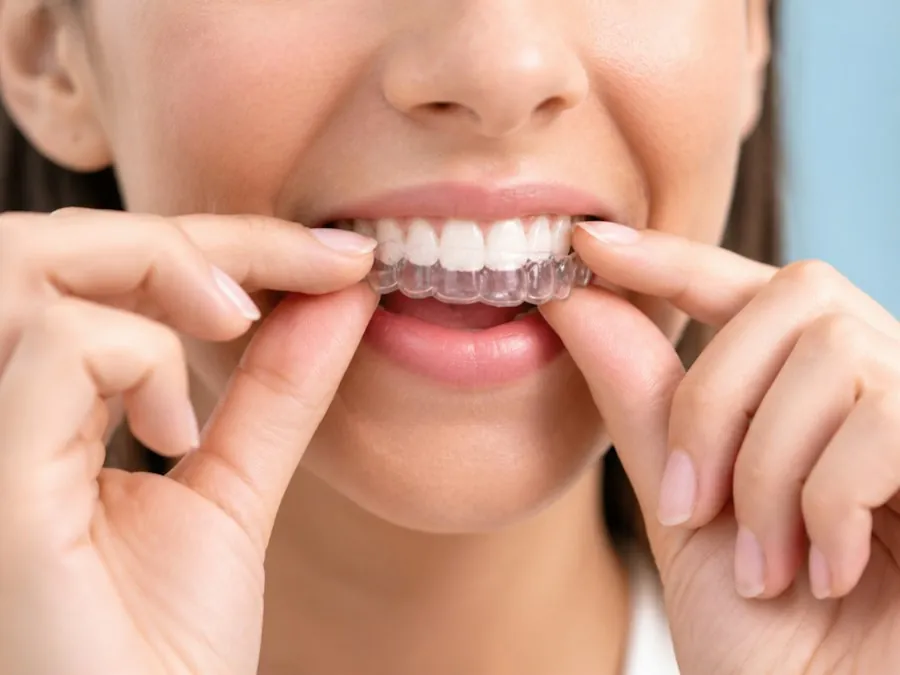
Braces use brackets and wires to gently guide teeth over time. Clear aligners are removable, nearly invisible trays that do something similar in a series of steps. Retainers hold teeth in their new positions after treatment.
An orthodontist is a dental specialist with additional training in moving teeth and guiding jaw growth. Many general dentists also offer some forms of alignment care. Which option fits a person is something a licensed dentist decides after an exam.
How it’s traditionally been approached
Metal braces have been the classic approach for generations, and they are still widely used. Today's versions come in smaller, more comfortable styles, and some are tooth-colored or placed behind the teeth.
Clear aligners became popular more recently, especially with adults and teens who want a less noticeable option. They are removed for eating and cleaning, so they rely on the wearer using them as directed. Some people also look at direct-to-consumer aligners; these can be described fairly as a convenient option, though a dental exam first is wise to check gum and tooth health.
For children, orthodontists have traditionally watched jaw and tooth development over time, sometimes starting care early and sometimes waiting. After active treatment, retainers have long been used to help keep teeth where they've moved. The length of treatment varies by person and case.
How the right dentist may help
A first visit is usually relaxed and focused on getting to know you. Expect a conversation about your goals, a look at your teeth, gums and bite, and possibly photos or X-rays. Nobody will judge the state of your teeth, and many people feel nervous beforehand.
The right dentist or orthodontist may explain which options could suit your situation, what each involves day to day, and how long treatment might take for you. They may also check that your teeth and gums are healthy before any alignment begins.
Helpful questions to ask: What are my options and the pros and cons of each? Who will oversee my care? What is expected of me, including retainer wear? Can I have a written treatment plan and estimate? Costs vary by practice, location and case, so asking about payment options early can ease worry.

The whole-person view
Your smile, your bite and how you feel about yourself are connected. Jaw tension, stress and habits like clenching can affect the mouth, while comfort with your smile can affect confidence and mood. Body, mind and stress all influence each other.
If dental anxiety or tension is part of your story, support can help. Somatic Experiences offers body-based support for stress held in the body, and Therapists.plus connects people with talk therapy. These are complements to dental care, not replacements for it.
Somatic Experiences: nervous system regulation →Therapists.plus: anxiety panic and ocd →
Keep in mind
- Tuung is educational only and does not give dental or medical advice; only a licensed dentist can evaluate you and recommend care.
- Facial or neck swelling with fever, trouble breathing or swallowing, uncontrolled bleeding, or a serious face or jaw injury is a medical emergency: call 911 or go to the ER.
- A knocked-out adult tooth needs a dentist right away, and pain, swelling or signs of infection should be checked promptly.
- Ask for a written treatment plan and estimate, since costs vary by practice, location and case.
Guides in this topic
Dentist types
Frequently asked questions
What is the difference between an orthodontist and a dentist?
A dentist (DDS or DMD) provides general oral care such as exams, cleanings and fillings. An orthodontist is a dental specialist with additional training in aligning teeth and jaws. Some general dentists also offer alignment options, so it's fine to ask about their experience.
How do I find an orthodontist near me?
Start by searching for licensed providers in your area and checking that they are licensed by your state dental board. Many offices offer a first consultation where you can ask questions and see if you feel comfortable. Tuung can help you find independent dentists nearby.
What age should a child see an orthodontist?
Many families have a child's bite and tooth development checked by a dentist or orthodontist during the elementary years, and a regular dentist can point out when a specialist visit makes sense. Each child develops differently, so the right timing is a decision for a licensed dentist after an exam.
Are braces for adults common?
Yes, braces for adults are a common option, and adults of many ages choose alignment care. A dentist will first check that teeth and gums are healthy. Options may include traditional braces, tooth-colored braces or clear aligners.
How do clear aligners compare with braces?
Clear aligners are removable and less noticeable, while braces are fixed in place and work around the clock. Which one fits depends on your teeth, bite and lifestyle, so clear aligners vs braces is a good question for a licensed dentist after an exam.
How long do braces take, and do I need a retainer afterward?
How long braces take varies from person to person and case to case, so your dentist or orthodontist can give you an estimate after an exam. Retainers after braces are commonly recommended to help hold teeth in place, and your provider will explain how to wear and care for yours.
Educational resource. Tuung shares general information and connects people with independent dentists. It is not medical advice, diagnosis or treatment. Talk with a licensed professional about your health.