What it is
An orthodontist is a dental specialist with additional training in how teeth and jaws grow and line up. Orthodontists may help with crowded teeth, gaps, bite differences and jaw growth, using tools like braces, clear aligners and other appliances.
A first orthodontic visit is often called an early evaluation or screening. It is mainly a look-and-learn appointment. Many families hear about this check-up around age 7, because by then a mix of baby and adult teeth is usually coming in, which gives a helpful picture of how things are developing.
Your child does not need to have a problem to go. Many children are told to simply come back for periodic check-ups, and some are told that treatment will make sense later, in the teen years. Every child grows on their own schedule, so only an exam can say what applies to your child.
How it’s traditionally been approached
Traditionally, orthodontic care has been divided into stages. Early (sometimes called interceptive or Phase 1) care happens while a child still has many baby teeth. Comprehensive care, such as braces or aligners, has more often happened once most adult teeth have come in, commonly in the early teen years.
Not every child needs early care. Some families wait and watch while the dentist monitors growth, and some children go on to have just one round of treatment later. Others may have a plan that includes more than one stage. These choices depend on the individual child and the clinician's evaluation.
Family dentists and pediatric dentists often spot early signs during regular check-ups and may refer to an orthodontist. Many orthodontists also welcome families without a referral, though requirements can vary by practice and by dental plan, so it is fine to call and ask.
How the right dentist may help
The right orthodontist or dentist may help by taking a calm, careful look at your child's teeth, bite and jaw growth, and by explaining what they see in words that make sense. A first visit is often relaxed. It may include a conversation about health history, a look at the teeth and bite, and sometimes photos or X-rays if the clinician feels they are useful.
Good questions to bring: Is there anything you would treat now, or can we watch and wait? What would happen if we waited? How often should my child be seen? What are the options, including braces and clear aligners, and what are the pros and cons of each for my child? Does habit-related care, like thumb sucking or mouth breathing, come into the picture?
Costs vary by practice, location and case, so it is reasonable to ask for a written treatment plan and estimate before agreeing to anything, and to ask what your dental plan may cover. A good practice will welcome these questions. If your child feels nervous, tell the team ahead of time. Many are happy to go slowly and make the visit gentle.

The whole-person view
Teeth, jaws, breathing, sleep and stress are all connected, and children are whole people. A child who feels worried about how their smile looks, or who feels anxious about appointments, may carry that tension in their body, such as a clenched jaw or tight shoulders. Kind words, patience and plenty of explanation can make dental visits feel safer.
If dental fear or body tension is a big part of your family's experience, some people explore body-based support such as Somatic Experiences. If worries or self-image feelings weigh on a child or parent, talk therapy through Therapists.plus is one place to look. These are options to consider alongside regular dental care, never replacements for it.
Somatic Experiences: nervous system regulation →Therapists.plus: anxiety panic and ocd →
Keep in mind
- Tuung is educational only and does not give dental or medical advice; only a licensed dentist or orthodontist can evaluate your child and recommend care.
- There is no single perfect age for every child, and a first visit does not mean treatment is needed.
- Facial or neck swelling with fever, trouble breathing or swallowing, uncontrolled bleeding, or a serious face or jaw injury is a medical emergency, so call 911 or go to the ER. A knocked-out adult tooth needs a dentist right away.
- Ongoing tooth pain or swelling should be checked promptly by a dentist. Your child does not need to wait for an orthodontic visit to get that care.
Not sure where to start? Answer a few gentle questions and choose who you’d like to hear from.
Frequently asked questions
What age should a child see an orthodontist?
Many orthodontists suggest a first check-up around age 7. That is when a mix of baby and adult teeth is usually present, which helps show how the bite is developing. Your family dentist can also tell you if an earlier or later visit makes sense for your child.
Does my child need a referral to see an orthodontist?
Often no, though it depends on the practice and sometimes on your dental plan. Many orthodontists accept families who call directly. Ask the office when you schedule, and ask your insurer if you have questions about coverage.
Will my child need braces if they go at age 7?
Not necessarily. An early visit is mostly about evaluating and watching growth. Some children are told to come back for check-ups, some may start early care, and many begin treatment later. Only an exam can show what fits your child.
What happens at a first orthodontic visit for a child?
It is usually a gentle, talk-and-look appointment. The clinician may review health history, examine teeth, bite and jaw, and sometimes take photos or X-rays. They should explain what they see and answer your questions before anything is planned.
Are clear aligners an option for kids?
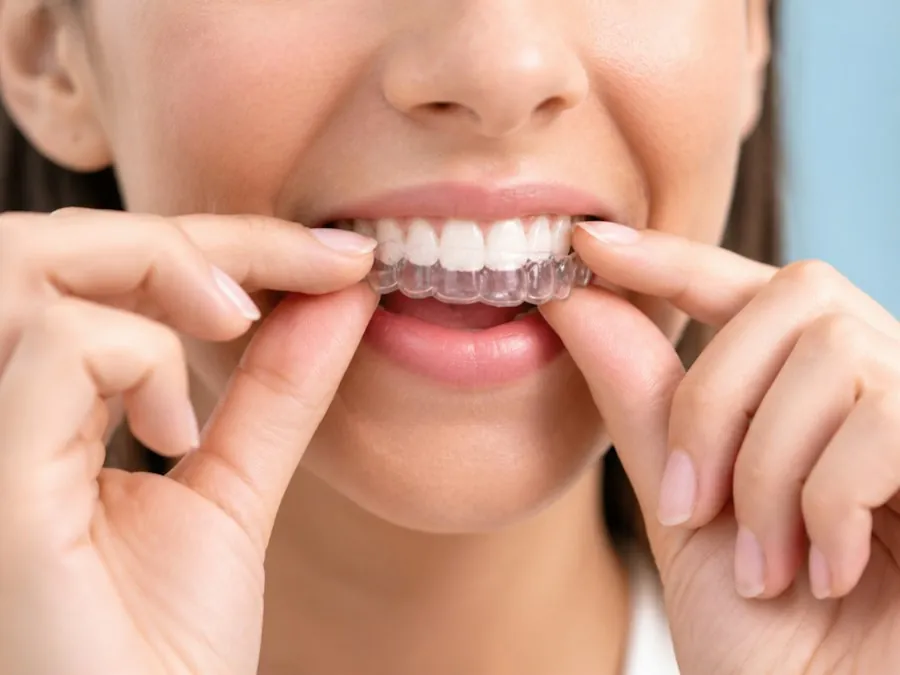
Sometimes, depending on the child's teeth, age and how many adult teeth have come in. Braces and aligners each have pros and cons. Ask the orthodontist which options may suit your child, and have an exam before starting any aligner product, including direct-to-consumer ones.
How much does a child's orthodontic visit or treatment cost?
Costs vary by practice, location and case, so there is no one answer. Ask the office whether the first visit has a fee, and request a written treatment plan and estimate. It is also fine to ask about payment options and what your dental plan may cover.
Educational resource. Tuung shares general information and connects people with independent dentists. It is not medical advice, diagnosis or treatment. Talk with a licensed professional about your health.