What it is
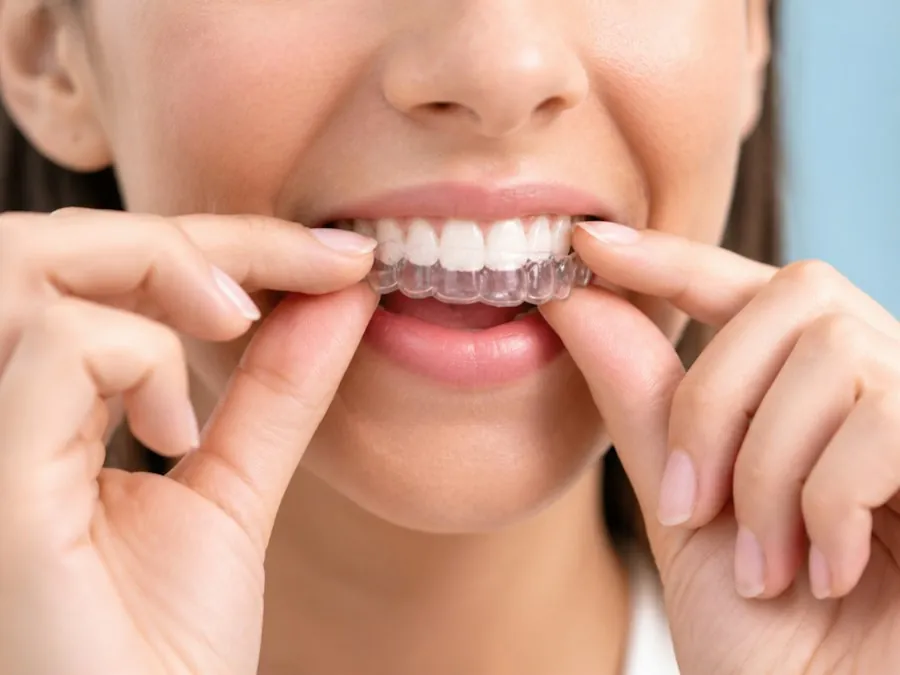
Braces are dental appliances that apply gentle, steady pressure to guide teeth into new positions over time. They usually include small brackets attached to the teeth and a wire that connects them. Some people use clear aligners instead, which are removable trays that work in a series.
The length of treatment is the time from when braces are placed until the teeth have moved to the planned positions. After that, most people move into a retainer phase to help keep teeth where they are. Your provider can explain how they think about both stages.
Timelines differ because every mouth is different. Things that may play a role include how much movement is needed, the type of appliance, age, the health of the teeth and gums, and how closely the care plan is followed. A dental exam is the way to learn what applies to you.
How it’s traditionally been approached
Traditionally, braces have been a project measured in months to years rather than weeks. Orthodontists often review progress at regular visits and adjust the plan as teeth respond. Because bodies respond differently, timelines are usually described as estimates rather than guarantees.
Metal braces have long been the familiar option, and ceramic (tooth-colored) braces and braces placed behind the teeth are also available in some practices. Clear aligners have become a popular alternative for some cases. Each approach has its own strengths, and the right fit depends on the individual.
Dentists and orthodontists have also traditionally looked at the whole picture, including jaw growth, bite, and habits such as clenching or thumb sucking. Some cases involve other steps, like spacers, expanders, or extractions, which can affect the schedule. These decisions are made by a licensed clinician after an evaluation.
How the right dentist may help
The right dentist or orthodontist may help by examining your teeth and bite, taking records such as photos, X-rays, or digital scans, and talking through what they see. Many people are surprised by how much of the first visit is simply conversation. You can ask as many questions as you like, and it is perfectly normal to feel nervous.
Helpful questions to ask include: What is your estimated timeline, and what could make it longer or shorter? How often will I need visits? What will I need to do at home, such as wearing elastics, wearing aligners as directed, or cleaning carefully? What happens after the braces come off, and how long will I wear a retainer?
It is also wise to ask for a written treatment plan and estimate. Costs vary by practice, location and case, so it is fine to ask about payment options and what is included. If you are considering direct-to-consumer aligners, a dental exam first is a smart step so any gum or tooth concerns are checked before teeth are moved.

The whole-person view
Your body, mind and stress all influence each other, and that includes your experience with braces. Feeling anxious about appointments, soreness, or how you will look can make the process feel longer. Habits like clenching or grinding, which stress can worsen, are also worth mentioning to your dental provider.
If stress or dental worry is weighing on you, some people find body-based support such as Somatic Experiences helpful for building comfort with tension. Others prefer talk therapy, such as through Therapists.plus. Neither replaces dental care, and either may be a supportive addition if it feels right to you.
Somatic Experiences: nervous system regulation →Therapists.plus: anxiety panic and ocd →
Keep in mind
- Only a licensed dentist or orthodontist can evaluate your teeth and give you a timeline estimate. Tuung is educational only and does not provide dental or medical advice.
- Timelines are estimates, and many things can change them. Following your provider's instructions and attending visits may help treatment stay on track.
- Facial or neck swelling with fever, trouble breathing or swallowing, uncontrolled bleeding, or a serious face or jaw injury is a medical emergency. Call 911 or go to the ER. A knocked-out adult tooth needs a dentist right away.
- If you are in emotional distress or crisis, call or text 988 to reach the 988 Lifeline.
Not sure where to start? Answer a few gentle questions and choose who you’d like to hear from.
Frequently asked questions
How long do braces take on average?
There is no single answer, because treatment time depends on the individual. A licensed dentist or orthodontist can give you an estimate after examining your teeth and bite. Many people ask for the estimate in writing along with the treatment plan.
What makes braces take longer?
Several things may lengthen treatment, such as the amount of movement needed, a complex bite, missed appointments, or not wearing elastics or aligners as directed. Broken brackets can also slow progress. Your provider can explain which factors apply to you.
Can braces be finished faster?
Sometimes a provider may suggest options that could shorten treatment, but whether that is appropriate depends on your case. Following care instructions closely often helps. Ask your orthodontist what is realistic for you rather than expecting a guarantee.
Do clear aligners take less time than braces?
Not necessarily. Clear aligners may be faster for some cases and slower for others, and they depend on being worn as directed. A dental exam can help you and your provider decide which approach may suit your goals.
How long do you wear a retainer after braces?
Retainer plans vary, so your provider will tell you what they recommend for you. Many people wear retainers for a long time to help keep teeth in position. Ask about the schedule and how to care for your retainer.
How often are appointments during braces?
Visit frequency varies by practice and by the type of appliance. Your orthodontist will explain the schedule during your consultation. It is a good question to ask so you can plan around school or work.
Educational resource. Tuung shares general information and connects people with independent dentists. It is not medical advice, diagnosis or treatment. Talk with a licensed professional about your health.