What it is
Kids & family dentistry covers the care of teeth, gums and mouths from the first baby tooth through the teen years. It includes checkups, cleanings, preventive care, and guidance for parents on brushing, eating and everyday habits.
A pediatric dentist is a dentist (DDS or DMD) who completed additional training in a dental specialty focused on children, including those with special health care needs. A family dentist is a licensed general dentist who welcomes patients of many ages, often in the same practice.
Baby teeth matter even though they eventually fall out. They help children chew, speak and smile, and they hold space for the adult teeth coming in later. Starting good habits early can make dental visits feel familiar and easy.
How it’s traditionally been approached
Children's dental care has traditionally centered on prevention: regular checkups, professional cleanings, and daily brushing at home with help from a parent or caregiver. Dentists often talk with families about snacks, drinks, and bedtime routines too.
Fluoride and dental sealants are two commonly discussed preventive tools. Fluoride is a mineral found in many toothpastes and some community water supplies, and dentists may also apply it in the office. Sealants are thin protective coatings that a dentist may place on the chewing surfaces of back teeth.
Many dental groups have long encouraged families to schedule a first visit around the time the first tooth appears or by a child's first birthday. Babies often get their first tooth somewhere in the first year or so, but every child develops on their own timeline, and a dentist can talk through what is typical.
How the right dentist may help
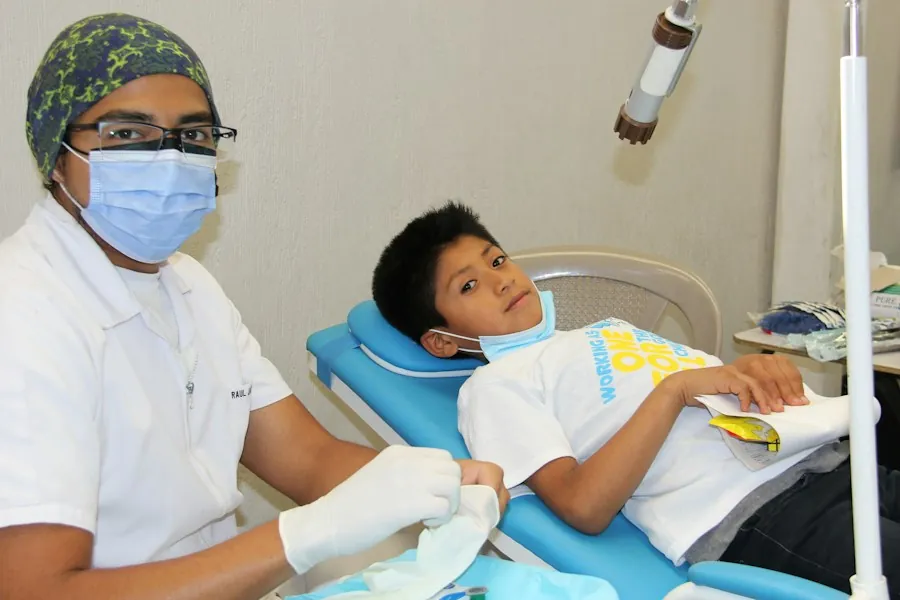
The right dentist may help children feel comfortable and help parents feel confident. A first visit is often short and gentle. The dentist may look at the teeth, gums and bite, talk about brushing and feeding habits, and answer your questions. Some visits are mostly about getting to know the office.
Depending on the child and what the dentist finds, a visit may include a cleaning, a conversation about fluoride, or a discussion of whether sealants might be a good fit. Only a licensed dentist can decide what is appropriate after an exam, and it's okay to ask them to explain it in everyday language.
Helpful questions to ask: How should we brush at this age? Is fluoride right for my child, and in what form? Would sealants make sense? How do you help nervous kids feel at ease? What should we do if there is a dental injury or pain? Ask for a written treatment plan and estimate if any care is recommended, since costs vary by practice, location and case.

The whole-person view
Mouths are part of the whole child. Sleep, nutrition, stress, comfort and emotions all affect each other, and a child who feels safe is often more relaxed in the dental chair. Parents' own feelings about the dentist can also be picked up by kids, so a calm, positive tone can help.
If dental fear is big for your child or for you, support is available. Somatic Experiences offers body-based support for feeling safer and more settled, and Therapists.plus can connect people with talk therapy for worries and anxiety. A friendly, patient dentist can be a great partner too.
Somatic Experiences: nervous system regulation →Therapists.plus: anxiety panic and ocd →
Keep in mind
- Tuung is educational only and is not dental or medical advice; a licensed dentist must examine your child before deciding on any care.
- Facial or neck swelling with fever, trouble breathing or swallowing, uncontrolled bleeding, or a serious face or jaw injury is a medical emergency: call 911 or go to the ER.
- If an adult (permanent) tooth is knocked out, see a dentist right away. Tooth pain, swelling or signs of infection also deserve prompt attention from a dentist.
- No one should feel shame about their child's teeth, dental anxiety or cost worries. Ask the practice about options, and request a written estimate. If you or your child is in emotional crisis, call or text 988.
Guides in this topic
Dentist types
Pediatric dentistry
first dental visits · children's cleanings · sealants and fluoride · kid-friendly sedation
General & preventive dentistry (cleanings & exams)
dental cleanings · checkups and exams · dental X-rays · fluoride and sealants · oral cancer screening
Orthodontics & braces
metal braces · ceramic braces · lingual braces · retainers · early (phase 1) orthodontics
Frequently asked questions
What does a pediatric dentist do?
A pediatric dentist is a dentist with additional training in caring for babies, children and teens. They provide checkups, cleanings and preventive care, and they are used to working with young patients, including those who are nervous. Your child's dentist can explain what care, if any, is appropriate after an exam.
When should my child's first dental visit be?
Many dental groups suggest a child's first dental visit around the time the first tooth appears or by the first birthday. Early visits are usually brief and focus on getting comfortable and answering parents' questions. Your dentist can advise what timing fits your child.
When do babies get teeth?
Babies typically get their first tooth sometime during the first year or so, but the timing varies widely and can be normal either earlier or later. Teething can feel different for every baby. If you have questions about your baby's teeth, a dentist or your child's doctor can help.
What are dental sealants for kids?
Dental sealants are thin protective coatings that a dentist may place on the chewing surfaces of back teeth, where food and germs can collect in grooves. Whether they make sense depends on your child's teeth, which a dentist decides after an exam. Ask about the process and what to expect.
Is fluoride safe for kids?
Fluoride is a mineral widely used in toothpaste and in some community water, and dentists commonly discuss it as part of kids' preventive care. The right amount and form depend on a child's age and situation, so ask your dentist what they recommend for your child. Toothpaste products have their own regulatory labeling, so follow label directions and your dentist's guidance.
How do I brush a toddler's teeth?
Brush a toddler's teeth yourself, using a soft child-size brush and the toothpaste type and amount your dentist or pediatrician recommends. Make it calm and playful, and brush as part of a steady daily routine, such as before bed. Your dentist can show you techniques that work well for your child's age and comfort.
Educational resource. Tuung shares general information and connects people with independent dentists. It is not medical advice, diagnosis or treatment. Talk with a licensed professional about your health.