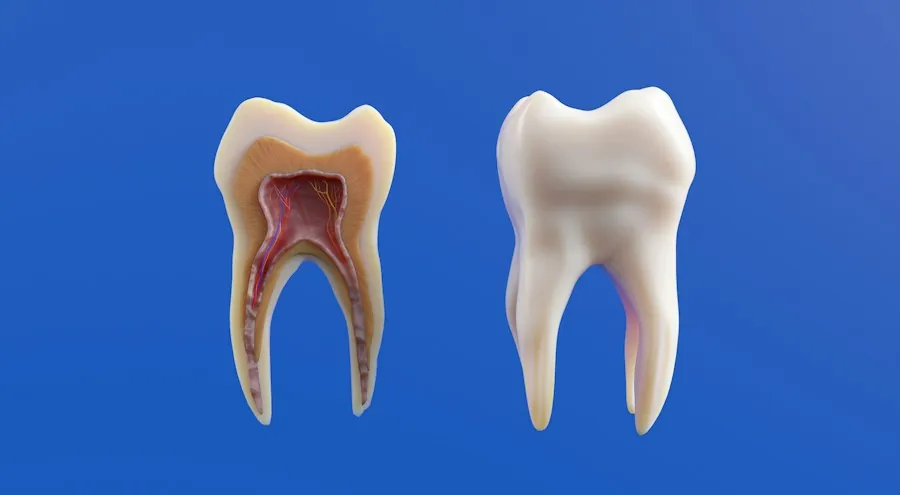
What it is
A root canal (also called endodontic treatment) is a procedure that deals with the soft inner part of a tooth, called the pulp, when it becomes inflamed or infected. The goal is generally to keep your natural tooth rather than lose it. Many people search "does a root canal hurt" because they feel nervous, and that is completely understandable.
Gum health is a second focus of this silo. Gum disease starts when bacteria build up along and under the gumline and irritate the tissue that holds teeth in place. Common signs people notice include red or puffy gums, bleeding when brushing, or persistent bad breath, but only a dental exam can tell what is actually going on. Deep cleaning, often called scaling and root planing, is one approach dentists use to clean below the gumline.
The third focus is the jaw and the way you bite, chew and sleep. TMJ refers to the temporomandibular joints, which connect your lower jaw to your skull, and "TMJ treatment" is the phrase people use when jaw pain or clicking bothers them. Teeth grinding (bruxism) and snoring or sleep apnea can also involve the mouth and jaw. A night guard is often discussed for grinding, and an oral appliance may be an option for some people with sleep apnea.
How it’s traditionally been approached
Traditionally, when a tooth's nerve is badly inflamed or infected, the choices have been to treat the inside of the tooth, often with a root canal followed by a restoration such as a crown, or to remove the tooth. People often search "root canal vs extraction" because both are real options with different trade-offs. A dentist or an endodontist, a specialist in this area, can explain what applies to a particular tooth after an exam and X-rays.
Gum concerns have usually been approached in stages. Regular professional cleanings and good home care come first, and when buildup extends below the gums, a deeper cleaning may be recommended. Periodontists are dental specialists with extra training in gum conditions and may be involved in more advanced cases. Dentists and hygienists work together here, with hygienists cleaning teeth under their state's rules.
Jaw and sleep concerns have often been handled with a mix of careful evaluation, simple self-care habits and custom-made dental devices. For grinding, a dentist may talk about a custom night guard. For sleep apnea, a physician makes the diagnosis, and a dentist may then provide an oral appliance if it is appropriate. For TMJ symptoms, dentists often look at the bite, muscles and joints, and may suggest working with other providers as well.
How the right dentist may help
The right dentist may help by listening first. A typical visit often includes questions about your symptoms and history, a look at your teeth, gums and jaw, and X-rays when needed. Nobody should be shamed for how long it has been or how their teeth look, and good dentists know many patients feel anxious. It is fine to say so at the start.
You can ask questions that make the process clearer. For example: What do you see, and what are my options? What happens if I wait? What will the procedure feel like, and how will my comfort be managed? Are there specialists you would suggest? Is sedation available, and does your state board permit you to offer it? Sedation is given only by dentists permitted by their state dental board.
Before agreeing to anything, ask for a written treatment plan and estimate. Costs vary by practice, location and case, so it is reasonable to ask about timing, payment options and how insurance may apply. A second opinion is also a normal and respectful request. For sleep apnea, remember that a physician diagnoses it, and a dentist may work with your doctor on an oral appliance.

The whole-person view
Your mouth is part of your whole body, and body, mind and stress affect each other. Stress can show up as clenched jaws, grinding at night or tight facial muscles, and poor sleep can in turn make stress feel heavier. Dental fear can also make people put off care, which is a very human response and nothing to be embarrassed about.
Some people find that body-based support, such as the approaches offered through Somatic Experiences, helps them notice and ease tension. Others find that talking with a licensed professional through Therapists.plus helps with dental anxiety or stress. These are complementary options that sit alongside, not in place of, an exam by a licensed dentist.
Somatic Experiences: nervous system regulation →Therapists.plus: sleep focus and habits →
Keep in mind
- This page is educational only and is not dental or medical advice; only a licensed dentist can examine you and recommend what is appropriate.
- Facial or neck swelling with fever, trouble breathing or swallowing, uncontrolled bleeding, or a serious face or jaw injury is a medical emergency, so call 911 or go to the ER. A knocked-out adult tooth needs a dentist right away.
- Tooth pain, swelling, a bad taste or a pimple-like bump on the gums can signal infection, so please see a dentist promptly rather than waiting.
- If stress or worry ever feels overwhelming, you can call or text the 988 Lifeline at any time.
Guides in this topic
Dentist types
Root canals (endodontics)
root canal treatment · root canal retreatment · endodontic surgery (apicoectomy)
Gum disease (periodontics)
scaling and root planing (deep cleaning) · periodontal maintenance · gum grafts · periodontal surgery
TMJ & bite problems
TMJ evaluation · night guards and splints · bite adjustment · teeth grinding (bruxism) care
Sleep apnea oral appliances
oral appliance therapy · mandibular advancement devices · snoring appliances
Frequently asked questions
Does a root canal hurt?
Most people are numbed with local anesthetic, so the procedure itself is generally meant to be comfortable, though experiences vary. Some soreness afterward can happen, and your dentist can explain what to expect and how to manage it. Tell your dentist about any nervousness ahead of time so they can plan for your comfort.
What is a root canal and why might I need one?
A root canal is a procedure that treats the inside of a tooth when its pulp is inflamed or infected, with the aim of saving the tooth. Only a dentist can tell you whether it applies to you after an exam and X-rays. Ask about all of your options and what each involves.
Root canal vs extraction: which is better?
There is no single answer, because it depends on the tooth, your overall health and your goals. Saving a natural tooth is often preferred when possible, while extraction may be discussed in other situations and may involve replacing the tooth afterward. Ask your dentist or an endodontist to walk you through both choices in writing.
What are the signs of gum disease?
Common signs include red, swollen or tender gums, bleeding when you brush or floss, persistent bad breath, and gums that look like they are pulling back. These can have other causes too, so a dental exam is the way to find out what is happening. Early attention often gives you more options.
What is deep cleaning, or scaling and root planing?
Scaling and root planing is a deeper cleaning that removes buildup from below the gumline and smooths the root surfaces. A dentist or hygienist may suggest it when an exam shows buildup under the gums. Ask what to expect, how comfort is handled and what the estimate looks like.
Can a night guard help with teeth grinding or TMJ?
A custom night guard is a common option dentists discuss for teeth grinding, and it may help protect teeth from wear for some people. It does not necessarily stop the grinding itself, and TMJ symptoms can have several causes. A dentist can evaluate your jaw and bite and tell you whether a guard makes sense. For sleep apnea, a physician diagnoses it and a dentist may provide an oral appliance.
Educational resource. Tuung shares general information and connects people with independent dentists. It is not medical advice, diagnosis or treatment. Talk with a licensed professional about your health.