What it is
A general dentist (DDS or DMD) is licensed by their state dental board to care for the overall health of your teeth, gums and mouth. Many people see a general dentist for checkups, cleanings, fillings and other everyday dental care.
An orthodontist is a dental specialist. They first become a dentist and then complete additional training focused on how teeth and jaws grow, and how teeth move. Their work centers on bite alignment and tooth position, often using braces, clear aligners or other appliances.
So the short answer: every orthodontist is a dentist, but not every dentist is an orthodontist. Some general dentists also offer braces or clear aligners as part of their practice, depending on their training and what their state allows. It is perfectly fine to ask any provider about their training and experience.
How it’s traditionally been approached
Traditionally, a general dentist has been the first stop for regular care. Dentists often notice early signs that teeth are crowded, spaced out or not meeting well, and may mention a specialist if they think it is worth a closer look.
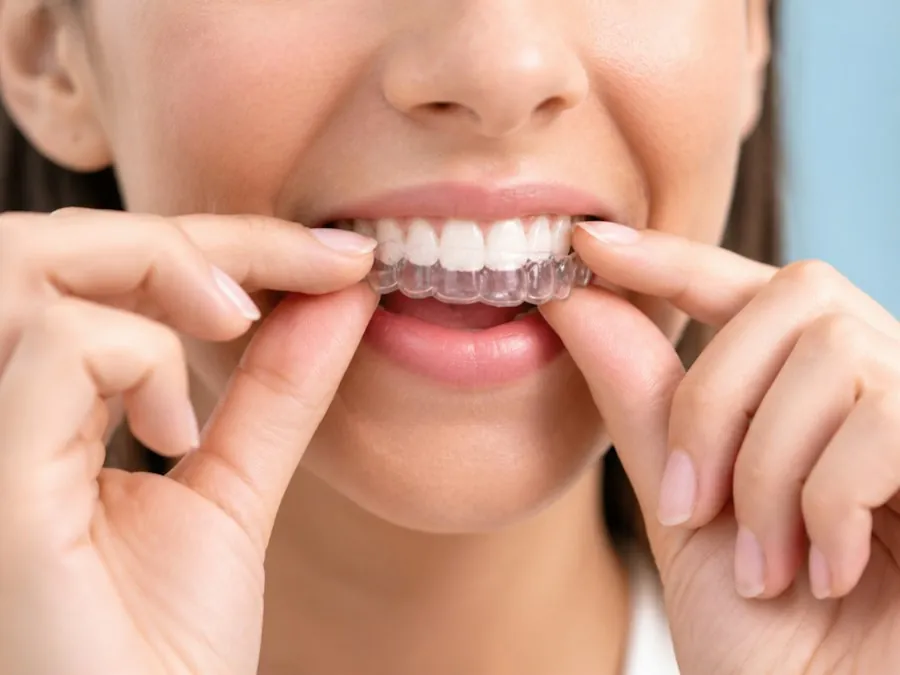
Orthodontists have traditionally been the specialists for moving teeth and guiding jaw development. Braces with brackets and wires are the classic approach, and clear aligners have become a widely known option for many people as well.
Many families see both over time. The general dentist often keeps up regular cleanings and exams, while the orthodontist focuses on alignment during treatment. The two may share information so your care fits together. Some people also explore direct-to-consumer aligners, and a dental exam first is a wise step so your teeth and gums are checked before any teeth are moved.
How the right dentist may help
The right provider may help you sort out which kind of care fits your goals. A first visit is usually a friendly conversation: they may look at your teeth and bite, ask about your health and what you'd like to change, and possibly take photos or X-rays. Only a licensed dentist or orthodontist can decide what is appropriate for you after an exam.
If you're nervous, that is very common, and you are welcome to say so. A good office will explain each step in plain English and let you ask questions along the way. There is no shame in the current state of your teeth, and no need to have everything figured out before you walk in.
Helpful questions to ask: Are you a general dentist or an orthodontist, and what is your training? What options might fit my situation? How long might care take, and what would be expected of me? What would a written treatment plan and estimate look like? Costs vary by practice, location and case, so asking for the details in writing can help you compare.

The whole-person view
Your mouth is part of your whole body, and how you feel about your smile, your stress level and your physical comfort can all influence each other. Jaw tension, teeth grinding and dental worry are often tied to stress, and a visit that feels calm can support both your body and your mind.
If dental anxiety or stress feels big, body-based support such as Somatic Experiences may help some people feel more settled, and talk therapy through Therapists.plus may help others work through fear or worry about appointments. These are optional supports that can sit alongside your dental care, never a replacement for it.
Somatic Experiences: nervous system regulation →Therapists.plus: anxiety panic and ocd →
Keep in mind
- Tuung is educational only and does not give dental or medical advice; only a licensed dentist can examine you and recommend what is right for you.
- Facial or neck swelling with fever, trouble breathing or swallowing, uncontrolled bleeding, or a serious face or jaw injury is a medical emergency: call 911 or go to the ER. A knocked-out adult tooth needs a dentist right away.
- Costs, timelines and results vary by practice, location and case, so ask for a written treatment plan and estimate before you begin.
- If you're in emotional distress, you can call or text 988 at any time for support.
Not sure where to start? Answer a few gentle questions and choose who you’d like to hear from.
Frequently asked questions
What is the difference between an orthodontist and a dentist?
An orthodontist is a dentist with additional specialty training in tooth alignment, bite and jaw growth, while a general dentist focuses on overall oral health such as exams, cleanings and fillings. Both are licensed professionals. Which one is a good fit depends on your needs, and an exam can help clarify that.
Is an orthodontist a dentist?
Yes, an orthodontist is a dentist who has completed extra specialty training after dental school. That is why you may hear that all orthodontists are dentists, but not all dentists are orthodontists.
Can a regular dentist put on braces or clear aligners?
Some general dentists do offer braces or clear aligners, depending on their training and what their state dental board allows. It is fine to ask any dentist about their experience with these treatments. You can also ask whether they would involve an orthodontist for more complex cases.
Do I need a referral to see an orthodontist?
Often you do not, because many orthodontists accept patients who book on their own, but some insurance plans or offices have their own rules. Check with the orthodontist's office and your plan. Your general dentist can also suggest someone if you'd like a recommendation.
Should I see a dentist before getting braces or clear aligners?
Seeing a dentist for an exam first is a wise step, because healthy teeth and gums are important before moving teeth. This applies to braces, in-office aligners and direct-to-consumer aligners alike. A licensed dentist can tell you whether anything needs attention first.
How much does an orthodontist cost compared to a dentist?
Costs vary by practice, location and case, so there is no single answer. The best approach is to ask for a written treatment plan and estimate, and to ask what is and isn't included. Many offices will talk through payment questions with you openly.
Educational resource. Tuung shares general information and connects people with independent dentists. It is not medical advice, diagnosis or treatment. Talk with a licensed professional about your health.