What it is
Braces for adults are orthodontic appliances that apply gentle, steady pressure to move teeth into new positions over time. They are built on the same basic idea as braces for teens, but adult care often takes into account things like gum health, past dental work, and a jaw that has finished growing.
People look into adult braces for many reasons: crowding, gaps, teeth that have shifted over the years, or a bite that doesn't meet comfortably. Some want a change they have thought about for a long time, and others are told by a dentist that alignment could make cleaning or chewing easier.
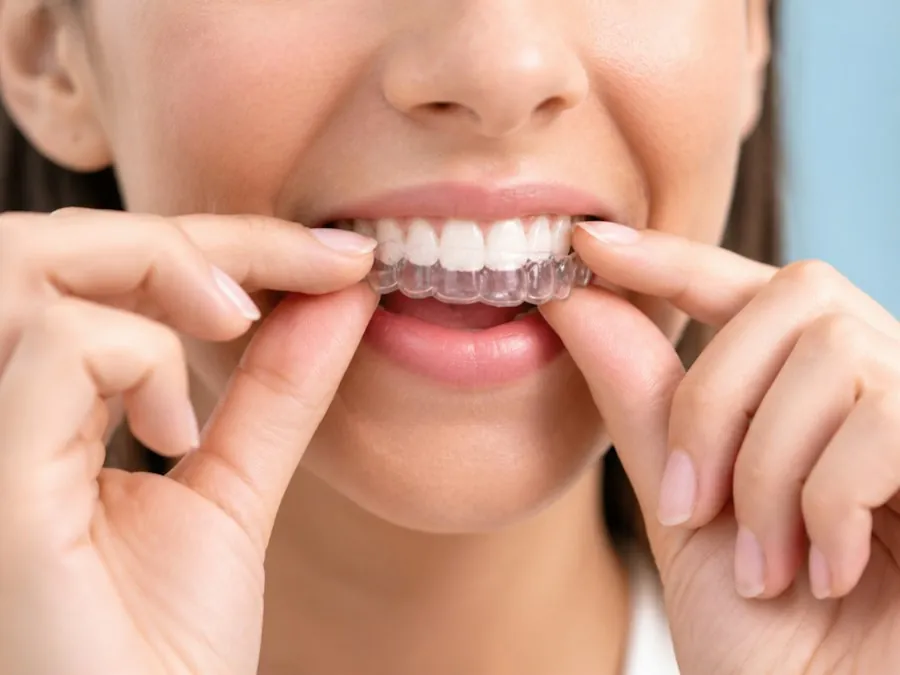
Adult options can include traditional metal braces, ceramic (tooth-colored) braces, braces placed behind the teeth, and clear aligners. Which of these fits a particular mouth is something only a licensed dentist or orthodontist can say after an exam.
How it’s traditionally been approached
Orthodontics has long been associated with teenage years, because growing jaws can respond differently. Even so, teeth can generally be moved at many ages as long as the teeth and supporting gums and bone are healthy, so adult treatment has become a familiar part of many practices.
Traditionally, braces use small brackets attached to the teeth and a wire that guides movement, with regular adjustment visits. Clear aligners are a newer approach that uses a series of removable, custom-shaped trays. Each approach has its own look, feel, and routine, and neither is better for everyone.
Orthodontists are dental specialists with additional training in moving teeth and guiding the bite. Many general dentists also offer braces or aligners. Some people explore direct-to-consumer aligners, which are shipped to the home. They can appeal for convenience, and a dental exam beforehand is a wise step to make sure your teeth and gums are healthy enough for movement.
How the right dentist may help
The right dentist or orthodontist may help by looking at your whole mouth first: teeth, gums, bite, jaw, and any existing fillings, crowns, or implants. This is often done with a visual exam and X-rays or scans, and it helps them explain what could be possible for you. A consultation is a chance to ask questions, not a commitment.
If treatment is a good fit, they may talk through the options, how they look, how they feel day to day, how often visits happen, and what care at home looks like. Many people find it reassuring to know that gum health, cleanings, and sometimes other dental work may be coordinated alongside alignment.
Helpful questions to ask: Who will be providing my care, a dentist or an orthodontist? What are my options and what are the pros and cons of each? What happens after the teeth are moved, and how are results kept in place? How long might this take for my situation? Can I have a written treatment plan and estimate? Costs vary by practice, location, and case, so asking about payment options up front is completely reasonable. Nervous about dental visits? Say so. Many teams are glad to go at your pace.

The whole-person view
Your teeth, jaw, and bite are part of the whole body, and how you feel about your smile is part of the picture too. Stress can show up as jaw clenching or teeth grinding, and a change in how your teeth fit may be felt in daily comfort, eating, or confidence. Body, mind, and stress all influence each other.
If tension in the body is on your mind, body-based support such as Somatic Experiences may be a helpful companion to dental care. If worries about appearance, dental anxiety, or big life changes are weighing on you, talk therapy through Therapists.plus is another option. Neither replaces a dental exam, and you deserve care without judgment.
Somatic Experiences: nervous system regulation →Therapists.plus: anxiety panic and ocd →
Keep in mind
- Tuung is educational only and does not give dental or medical advice; a licensed dentist or orthodontist must examine you before anyone can say what is right for you.
- Healthy gums and teeth matter before and during treatment, so a checkup and cleaning are a common first step. There is no shame in where your teeth are today.
- Facial or neck swelling with fever, trouble breathing or swallowing, uncontrolled bleeding, or a serious face or jaw injury is a medical emergency: call 911 or go to the ER. A knocked-out adult tooth needs a dentist right away.
- Ask for a written treatment plan and estimate, since costs and timelines vary by practice, location, and case. If you ever feel overwhelmed, in a crisis call or text 988.
Not sure where to start? Answer a few gentle questions and choose who you’d like to hear from.
Frequently asked questions
Are braces for adults a good idea?
Braces for adults can be a good fit for many people, but whether they suit you depends on an exam by a licensed dentist or orthodontist. They will look at your teeth, gums, bone, and bite. A consultation is a good way to learn your options without pressure.
Is there an age limit for braces for adults?
There is generally no set age limit for braces, as long as your teeth and gums are healthy enough for movement. A dentist or orthodontist can tell you if your mouth is ready. Many adults of different ages explore treatment.
What types of braces are available for adults?
Adults can often choose among metal braces, ceramic tooth-colored braces, braces placed behind the teeth, and clear aligners. Each differs in look, feel, and care routine. Your dentist or orthodontist can explain which may be worth considering for your situation.
Do adults need an orthodontist or can a regular dentist provide braces?
Either may be able to help, depending on the case and the provider's training. Orthodontists are dental specialists with additional training in tooth movement, and many general dentists also offer braces or aligners. It is fair to ask any provider about their experience with adult treatment.
How much do braces for adults cost?
Costs vary by practice, location, and case, so there is no one answer. Ask for a written treatment plan and estimate, and ask about payment options and what your insurance may or may not cover. A good office will be happy to walk you through it.
Are clear aligners the same as braces for adults?
Clear aligners are a different way to move teeth than traditional braces, using removable custom trays instead of brackets and wires. Some people prefer their look and flexibility, while others do better with fixed braces. A dental exam first is wise, whether aligners come from a dental office or are ordered directly, and a licensed dentist can discuss what may fit your needs.
Educational resource. Tuung shares general information and connects people with independent dentists. It is not medical advice, diagnosis or treatment. Talk with a licensed professional about your health.