What it is
Orthodontics is the part of dentistry that looks at how teeth bite together and how they sit in the jaws. People often come to it because of crooked teeth, gaps, crowding, or a bite that doesn't meet comfortably.
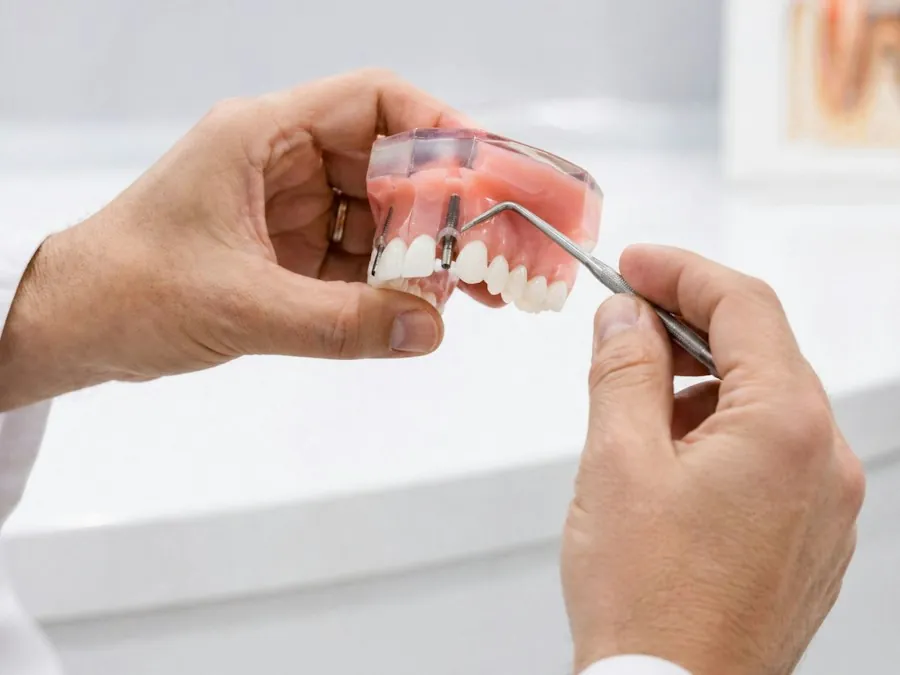
Braces are small attachments placed on the teeth and connected by wires, designed to guide teeth gradually over time. Common types include metal braces, ceramic (tooth-colored) braces, and lingual braces, which are placed on the backs of the teeth. Retainers are the removable or fixed devices often used afterward to help keep teeth in place.
Orthodontics isn't only for teens. Children may have an early (sometimes called phase 1) evaluation while baby and adult teeth are mixed, and many adults explore braces too. Orthodontists are dental specialists with additional training, and many general dentists also offer some orthodontic care, so it's okay to ask about each provider's training and experience.
How it’s traditionally been approached
Braces have long been a common way to address tooth alignment. Metal braces are the most familiar style, ceramic braces are designed to blend in more with the teeth, and lingual braces sit behind the teeth so they're less visible from the front.
Early (phase 1) orthodontics has traditionally been used in some children while they are still growing, with a goal of guiding jaw development or making room for teeth. Whether a child needs it at all is something a licensed dentist or orthodontist decides after an exam. Many children simply have their growth watched over time.
After active treatment, retainers have traditionally been used to help hold teeth in their new positions. Clear aligners are another option people ask about, including direct-to-consumer versions. They can work differently from braces and are worth discussing with a dentist, ideally starting with a dental exam first.
How the right dentist may help
The right dentist or orthodontist may help by looking at your teeth, gums, bite, and often X-rays or photos to understand what's going on. A first consultation is often a relaxed conversation, and you can ask questions at your own pace. There's no need to feel embarrassed about how your teeth look right now.
Helpful questions to ask include: What options might fit my situation, and what are the pros and cons of each? Who will be providing my care, and what is their training? What will I be expected to do, such as cleaning, diet, and wearing retainers? What should I do if a wire or bracket breaks?
It's also wise to ask for a written treatment plan and estimate. Costs vary by practice, location, and case, so ask what is included, how payment options work, and what to expect from your insurance. Your dentist may also check that your gums and teeth are healthy before starting.

The whole-person view
Teeth, jaws, and the rest of the body are connected. Jaw tension, clenching, and stress can show up in the mouth, and how we feel about our smile can affect confidence and mood. Nervousness about dental visits is very common, and a kind, patient provider can make a real difference.
If stress or tension feels like a big part of the picture, some people find support through body-based approaches such as those offered by Somatic Experiences. Others find talk therapy helpful, which you can explore through Therapists.plus. These are optional additions, never replacements for dental care from a licensed dentist.
Somatic Experiences: nervous system regulation →Therapists.plus: anxiety panic and ocd →
Keep in mind
- Tuung is educational only and is not dental or medical advice; only a licensed dentist can examine you and recommend what's appropriate.
- Braces need good daily cleaning, and wearing retainers as directed may matter for keeping results. Your provider can explain what applies to you.
- Facial or neck swelling with fever, trouble breathing or swallowing, uncontrolled bleeding, or a serious face or jaw injury is a medical emergency: call 911 or go to the ER. A knocked-out adult tooth needs a dentist right away.
- If you're feeling overwhelmed or in distress, you can call or text the 988 Lifeline at any time.
Dentists
We’re welcoming founding dentists for orthodontics & braces now. Get matched or list your practice.
Frequently asked questions
What is an orthodontist?
An orthodontist is a dental specialist with additional training in how teeth and jaws align and how to guide them. Orthodontists are dentists first, licensed by their state dental board. Some general dentists also offer orthodontic care, so it's fine to ask about training.
How do I find an orthodontist near me?
You can start by browsing independent dentists and specialists in the Tuung directory and checking each practice's training and services. Many offer a first consultation where you can ask questions. It's a good idea to confirm a provider's license with your state dental board.
At what age should my child see an orthodontist for braces?
There isn't one right age for every child, and only a licensed dentist or orthodontist can say what fits yours. Many families have an early evaluation when the dentist suggests it, and often children are just monitored as they grow. Ask your child's dentist what they recommend and why.
Are adult braces a real option?
Yes, many adults explore braces, and you're never too old to ask about it. A dentist will check that your teeth and gums are healthy and discuss options such as metal, ceramic, or lingual braces. Whether any of them suits you is decided after an exam.
What is the difference between metal, ceramic, and lingual braces?
Metal braces use metal brackets and wires, ceramic braces use tooth-colored brackets that blend in more, and lingual braces are placed on the backs of the teeth. Each has different looks, comfort, and care needs. A dentist can explain which options may be possible for you.
Do I need to wear a retainer after braces?
Retainers are commonly used after braces to help hold teeth in place, and your provider will explain what they recommend for you. Some are removable and some are fixed behind the teeth. Ask how long and how often to wear yours, and what to do if it's lost or broken.
Educational resource. Tuung shares general information and connects people with independent dentists. It is not medical advice, diagnosis or treatment. Talk with a licensed professional about your health.