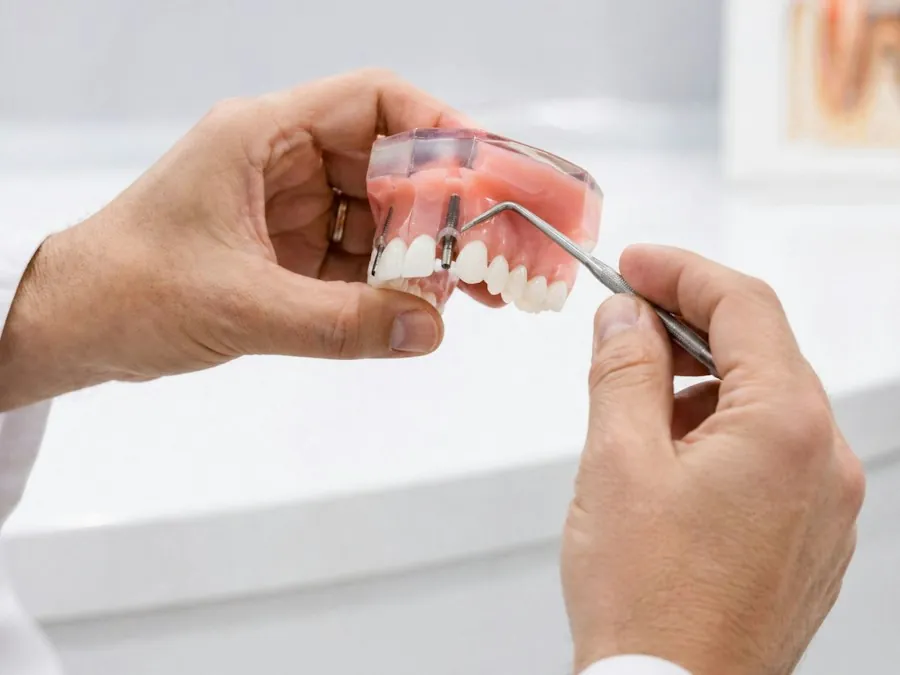
What it is
Clear aligners are a series of custom-made, clear plastic trays that fit over your teeth. Each tray is designed to apply gentle pressure, and the series is meant to guide teeth step by step toward a planned position. People often call them "invisible braces," and many know them by brand names such as Invisalign, which is simply a term people search for.
Unlike traditional braces, aligners are usually removable, so many people take them out to eat, brush and floss. They are typically worn for much of the day, and how well they work often depends on consistent wear and on whether the case is a good fit for aligners.
Aligner treatment can be offered in a dental office, with a dentist or orthodontist overseeing the plan. Some companies also offer direct-to-consumer aligners by mail. These are a different route, and a dental exam first is wise either way. After tooth movement, retainers are commonly used to help hold the new position.
How it’s traditionally been approached
For many years, metal or ceramic braces were the usual way to straighten teeth. Brackets and wires are fixed to the teeth, and an orthodontist adjusts them during regular visits. Braces remain a well-established approach and are often chosen for more complex situations.
Clear aligners became popular as digital scanning and computer planning improved. Instead of molds made with trays of putty, many offices now use a small camera-like scanner, and software can show a planned path for the teeth. Some people prefer this look and the ability to remove the trays.
Both approaches have their place, and neither is better for everyone. Dentists and orthodontists consider the bite, gums, jaw and goals of each person when discussing options. Retainers, whether removable or fixed behind the teeth, have traditionally been part of care after any type of tooth movement.
How the right dentist may help
The right dentist may help you understand whether clear aligners could be a reasonable option for you. A first visit generally includes a conversation about your goals, a look at your teeth and gums, and often X-rays or photos. Many offices also use a digital scan, and some can show a preview of how teeth might move.
Healthy gums and teeth are usually important before any tooth movement begins, so a dentist may talk with you about cavities, gum health or other items first. This is routine, and it is never a cause for embarrassment. If something needs attention, the dentist can explain the options in plain English.
Helpful questions to ask: Am I a good candidate for aligners, or might another approach fit better? Who oversees my care, a general dentist or an orthodontist? How often are check-ins? What happens if a tray gets lost? What retainer plan is recommended afterward? Costs vary by practice, location and case, so ask for a written treatment plan and estimate.

The whole-person view
Your smile touches more than appearance. Teeth, jaw, bite, sleep, stress and confidence all affect one another, and many people clench or grind their teeth when stressed. Feeling nervous about the dentist or about how your teeth look is very common, and a kind, patient office can make a real difference.
If dental worry or stress feels big, body-based support such as Somatic Experiences may be one gentle resource to explore, and talk therapy through Therapists.plus is another. These are optional ways some people care for the whole person alongside their dental care.
Somatic Experiences: nervous system regulation →Therapists.plus: anxiety panic and ocd →
Keep in mind
- Only a licensed dentist or orthodontist can decide whether clear aligners are appropriate after an exam; this page does not diagnose or recommend treatment.
- Results vary from person to person, and nothing is guaranteed. Wearing retainers as directed is commonly part of keeping a result.
- Mail-order and at-home aligner options exist, and a dental exam first is a wise step. Ask any provider about who supervises your care.
- Facial or neck swelling with fever, trouble breathing or swallowing, uncontrolled bleeding, or a serious face or jaw injury is a medical emergency: call 911 or go to the ER. A knocked-out adult tooth needs a dentist right away.
Brand names (e.g. Invisalign) only as the searched term people use; never imply the site or a dentist is endorsed by a brand.
Dentists
We’re welcoming founding dentists for clear aligners now. Get matched or list your practice.
Frequently asked questions
What are clear aligners?
Clear aligners are custom-made, clear plastic trays worn over the teeth to gently guide them into new positions over time. They are usually removable. A licensed dentist or orthodontist can tell you whether they may suit your situation.
Can I straighten my teeth without braces?
Many people can explore options such as clear aligners instead of traditional braces, but it depends on the individual. A dentist needs to examine your teeth, gums and bite first. Some situations may be better suited to other approaches, and an exam will help you understand your choices.
Are clear aligners the same as invisible braces?
Yes, "invisible braces" is a common everyday name for clear aligners. They are less noticeable than metal braces, though not literally invisible. Brand names like Invisalign are search terms people use, and Tuung does not endorse any brand.
Do I need a retainer after clear aligners?
Retainers are commonly recommended after aligners or braces to help hold teeth in their new positions. The type and wear schedule are decided by your dentist or orthodontist. Ask what plan they suggest for you and how to care for your retainer.
How do I find clear aligners near me?
Start by looking for a licensed dentist or orthodontist who offers in-office aligner treatment, and book a consultation. Ask who oversees your care, what the process looks like, and for a written treatment plan and estimate. Costs vary by practice, location and case.
Are at-home or mail-order aligners okay?
They are an option some people consider, and they work differently from in-office care. A dental exam first is wise so that your teeth and gums are healthy enough for tooth movement. Ask about who reviews your case and what support you would have along the way.
Educational resource. Tuung shares general information and connects people with independent dentists. It is not medical advice, diagnosis or treatment. Talk with a licensed professional about your health.