What it is
Preventive dental care means the everyday habits and regular visits that help keep teeth and gums healthy. At home, that usually includes brushing, cleaning between teeth, and caring for your tongue. In the dental office, it usually includes a professional teeth cleaning and a checkup.
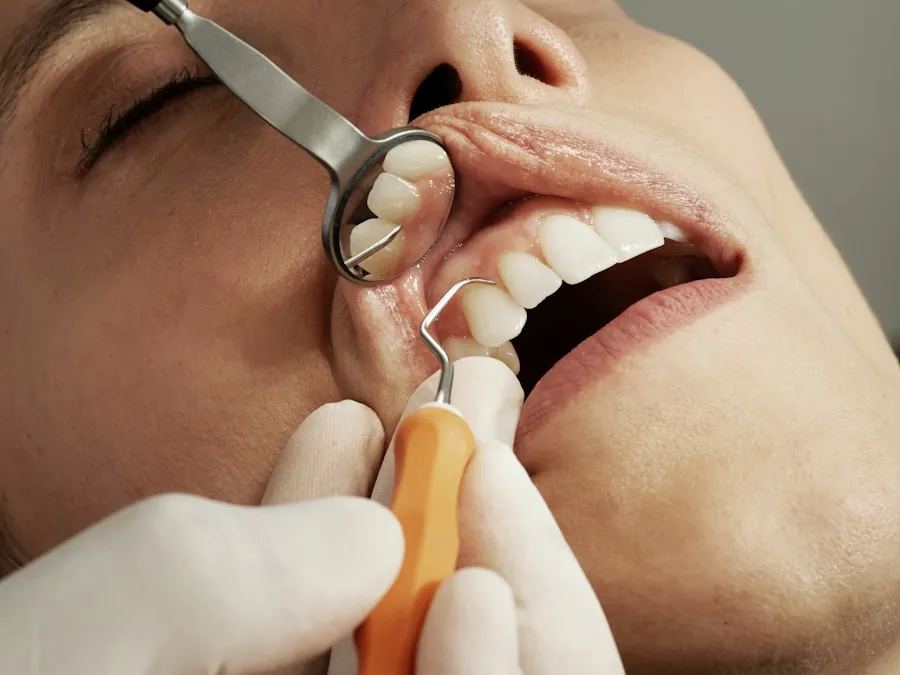
A professional teeth cleaning is done by a dental hygienist or dentist, following the rules of their state. It generally involves removing plaque and hardened tartar (also called calculus) that brushing alone may not reach, then polishing the teeth. A dental checkup is a separate exam where a licensed dentist looks at your teeth, gums, bite and mouth.
Tongue care is a small but often overlooked part of an oral hygiene routine. The tongue's surface can hold bacteria and debris, so many people gently clean it as part of their day. Everyone's mouth is different, so a dentist can talk with you about what fits your needs.
How it’s traditionally been approached
For many years, the common approach has been brushing with fluoride toothpaste, cleaning between the teeth with floss or other tools, and visiting a dental office on a regular schedule. Many dental offices recommend visits at set intervals, though the right rhythm can differ from person to person.
Flossing has long been the classic way to clean between teeth. Many people also use interdental brushes, water flossers or floss picks, and the best way to floss is often the one a person can do comfortably and consistently. A dentist or hygienist can show you a technique that suits your teeth and gums.
Tongue cleaning has traditionally been done with a soft toothbrush or a purpose-made tongue scraper. Tooth care tips have also long included limiting sugary snacks and drinks, and not skipping visits when something feels off. Different practices may emphasize different details, and all of these approaches can have a place.
How the right dentist may help
The right dentist may help by making preventive care feel simple and low-pressure. A typical visit often starts with a conversation about your health history and any concerns, followed by an exam and a cleaning. X-rays may be suggested in some cases, and your dentist can explain why.
Many dentists and hygienists are happy to show you techniques for brushing, flossing and tongue care so your routine works for your own mouth. If you feel nervous, say so. Many offices are used to helping anxious patients and may offer ways to make the visit more comfortable.
Good questions to ask include: How often would you suggest I come in, given my situation? Can you show me the best way to floss for my teeth? What do you see that I should watch? If treatment is suggested, ask for a written treatment plan and estimate. Costs vary by practice, location and case. If you're searching for a dentist near you, consider location, office hours, comfort and how well the team explains things.

The whole-person view
Your mouth is part of your whole body, and body, mind and stress can affect each other. Stress may show up as clenched jaws or changes in daily habits, and dental worry can make people put off visits. Being kind to yourself about all of it is part of good care.
If dental anxiety or stress feels big, some people find support through body-based approaches such as those offered by Somatic Experiences. Others find talk therapy helpful, and Therapists.plus is one place to look. Either way, your dentist can work with you at a pace that feels okay.
Somatic Experiences: nervous system regulation →Therapists.plus: anxiety panic and ocd →
Keep in mind
- Tuung is educational only and is not dental or medical advice. Only a licensed dentist can examine you and decide what's right for your mouth.
- Facial or neck swelling with fever, trouble breathing or swallowing, uncontrolled bleeding, or a serious face or jaw injury is a medical emergency. Call 911 or go to the ER.
- A knocked-out adult tooth needs a dentist right away. Ongoing tooth pain, swelling or signs of infection should be checked promptly by a licensed dentist.
- If you're feeling overwhelmed or in crisis, call or text 988 to reach the 988 Lifeline.
Guides in this topic
Dentist types
General & preventive dentistry (cleanings & exams)
dental cleanings · checkups and exams · dental X-rays · fluoride and sealants · oral cancer screening
Gum disease (periodontics)
scaling and root planing (deep cleaning) · periodontal maintenance · gum grafts · periodontal surgery
Pediatric dentistry
first dental visits · children's cleanings · sealants and fluoride · kid-friendly sedation
Frequently asked questions
How often should you get your teeth cleaned?
How often you should get your teeth cleaned depends on your mouth, your health and your dentist's advice. Many people visit on a regular schedule, but some may be asked to come more or less often. Ask your dentist what rhythm makes sense for you.
What happens during a dental checkup?
A dental checkup is an exam where a licensed dentist looks at your teeth, gums, bite and the soft tissues of your mouth. It often includes a conversation about your health history and any concerns, and X-rays may be suggested in some cases. Afterward, your dentist can explain what they found and answer your questions.
What is the best way to floss?
The best way to floss is the method that cleans between your teeth gently and that you can do regularly. Many people slide the floss carefully along each tooth's side, including just under the gumline, without snapping it. Your dentist or hygienist can show you a technique, or suggest other tools if floss is hard to use.
How do you clean your tongue?
You can clean your tongue by gently brushing it with a soft toothbrush or using a tongue scraper, working from back to front. Be gentle, since the tongue is sensitive. If you notice ongoing soreness, color changes or something unusual, ask a dentist to take a look.
Does a teeth cleaning hurt?
Many people find a teeth cleaning comfortable, though some feel sensitivity or mild discomfort, especially if their gums are tender. Tell your hygienist or dentist how you feel, since they can often adjust their approach. If you're nervous, let the office know before your visit.
How do I find a dentist near me?
To find a dentist near you, look for a licensed dentist (DDS or DMD) whose location, hours and communication style suit you. Tuung's directory can help you explore independent dentists. It's fine to call first and ask about the office, new-patient visits and how they support nervous patients.
Educational resource. Tuung shares general information and connects people with independent dentists. It is not medical advice, diagnosis or treatment. Talk with a licensed professional about your health.