What it is
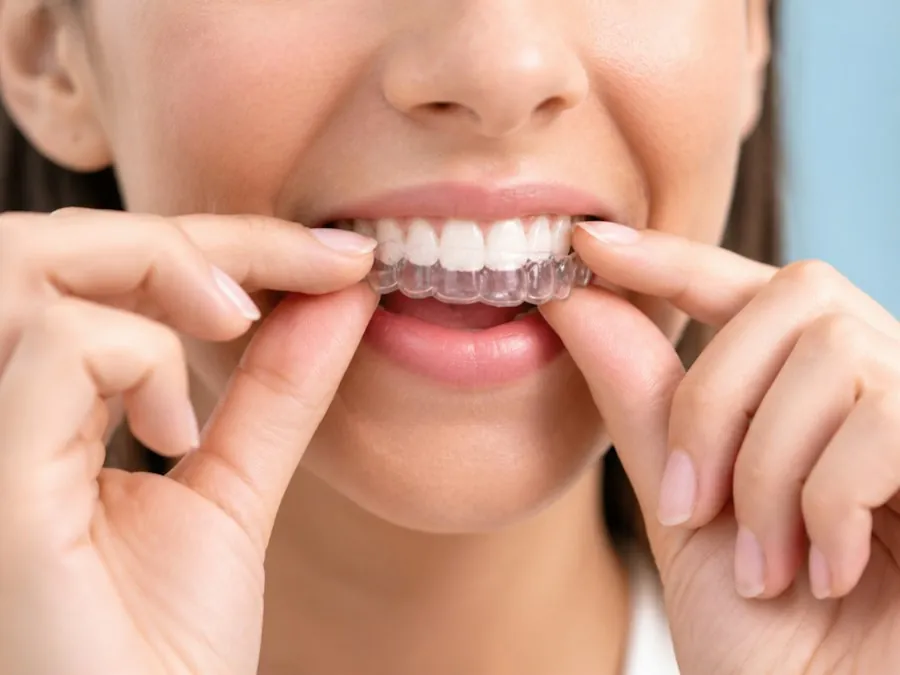
A retainer is a custom-made appliance that helps keep teeth in place after orthodontic treatment, whether you had traditional braces or clear aligners. It is made to fit your mouth after your teeth have moved.
Teeth are held in their sockets by bone and soft tissue, and those tissues need time to settle around the new positions. Teeth can also shift gradually over the years as part of normal life. Retainers are one way dental professionals help support the results of treatment.
There are a few common styles. Fixed retainers are thin wires bonded behind the teeth. Removable retainers include clear plastic trays that look like thin aligners, and wire-and-acrylic types often called Hawley retainers. Which one fits your situation is something a licensed dentist or orthodontist decides with you.
How it’s traditionally been approached
Traditionally, retainers have been given at the end of active orthodontic treatment, often around the time braces are removed. Some people receive them the same day, while others have impressions or scans taken so the retainer can be made.
Orthodontists and dentists have long used both fixed and removable styles, sometimes together. The choice has typically depended on factors such as the teeth involved, a person's habits, comfort, and the preferences of the care team.
Wear schedules have also varied from person to person. Many providers begin with more frequent wear and adjust over time, and many encourage long-term retainer use. Your own instructions should come from the professional who knows your teeth.
How the right dentist may help
The right orthodontist or dentist may help by examining your teeth, reviewing your treatment history, and explaining which retainer options could be a good fit. A visit generally includes a conversation about your goals, a look at your bite and gums, and impressions or digital scans if a retainer is being made.
Good questions to ask include: What type of retainer do you recommend for me and why? How and when should I wear it? How do I clean and store it? What should I do if it feels tight, breaks, or gets lost? How are replacements handled?
It is also fine to ask for a written treatment plan and estimate. Costs vary by practice, location and case, so asking up front can help you plan without surprises. If you used direct-to-consumer aligners, a dental exam is a wise step to ask about retainer options, too.

The whole-person view
Your mouth is part of your whole self. Jaw tension, teeth clenching, and stress can affect how your teeth and bite feel, and how you feel about your smile can affect your confidence and mood. Wearing a retainer is a daily habit, and building habits can feel easier when you are rested and relaxed.
If stress shows up in your body as tight shoulders or a clenched jaw, body-based support such as Somatic Experiences may be one gentle avenue to explore. If worries about dental visits or appearance weigh on you, talk therapy through Therapists.plus is another option. None of this replaces care from a licensed dentist.
Somatic Experiences: nervous system regulation →Therapists.plus: anxiety panic and ocd →
Keep in mind
- Tuung is educational only and is not dental or medical advice; a licensed dentist or orthodontist should examine you and guide your care.
- Costs, wear schedules and retainer types vary by practice, location and case, so ask for a written treatment plan and estimate.
- Facial or neck swelling with fever, trouble breathing or swallowing, uncontrolled bleeding, or a serious face or jaw injury is a medical emergency; call 911 or go to the ER.
- A knocked-out adult tooth needs a dentist right away, and ongoing tooth pain or a broken fixed retainer is worth a prompt call to your dentist's office.
Not sure where to start? Answer a few gentle questions and choose who you’d like to hear from.
Frequently asked questions
Do you have to wear retainers after braces?
Most orthodontic providers recommend retainers after braces because teeth can shift without support. The exact plan depends on your teeth and your provider's advice. Ask your orthodontist or dentist what is right for you.
What are the types of retainers after braces?
The common types are fixed (bonded) retainers, clear plastic removable retainers, and wire-and-acrylic Hawley retainers. Each has different features for comfort, appearance and care. A licensed dentist or orthodontist can explain which may suit you.
How long do you wear a retainer after braces?
The length of time varies from person to person, and many providers encourage long-term wear. Your provider will give you a schedule based on your case. It is always fine to ask them to explain the reasons behind it.
What happens if I stop wearing my retainer?
Teeth can gradually shift when a retainer is not worn as directed. If you notice your retainer feels tight or your teeth have moved, contact a dentist or orthodontist for an exam. There is no shame in that, and options may be available.
Can I get a retainer after clear aligners?
Yes, retainers are commonly part of the plan after clear aligner treatment as well. If you used a direct-to-consumer aligner service, a dental exam can help you learn about retainer options. Your dentist can guide you from there.
How do I clean my retainer?
Your provider will give cleaning instructions for your specific type, and these usually involve gentle, regular cleaning and safe storage in a case. Ask which products are safe for your retainer material. Avoid leaving it where it can be lost or damaged.
Educational resource. Tuung shares general information and connects people with independent dentists. It is not medical advice, diagnosis or treatment. Talk with a licensed professional about your health.