What it is
Braces are small brackets attached to the teeth and connected by a wire. Over time, the wire and adjustments apply gentle pressure that guides teeth into new positions. Brackets can be metal or tooth-colored, and a dental professional adjusts them during regular visits.
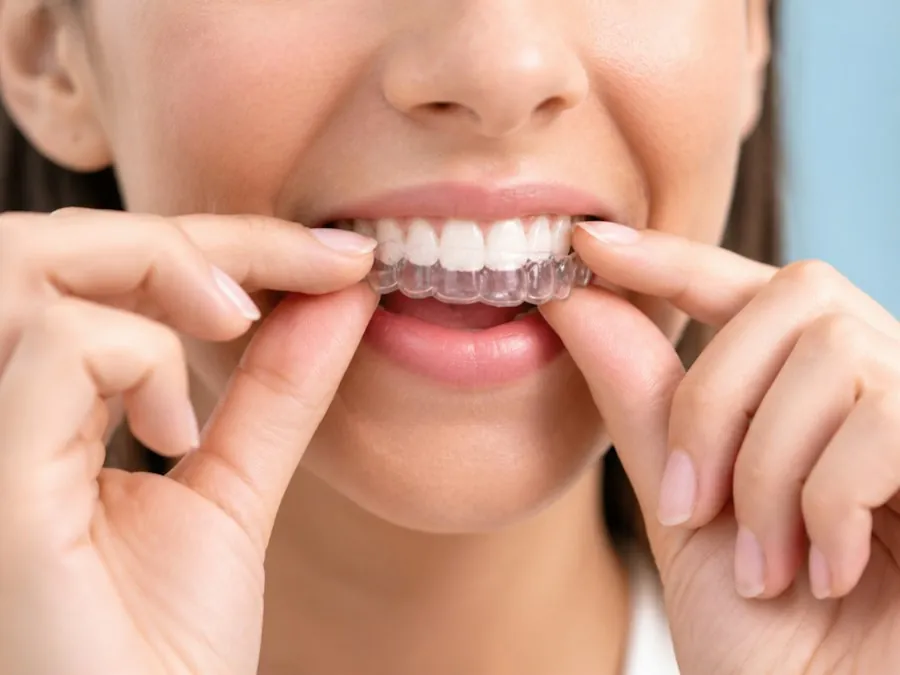
Clear aligners are a series of removable, clear plastic trays, each shaped slightly differently from the last. Wearing them as directed moves teeth step by step. Some are provided through a dental office, and some are offered direct-to-consumer, often by mail after scans or impressions.
Both approaches aim for a healthy, comfortable bite and a smile you like. Which one is suitable depends on your teeth, your jaw, your habits and your goals, and only a licensed dentist or orthodontist can tell you after an exam.
How it’s traditionally been approached
Braces have been used for many decades and are widely familiar. Because they are fixed to the teeth, they work around the clock without relying on the wearer to remember to put anything in.
Clear aligners are a newer option that grew in popularity as digital scanning and planning improved. People often mention that they can be taken out for eating, brushing and flossing, and that they look less noticeable.
Neither approach is better for everyone. Some bite or spacing concerns are traditionally handled with braces, others with aligners, and some with a combination. Orthodontists are dental specialists with additional training in tooth and jaw alignment, and many general dentists also offer aligners.
How the right dentist may help
A visit usually begins with a conversation about what you want to change, a look at your teeth, gums and bite, and often X-rays, photos or a digital scan. The right provider may help you understand which options could be realistic for your situation and explain the trade-offs in plain English.
Healthy gums and teeth matter before any movement begins, so a dentist may suggest treating things like cavities or gum concerns first. If you are considering a direct-to-consumer aligner, a dental exam first is a wise step, since it helps confirm your mouth is ready.
Helpful questions to ask: Which options could suit my teeth and bite? How often would I need visits? What will be expected of me day to day? What happens after treatment to keep my results (retainers)? Can I have a written treatment plan and estimate? Costs vary by practice, location and case, so it is fine to ask about payment options too.

The whole-person view
Your smile, your bite and your everyday comfort are connected to how you feel overall. Feeling self-conscious about your teeth, or nervous about the dentist, can affect stress, and stress can show up in the body, such as jaw clenching or tension. Taking an informed, unhurried approach can make the process feel more manageable.
If dental anxiety is part of your story, you are not alone and there is no shame in it. Body-based support like Somatic Experiences may help some people feel calmer in their bodies, and talk therapy through Therapists.plus may help with worries about appointments. Many people also find it helpful simply to tell their dental team how they feel.
Somatic Experiences: nervous system regulation →Therapists.plus: anxiety panic and ocd →
Keep in mind
- This page is educational only and is not dental or medical advice; only a licensed dentist or orthodontist can evaluate your teeth and recommend options after an exam.
- Results, timelines and costs vary by person, practice and location, so ask for a written treatment plan and estimate.
- Facial or neck swelling with fever, trouble breathing or swallowing, uncontrolled bleeding, or a serious face or jaw injury is a medical emergency: call 911 or go to the ER. A knocked-out adult tooth needs a dentist right away.
- If you are feeling overwhelmed or in crisis, call or text 988 to reach the Suicide & Crisis Lifeline.
Not sure where to start? Answer a few gentle questions and choose who you’d like to hear from.
Frequently asked questions
Are clear aligners or braces better?
Neither is better for everyone. The right choice depends on your teeth, bite, goals and habits. A licensed dentist or orthodontist can explain which options may be possible for you after an exam.
Can clear aligners fix everything braces can?
Not always. Some alignment and bite situations may be well suited to aligners, while others are traditionally handled with braces or a combination. A dental exam is the way to find out what may apply to you.
Do clear aligners or braces hurt?
Many people feel pressure or mild soreness as teeth begin to move, especially after a new tray or an adjustment. It is usually described as temporary. Tell your provider if discomfort worries you, and they can suggest ways to stay comfortable.
How long do clear aligners vs braces take?
Timelines vary from person to person and depend on the case. Your provider can give you an estimate after an exam and explain what could make it shorter or longer. Wearing aligners as directed and keeping appointments matter for either option.
How much do clear aligners vs braces cost?
Costs vary by practice, location and case, so there is no single answer. Ask for a written treatment plan and estimate, and ask what is included, such as retainers and follow-up visits. Your insurance plan can tell you what it covers.
Is it okay to use mail-order clear aligners?
Direct-to-consumer aligners are an option some people choose, and they can be a good fit for some. A dental exam first is wise to make sure your teeth and gums are healthy and the approach suits your goals. Ask a provider what to consider.
Educational resource. Tuung shares general information and connects people with independent dentists. It is not medical advice, diagnosis or treatment. Talk with a licensed professional about your health.