What it is
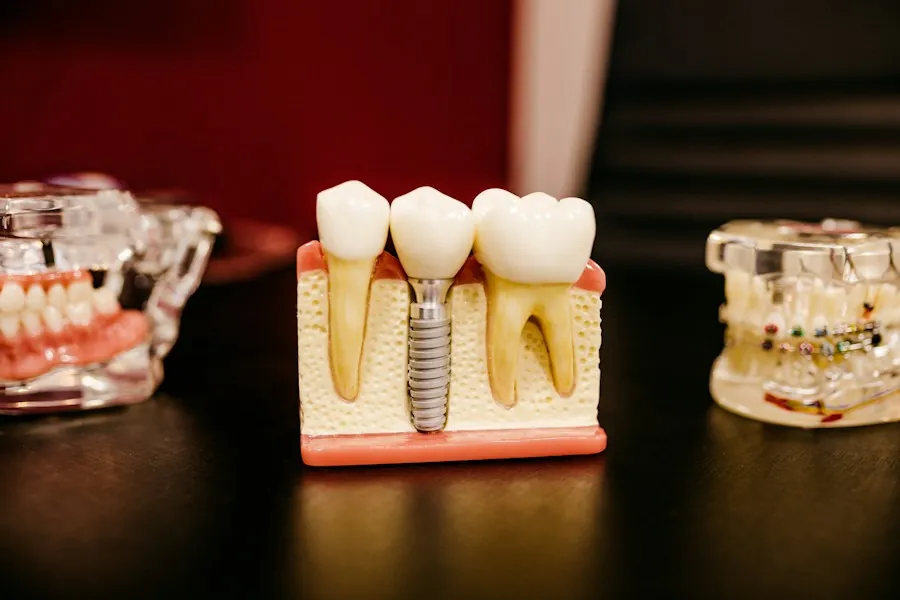
Dental implants are small posts, usually made of titanium or a similar material, that a dentist or dental specialist places in the jaw to act as an anchor for a replacement tooth. A crown, bridge or denture can then attach to them. Many people choose implants because they are designed to feel and function much like natural teeth.
Dentures are removable replacements for missing teeth. Complete dentures replace a whole arch, and partial dentures fill in gaps while resting on remaining teeth. Implant-supported dentures are a middle path: a denture that clips or attaches to implants instead of relying only on the gums.
A dental crown is a custom cap that covers a damaged or weakened tooth to protect its shape and function. A dental bridge replaces one or more missing teeth by anchoring a false tooth to neighboring teeth or implants. Crowns and bridges are fixed, meaning they are not taken out at home.
Dental implants are medical devices regulated by the FDA, and the materials and designs differ. Ask your dentist what they use and why.
How it’s traditionally been approached
For many years, dentures and bridges were the standard ways to replace missing teeth. They have helped countless people eat, speak and smile with more comfort, and they remain a reasonable choice for many situations.
Crowns have long been used to restore teeth that are cracked, heavily filled or treated with a root canal. Bridges traditionally relied on the teeth beside a gap for support.
Implants became more widely available over time and are now a common option, though not everyone is a candidate. Bone health, gum health, overall health and personal preference all play a role, and every approach has trade-offs worth discussing openly with a licensed professional.
How the right dentist may help
A general dentist, prosthodontist, periodontist or oral and maxillofacial surgeon may help you explore these options. A first visit usually includes a conversation about your goals, a look at your teeth and gums, and often X-rays or scans. No one can tell what suits you without an exam, and there is no pressure to decide on the spot.
Good questions to ask include: What options do I have for my situation? What are the pros and cons of each? How long might treatment take and how many visits? Who does each step, and what training do they have? What happens if something needs adjusting or replacing later?
Ask for a written treatment plan and estimate. Costs vary by practice, location and case, and a clear plan helps you compare. If you feel nervous, tell the team. Many practices can explain each step and discuss comfort options, and sedation is offered only by dentists permitted by their state dental board. Getting a second opinion is perfectly normal.

The whole-person view
Your mouth is part of your whole body. Chewing comfortably, speaking clearly and feeling good about your smile can influence nutrition, confidence and everyday stress. Stress and worry can also show up in the mouth, for example through clenching or grinding, which a dentist may want to know about when planning care.
If dental fear or tension feels big, you are not alone. Somatic Experiences offers body-based support for stress, and Therapists.plus can connect you with talk therapy. These are complements to your dental care, not replacements for it.
Somatic Experiences: nervous system regulation →Therapists.plus: anxiety panic and ocd →
Keep in mind
- Tuung is educational only and is not dental or medical advice. Only a licensed dentist can examine you and recommend what is appropriate.
- Dentists (DDS/DMD) are licensed by their state dental board, and specialists such as prosthodontists, periodontists and oral surgeons have additional training. It is fine to ask about credentials.
- Facial or neck swelling with fever, trouble breathing or swallowing, uncontrolled bleeding, or a serious face or jaw injury is a medical emergency. Call 911 or go to the ER. A knocked-out adult tooth needs a dentist right away.
- If you are ever in emotional crisis, call or text 988.
Guides in this topic
Dentist types
Dental implants
single-tooth implants · implant bridges · implant-supported dentures · bone grafting
Dentures & partials
full dentures · partial dentures · immediate dentures · denture relines and repairs · snap-in (implant-retained) dentures
Crowns & bridges
porcelain and ceramic crowns · same-day crowns · dental bridges · inlays and onlays · fillings
Frequently asked questions
What are dental implants?
Dental implants are small posts placed in the jaw to anchor a replacement tooth, bridge or denture. They are regulated by the FDA as medical devices. A licensed dentist can tell you after an exam whether they may be an option for you.
What is the difference between dental implants vs dentures?
Implants are anchored in the jaw, while traditional dentures rest on the gums and are removable. Dentures are often less involved to get started, and implants generally involve a surgical step and more time. A dentist can walk you through how each might fit your situation.
What are implant-supported dentures?
Implant-supported dentures are dentures that attach to dental implants rather than resting only on the gums. Some are removable for cleaning and others are fixed in place. Ask your dentist which style is being discussed and how to care for it.
What are partial dentures?
Partial dentures are removable appliances that replace some missing teeth while the remaining natural teeth stay in place. They are typically held with clasps or other attachments. Your dentist can explain how they compare with bridges or implants for your gaps.
How long do dental implants last?
There is no single answer, because it depends on the person, the care they receive and the dental team's work. Many factors play a part, including gum health, bite forces, daily cleaning and regular checkups. Ask your dentist what to expect in your case.
What is a dental crown, and how is a dental bridge vs implant different?
A dental crown is a cap that covers and protects a tooth. A bridge replaces missing teeth by anchoring to neighboring teeth or implants, while an implant replaces the tooth root itself and stands on its own. A dentist can explain the trade-offs for your mouth after an exam.
Educational resource. Tuung shares general information and connects people with independent dentists. It is not medical advice, diagnosis or treatment. Talk with a licensed professional about your health.