What it is
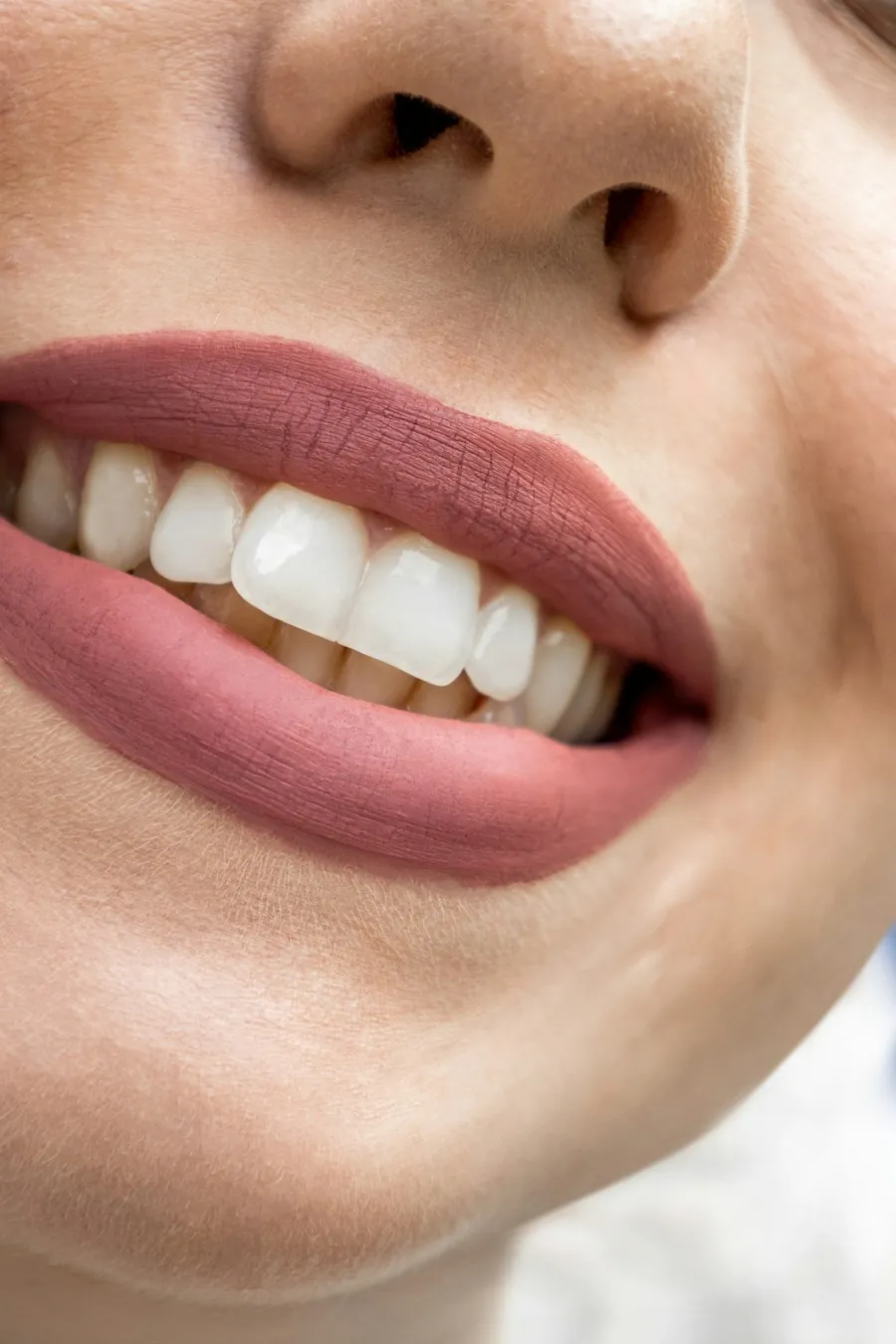
Teeth whitening lightens the natural color of teeth and can soften stains from things like coffee, tea, or aging. It can be done in a dental office or at home with products from a dentist or a store. Whitening works on natural tooth surfaces, so it generally doesn't change the color of crowns, veneers or fillings.
Porcelain veneers are thin, custom-made shells that cover the front of a tooth to change its color, shape, size or look. Dental bonding uses a tooth-colored resin that a dentist shapes and hardens right on the tooth, often to close small gaps, cover chips or improve shape.
A smile makeover isn't one procedure. It's a plan a dentist builds with you that may combine several options, such as whitening, bonding, veneers, or gum and alignment care. The goal is a look that fits your face and your preferences, and what's right for you depends on a dentist's exam.
How it’s traditionally been approached
Whitening has long been approached in two broad ways: professional teeth whitening supervised by a dental office, and at-home whitening using trays, strips, pastes or similar products. Each has fans, and each can fit different needs, schedules and comfort levels. Many people find it wise to have a dental exam first, so any cavities, gum concerns or sensitivity are looked at before whitening begins.
Veneers and bonding have traditionally been used for different situations. Bonding is often done in a single visit and is usually considered more conservative, while veneers are typically made in a dental lab and take more than one visit. People often compare veneers vs bonding based on the look they want, how much of the tooth is involved, and their budget.
How long cosmetic results last varies a lot. Habits like drinking coffee, tea or red wine, smoking, grinding teeth and oral hygiene can all play a role, and veneers or bonding may eventually need repair or replacement. A dentist can explain what's realistic for your mouth, since no one can promise a specific timeline.
How the right dentist may help
The right cosmetic dentist may help you sort through options without pressure. A first visit generally includes talking about what you'd like to change, a look at your teeth and gums, and sometimes photos or X-rays. It's a judgment-free conversation, and you're welcome to say if you feel nervous.
Good questions to ask include: Which options might fit my goals, and what are the pros and cons of each? Is my mouth healthy enough to begin? What maintenance will this need over time? Can I see examples of your work? Ask for a written treatment plan and estimate, since costs vary by practice, location and case.
You can also ask about alternatives, how reversible a choice is, and what happens if something chips or stains later. A dentist who listens, explains clearly and is comfortable with you taking time to decide may be a good fit. Dentists are licensed by their state dental board, and you can confirm a license with that board.

The whole-person view
How we feel about our smile is tied to how we carry ourselves. Stress can show up in the body through habits like clenching or grinding teeth, which may affect teeth and cosmetic work. Body, mind and stress influence each other, so caring for the whole person can support a healthy smile.
If dental anxiety or tension is part of your story, support is out there. Somatic Experiences offers body-based support for stress, and Therapists.plus connects people with talk therapy. Many dentists are also happy to talk about ways to make visits more comfortable.
Somatic Experiences: nervous system regulation →Therapists.plus: anxiety panic and ocd →
Keep in mind
- Tuung is educational only and is not dental or medical advice; a licensed dentist must examine you before recommending anything.
- Results, comfort and how long they last vary from person to person, and no outcome can be guaranteed.
- Tooth pain, or facial or neck swelling with fever, trouble breathing or swallowing, uncontrolled bleeding, or a serious face or jaw injury is a medical emergency. Call 911 or go to the ER. A knocked-out adult tooth needs a dentist right away.
- At-home whitening and direct-to-consumer products can be a fair option for some people, and a dental exam first is wise. Ask your dentist about any product you're considering.
Guides in this topic
Dentist types
Frequently asked questions
What is teeth whitening?
Teeth whitening is a cosmetic treatment that lightens the color of natural teeth and can reduce surface stains. It can be done in a dental office or at home. A dentist can tell you whether it may suit your teeth after an exam.
What's the difference between professional teeth whitening vs at-home?
Professional whitening is done or supervised by a dental office, while at-home options are products you use on your own, such as strips, trays or pastes. Both are common choices, and each has different convenience, supervision and results. A dental exam first is wise, and your dentist can explain which approach may fit you.
Is teeth whitening safe?
For many people, teeth whitening is considered a common cosmetic option when done as directed, but it isn't right for everyone. Some people notice temporary tooth or gum sensitivity. Ask a licensed dentist to check your teeth and gums first, and follow product directions.
How long does teeth whitening last?
It varies from person to person, so there's no single answer. Food and drink choices, smoking, oral hygiene and the type of whitening all play a role. A dentist can talk with you about what to expect and how to care for your results.
What's the difference between veneers vs bonding?
Porcelain veneers are thin custom shells made in a lab and placed on the front of teeth, while dental bonding uses tooth-colored resin shaped directly on the tooth. Bonding is often done in one visit, and veneers usually take more than one. A cosmetic dentist can explain which may suit your goals after an exam.
How do I choose a cosmetic dentist for a smile makeover?
Look for a licensed dentist who listens, explains your options clearly and shows examples of their work. Ask for a written treatment plan and estimate, since costs vary by practice, location and case. It's fine to take your time or get a second opinion.
Educational resource. Tuung shares general information and connects people with independent dentists. It is not medical advice, diagnosis or treatment. Talk with a licensed professional about your health.