What it is
An orthodontist is a dentist who has completed additional specialty training in how teeth and jaws grow, move and fit together. Orthodontists are licensed through their state dental board, as all dentists are, and the specialty adds focused education on alignment.
Orthodontic care often addresses crowded or gapped teeth, bites that don't meet evenly, and teeth that are tilted or out of position. People of many ages seek it out, from children to adults, for comfort, function, appearance or a mix of reasons.
Not every dentist who offers braces or clear aligners is an orthodontist, and many general dentists provide aligner care with their own training. When comparing options, it's fair to ask about a provider's training and how many similar cases they see.
How it’s traditionally been approached
Traditionally, teeth have been moved with braces: small brackets attached to the teeth and connected by wires that apply gentle, steady pressure over time. Braces come in several styles, such as metal or tooth-colored brackets, and some are placed behind the teeth.
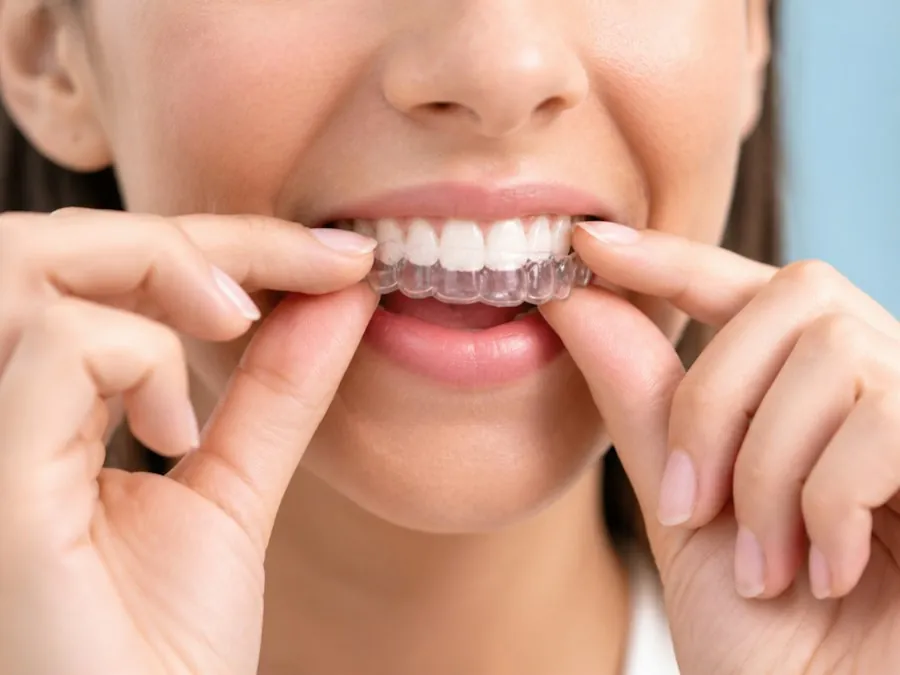
Clear aligners are another approach. These are removable, custom-made trays worn in a series, with each one guiding teeth gradually. Some people prefer them for appearance and for being able to take them out to eat and clean, while others find fixed braces suit their situation.
After teeth have moved, retainers have traditionally been used to help hold results in place. Some treatment may also involve other tools, such as expanders or elastics. Which of these is appropriate is something only a licensed dentist or orthodontist can decide after an exam.
How the right dentist may help
The right orthodontist may help by looking at your teeth, bite and jaw, talking through your goals, and explaining the options that might fit. A first visit is often a consultation. It commonly includes a conversation, an exam, and possibly photos or X-rays so the provider can see the full picture. Many practices offer this visit in a relaxed, no-pressure way, and it's fine to be nervous.
Good questions to bring: Which options might suit my situation, and why? How long might treatment take? What will I need to do at home? What happens if I miss an appointment or a piece breaks? Is a retainer part of the plan, and for how long? You can also ask whether the provider is an orthodontist or a general dentist.
Costs vary by practice, location and case, so ask for a written treatment plan and estimate, along with what payment options are available. If you've tried direct-to-consumer aligners or are considering them, a dental exam first is wise, because healthy teeth and gums are important before moving teeth. Getting a second opinion is completely normal.

The whole-person view
Teeth, jaws, stress and sleep are all connected. Many people clench or grind when they're tense, and how teeth fit together can affect how the jaw and face feel. Feeling good about your smile can also influence confidence and everyday comfort, and dental worries can add stress of their own.
If dental anxiety or stress is part of your experience, support can be gentle and varied. Somatic Experiences offers body-based support for stress held in the body, and Therapists.plus connects people with talk therapy. Many people also find that telling the dental team about their nerves helps the visit feel more comfortable.
Somatic Experiences: nervous system regulation →Therapists.plus: anxiety panic and ocd →
Keep in mind
- This page is educational only and is not dental or medical advice. Only a licensed dentist or orthodontist can evaluate your teeth and discuss what may be appropriate for you.
- Facial or neck swelling with fever, trouble breathing or swallowing, uncontrolled bleeding, or a serious face or jaw injury is a medical emergency. Call 911 or go to the ER.
- A knocked-out adult tooth needs a dentist right away, and ongoing tooth pain or swelling should be seen promptly by a licensed dentist.
- If you're feeling overwhelmed or in crisis, you can call or text 988 at any time.
Not sure where to start? Answer a few gentle questions and choose who you’d like to hear from.
Frequently asked questions
How do I find a good orthodontist near me?
Start by searching for licensed orthodontists in your area and checking that they are licensed by your state dental board. Read about their training, ask friends or your dentist for referrals, and book a consultation or two. Choose someone who explains things clearly and makes you feel comfortable.
Do I need a referral to see an orthodontist?
Often you don't, though requirements vary by practice and sometimes by insurance plan. Many orthodontists accept direct consultations, so call the office and ask. Your regular dentist can also share a recommendation if you'd like one.
What happens at a first orthodontist visit?
A first visit is usually a consultation where the orthodontist talks with you, examines your teeth and bite, and may take photos or X-rays. They can then explain the options that might fit and answer your questions. You can ask for a written treatment plan and estimate before deciding anything.
What is the difference between an orthodontist and a dentist?
An orthodontist is a dentist who has completed additional specialty training in aligning teeth and jaws. A general dentist covers a broad range of care, such as exams, cleanings and fillings, and some also offer braces or aligners. Both are licensed by their state dental board.
Are braces or clear aligners better?
Neither is better for everyone, since the right choice depends on your teeth, bite, goals and lifestyle. Braces are fixed in place, while clear aligners are removable and worn in a series. A licensed orthodontist or dentist can explain which options may suit you after an exam.
How much does seeing an orthodontist cost?
Costs vary by practice, location and case, so it's not possible to give a number here. Ask each office for a written treatment plan and estimate, and ask about payment options and what insurance may or may not cover. Comparing a couple of offices is perfectly normal.
Educational resource. Tuung shares general information and connects people with independent dentists. It is not medical advice, diagnosis or treatment. Talk with a licensed professional about your health.