What it is
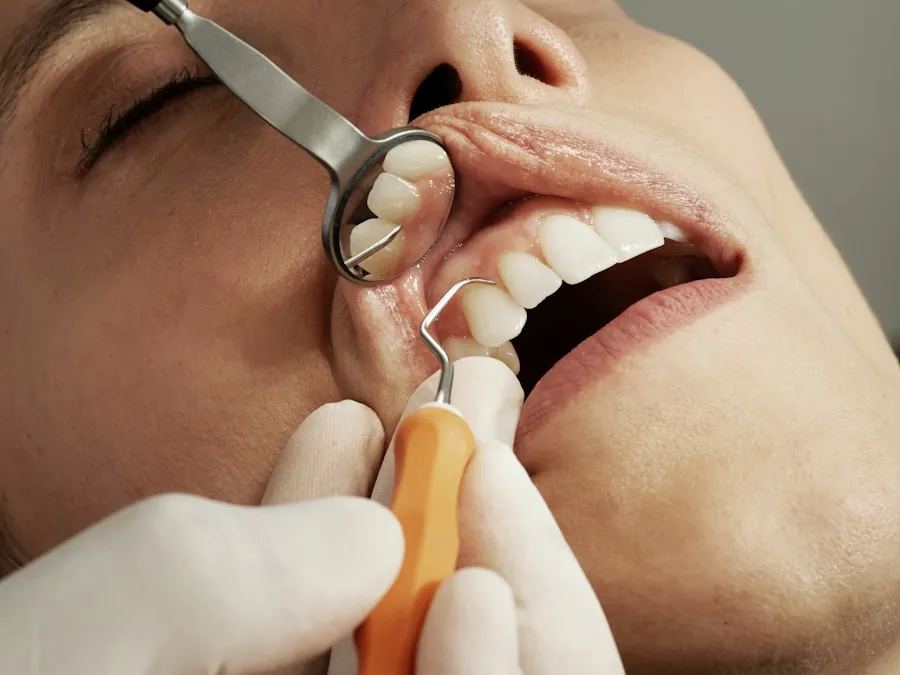
A professional teeth cleaning, often called a dental prophylaxis or "prophy," is a visit where a dental hygienist or dentist removes plaque and hardened tartar (calculus) that brushing and flossing at home can miss. It is usually paired with a check-up so the dentist can look at your teeth, gums and the rest of your mouth.
The question "how often" is really about your recall interval, which is the time between visits. A recall interval is meant to fit the person. Some people are seen more often and others less often, depending on what the dentist finds.
Hygienists clean teeth under rules set by each state, and dentists (DDS or DMD) are licensed by their state dental board. Tuung is educational only and cannot tell you what schedule is right for you. That decision belongs to your dentist after an exam.
How it’s traditionally been approached
Traditionally, many dental offices have invited patients back about every six months. That rhythm became familiar, and many insurance plans and reminder systems are built around it. For plenty of people it works comfortably as a starting point.
In more recent years, many dental professionals have described a more individualized approach. People with certain gum conditions, a history of cavities, dry mouth, braces or other factors may be asked to come in more often. People whose mouths are very stable may be given different timing.
Gum health is one piece of this. When gum disease is a concern, a dentist or a periodontist (a dental specialist in gums and supporting structures) may suggest a different kind of cleaning or a different schedule. Children are often seen by pediatric dentists or family dentists who tailor visits to growing mouths.
How the right dentist may help
The right dentist may help by looking at your whole picture: your teeth, gums, past dental work, home care habits, diet and overall health. From that, they can explain why they suggest a certain interval, and they may adjust it over time as your mouth changes.
A typical visit generally includes a conversation about your health and any concerns, a cleaning, an exam, and sometimes X-rays if the dentist feels they are needed. If you feel nervous, say so. Many offices are used to anxious patients and can often go at your pace.
Good questions to ask: How often do you suggest I come in, and why? What would make that change? Are my gums healthy? Is there anything I can do differently at home? If any work is recommended, ask for a written treatment plan and estimate, since costs vary by practice, location and case.

The whole-person view
Your mouth is part of your whole body, and body, mind and stress all affect one another. Stress can show up as teeth clenching, changes in routines or skipped appointments, and general health can influence how gums and teeth behave. Looking at the whole person is a kind, practical way to think about dental care.
If dental visits make you tense, body-based support such as Somatic Experiences may be something some people explore for stress. If worry or past experiences weigh on you, talk therapy through Therapists.plus is another option to consider. These are complements to dental care, not replacements for it.
Somatic Experiences: nervous system regulation →Therapists.plus: anxiety panic and ocd →
Keep in mind
- This page is educational only and is not dental or medical advice; only a licensed dentist can tell you how often you need cleanings after an exam.
- Costs and insurance coverage vary by practice, location and case, so ask for a written treatment plan and estimate before starting any work.
- Facial or neck swelling with fever, trouble breathing or swallowing, uncontrolled bleeding, or a serious face or jaw injury is a medical emergency: call 911 or go to the ER. A knocked-out adult tooth needs a dentist right away.
- If pain, swelling or signs of infection appear between visits, contact a dentist promptly rather than waiting for your next cleaning.
Not sure where to start? Answer a few gentle questions and choose who you’d like to hear from.
Frequently asked questions
How often should you get your teeth cleaned?
Many dentists suggest a cleaning and exam about twice a year as a common starting point, but the right schedule is personal. Some people are advised to come in more often and some less often, based on an exam. Ask your dentist what interval fits your mouth and why.
Is twice a year really necessary for everyone?
Not necessarily. Twice a year is a familiar guideline, not a one-size-fits-all rule. Your dentist looks at your gums, teeth, history and health to suggest a schedule that makes sense for you.
Who might need cleanings more often?
People with gum concerns, a history of cavities, dry mouth, braces or certain health conditions are sometimes asked to visit more often. Only a licensed dentist can decide this after an exam. If you are unsure, it is fine to ask whether your schedule should change.
How often should kids get their teeth cleaned?
Many children are seen by a dentist on a regular schedule, often similar to adults, but a pediatric or family dentist will recommend what fits your child. Ask about timing, especially for a first visit or if your child is nervous. A friendly, patient office can make a big difference.
What happens if I haven't had a cleaning in a long time?
You are welcome to come in, and a good dentist will not shame you. The first visit usually involves an exam and conversation, and the dentist may explain whether a standard cleaning or something more is a good fit. Ask for a written plan and estimate if any treatment is suggested.
Do I still need cleanings if I brush and floss well?
Yes, most dentists still encourage professional visits, because tartar can build up even with good home care and an exam can catch things you cannot see or feel. Your dentist can tell you how often is right for you. Great home habits may be part of why your schedule works well.
Educational resource. Tuung shares general information and connects people with independent dentists. It is not medical advice, diagnosis or treatment. Talk with a licensed professional about your health.