What it is
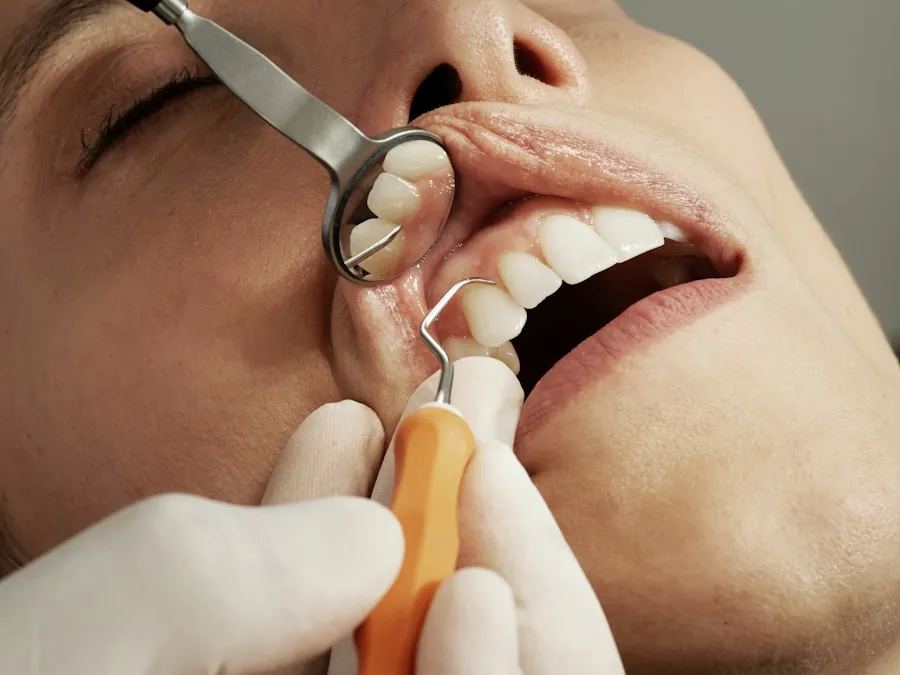
A dental checkup is a regular visit focused on keeping your mouth healthy and catching small concerns early. It usually includes an exam by a dentist and, in many offices, a professional cleaning.
During the exam, a dentist typically looks at your teeth, gums, tongue, cheeks and jaw. X-rays (images of the teeth and bone) may be taken when the dentist feels they are useful for your situation.
A checkup is different from a visit for a specific problem. It is a chance to ask questions, talk about habits and goals, and learn about your own mouth at a comfortable pace.
How it’s traditionally been approached
Dental checkups have long been part of preventive care, built around the idea that regular attention to the mouth can help people stay ahead of problems. Many dental offices encourage patients to return on a repeating schedule.
How often someone goes can vary. A dentist may suggest a different schedule for different people, depending on their mouth, health history and needs, so there is no single timeline that fits everyone.
Checkups are commonly paired with a cleaning, in which a dental hygienist works under state rules to remove buildup from the teeth. Children, adults and older adults all have checkups, and some people see a periodontist (gum specialist) or a pediatric dentist for added expertise.
How the right dentist may help
The right dentist may help by making the visit feel welcoming and clear. A typical visit starts with a chat about your health history and any concerns, followed by the exam, and often a cleaning. The dentist can then explain what they see in plain English.
If the dentist notices something, they may talk through possible options and next steps. Only a licensed dentist can evaluate your mouth and recommend care after an exam, so it is fine to ask them to slow down or show you what they mean.
Helpful questions include: What did you find today? Is anything urgent, or can it wait? Can I have a written treatment plan and estimate? How often should I come back? If you feel anxious, tell the office. Many are happy to adjust their pace, and some dentists permitted by their state board offer sedation options you can ask about.

The whole-person view
Your mouth is part of your whole body, and body, mind and stress affect each other. Stress can show up as jaw clenching or tension, and dental worries can make people put off visits. Being kind to yourself about all of this is part of caring for your health.
If dental fear feels big, body-based support such as Somatic Experiences may help some people feel calmer in their bodies, and talk therapy through Therapists.plus may help others work through anxiety about appointments. These are optional ways of support, alongside care from a licensed dentist.
Somatic Experiences: nervous system regulation →Therapists.plus: anxiety panic and ocd →
Keep in mind
- Tuung is educational only and is not dental or medical advice. A licensed dentist must examine you before recommending anything.
- Costs vary by practice, location and case, so ask for a written treatment plan and estimate before care begins.
- Facial or neck swelling with fever, trouble breathing or swallowing, uncontrolled bleeding, or a serious face or jaw injury is a medical emergency. Call 911 or go to the ER.
- A knocked-out adult tooth needs a dentist right away. If dental worries are affecting your mood, you can call or text 988 in a crisis.
Not sure where to start? Answer a few gentle questions and choose who you’d like to hear from.
Frequently asked questions
What happens at a dental checkup?
A dental checkup usually includes a review of your health history, an exam of your teeth, gums and mouth by a dentist, and often a cleaning by a hygienist. X-rays may be taken if the dentist thinks they are helpful. The dentist then talks with you about what they found.
How often should I get a dental checkup?
It depends on the person, so the best answer comes from your dentist. Some people are advised to come back on one schedule and others on a different one, based on their mouth and health history. Ask your dentist what makes sense for you.
Does a dental checkup hurt?
Most checkups are designed to be comfortable, though some people notice mild sensitivity during a cleaning. If you feel any discomfort, let your dental team know, since they can pause or adjust. Telling them about nervousness ahead of time can help.
How much does a dental checkup cost?
Costs vary by practice, location and individual case, so we can't give a number. Call the office ahead of time and ask what is included, and request a written estimate for any recommended care. Many offices are glad to explain options.
Do I need a dental checkup if my teeth feel fine?
Many people choose to go even when nothing hurts, because some concerns are not noticeable at first. A dentist can look at areas you can't easily see yourself. Your dentist can tell you what schedule fits your situation.
At what age should kids have a dental checkup?
A pediatric dentist or family dentist can tell you when to begin and how often to come back for your child. Many offices are happy to welcome young children and help the first visit feel friendly. Ask the office how they make visits comfortable for kids.
Educational resource. Tuung shares general information and connects people with independent dentists. It is not medical advice, diagnosis or treatment. Talk with a licensed professional about your health.