What it is
Flossing is cleaning the tight spaces between teeth and just under the gumline, where a toothbrush bristle often can't fully reach. Food and a soft, sticky film called plaque can collect in these spaces.
Common tools include traditional string floss, floss picks, water flossers, and small brushes made for between the teeth. Each has a different feel, and none is automatically right for everyone.
The best way to floss often depends on your tooth spacing, dental work such as bridges or braces, gum sensitivity, hand dexterity, and personal comfort. That's why a personalized look from a dentist can be so useful.
How it’s traditionally been approached
The traditional string method uses a piece of floss wrapped around the fingers, gently guided between two teeth, then curved into a C-shape against one tooth and slid up and down along its side and just below the gumline. The same is repeated on the neighboring tooth, using a fresh section of floss as you go.
Many people have also used floss picks, which are easier to handle, or interdental brushes and water flossers, which some find easier with wider gaps, braces, or limited hand mobility. Dental professionals have commonly described these as different ways to reach the same goal.
Gentleness has traditionally been emphasized. Snapping floss down into the gums can feel unpleasant, so the usual advice is to move slowly and hug the side of each tooth. Your dentist or hygienist can show you what this looks like in your own mouth.
How the right dentist may help
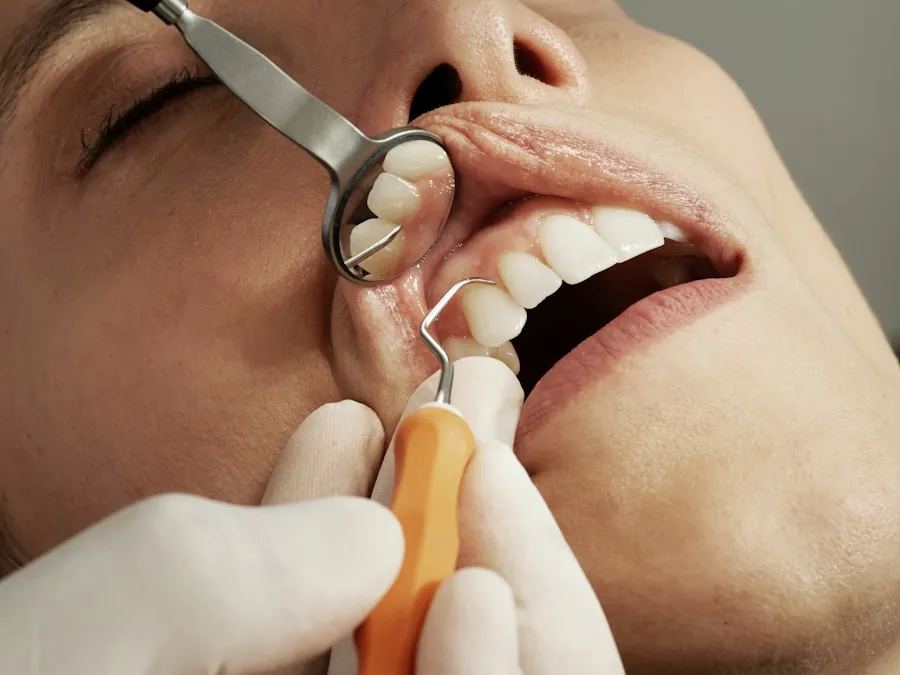
A general or preventive dentist may help by looking at your teeth and gums during an exam and cleaning, then talking with you about what tools might suit your mouth. Hygienists, who clean teeth under state rules, often demonstrate technique right in the chair, and there's no need to feel embarrassed about asking.
If gums bleed, feel tender, or seem puffy, a dentist can evaluate what may be going on. Gum concerns may be looked at further by a periodontist, a dental specialist with additional training in gums. Only a licensed dentist can diagnose, so an exam is the best next step.
Helpful questions to ask: Which tool might work best for my teeth? Can you show me the technique and watch me try it? Is there anything different I should do around braces, bridges, or implants? For kids, a pediatric dentist can show families age-appropriate ways to help little ones get started.

The whole-person view
Your mouth is part of your whole body, and habits like flossing are shaped by energy, stress, routines, and even how we feel about going to the dentist. When life is busy or overwhelming, small self-care habits can slip, and that's very human rather than a personal failing.
If stress or dental anxiety makes caring for yourself feel harder, body-based support such as Somatic Experiences may help some people feel more settled, and talk therapy through Therapists.plus is another option to explore. Being kind to yourself can make building a gentle, steady routine feel more doable.
Somatic Experiences: nervous system regulation →Therapists.plus: anxiety panic and ocd →
Keep in mind
- This page is educational only and is not dental or medical advice; a licensed dentist (DDS/DMD) can examine you and recommend what's appropriate for your mouth.
- Facial or neck swelling with fever, trouble breathing or swallowing, uncontrolled bleeding, or a serious face or jaw injury is a medical emergency, so call 911 or go to the ER. A knocked-out adult tooth needs a dentist right away.
- Ongoing bleeding, pain, swelling, or a bad taste in the mouth is worth having checked by a dentist rather than waiting.
- Costs for visits and care vary by practice, location, and case, so it's reasonable to ask for a written treatment plan and estimate.
Not sure where to start? Answer a few gentle questions and choose who you’d like to hear from.
Frequently asked questions
What is the best way to floss?
The best way to floss is gently and consistently, using a method that comfortably cleans both sides of each tooth. Many people slide string floss between teeth, curve it into a C-shape against one tooth, and move it up and down below the gumline. A dentist or hygienist can show you what works for your mouth.
Is it okay if my gums bleed when I floss?
Occasional bleeding can happen, especially if you're new to flossing, but it's worth mentioning to a dentist. Bleeding can sometimes be a sign that the gums need attention, and only a licensed dentist can tell what's going on after an exam. Don't be discouraged, as many people have this experience.
Are floss picks as good as string floss?
Floss picks and string floss are both commonly used ways to clean between teeth, and the better choice often depends on comfort and ability to reach. Some people find picks easier to handle. Ask your dentist or hygienist which tool suits your teeth.
Can a water flosser replace regular floss?
Water flossers are another option many people use to clean between teeth, and some find them easier with braces or limited hand mobility. Whether one is right for you depends on your mouth, so it's wise to ask your dentist. They can explain how different tools compare for your situation.
Should I floss before or after brushing?
Either order is commonly used, and the most important part is that you actually do it and do it gently. Some people prefer flossing first to loosen debris, while others like it afterward. Your dentist can suggest what fits your routine.
How can I help my child learn to floss?
A pediatric dentist can show families age-appropriate ways to help children clean between their teeth. Children often need a grown-up's help at first, and floss picks or other kid-friendly tools may make it easier. Ask at your child's next visit for a hands-on demonstration.
Educational resource. Tuung shares general information and connects people with independent dentists. It is not medical advice, diagnosis or treatment. Talk with a licensed professional about your health.