What it is
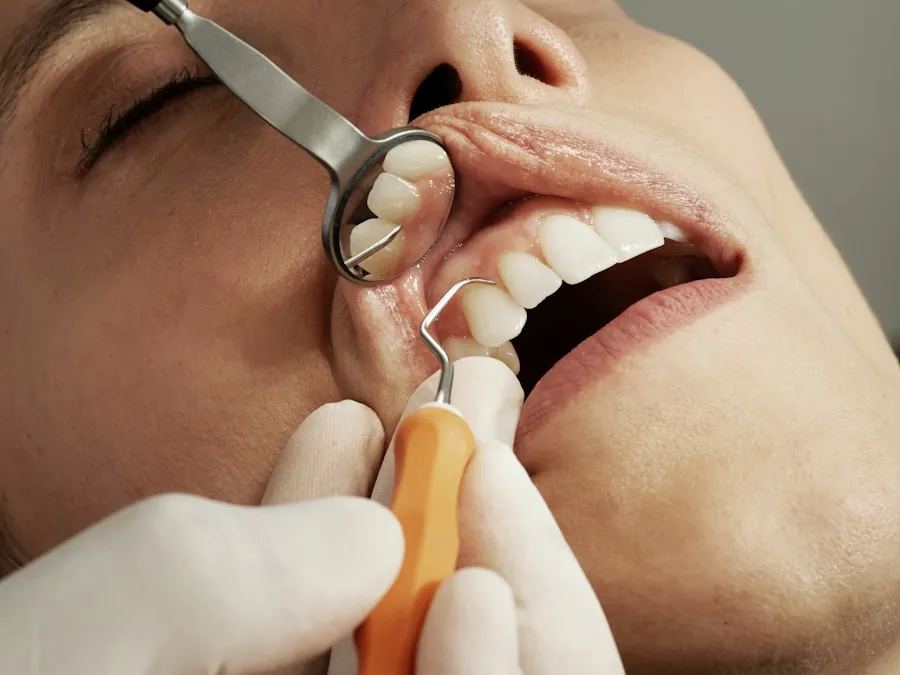
A professional teeth cleaning is a visit in which a dental hygienist or dentist carefully removes plaque (a soft, sticky film of bacteria) and tartar, also called calculus (plaque that has hardened), from the surfaces of your teeth. Tartar can't be brushed away at home once it forms, which is why cleanings are done with special instruments.
A cleaning is often paired with a dental exam. The dentist, who is licensed by their state dental board, looks at your teeth, gums and mouth. Hygienists perform cleanings under state rules and work closely with the dentist.
Not every cleaning is the same. A routine cleaning focuses on the surfaces you can see and the area around the gumline. Some people may be told they need a deeper kind of cleaning, but only a licensed dentist can decide that after an exam. Please don't worry if it's been a while since your last visit. Dental teams are there to help, not to judge.
How it’s traditionally been approached
Professional cleaning has long been a cornerstone of preventive dental care. Traditionally, hand instruments called scalers are used to remove buildup, and many offices also use ultrasonic tools that use gentle vibration and water to loosen it.
After buildup is removed, teeth are commonly polished to smooth their surfaces, and flossing is often done. Some offices also offer a fluoride treatment, which your dentist can explain. How often people are advised to come in has traditionally varied from person to person, so it's best to ask your own dentist.
Dental teams also traditionally share home-care guidance, such as brushing and flossing technique. Many families bring children to a pediatric dentist, a specialist in the care of children's teeth. If gum concerns come up, a periodontist, a dental specialist in gum health, may be part of the conversation.
How the right dentist may help
The right dentist may help by making the visit feel clear and comfortable. A visit generally includes a review of your health history, a cleaning, and an exam. Dentists may also take X-rays when they feel it is appropriate, and they will explain why.
Don't be shy about telling the team you feel anxious. Many practices can slow down, explain each step, agree on a signal for breaks, or talk through comfort options. Sedation is only provided by dentists permitted by their state board, so ask what's available if that interests you.
Helpful questions include: How often should I come in, based on my own mouth? What did you notice about my gums? Is there anything I can do differently at home? If any additional care is suggested, ask for a written treatment plan and estimate. Costs vary by practice, location and case, and it's fine to ask about them up front.

The whole-person view
Your mouth is part of your whole body, and body, mind and stress all affect each other. Stress can influence habits like clenching, snacking or skipping routines, and dental worries can make people put off visits. Being kind to yourself goes a long way.
If dental anxiety feels big, body-based support such as Somatic Experiences may help some people feel more settled, and talk therapy through Therapists.plus is another option some find useful. Either way, a gentle, understanding dentist can be a great partner.
Somatic Experiences: nervous system regulation →Therapists.plus: anxiety panic and ocd →
Keep in mind
- Tuung is educational only and is not dental or medical advice; a licensed dentist must examine you before recommending anything.
- Bleeding gums, bad breath that won't go away, or sore spots are worth mentioning to a dentist, who can find out what's going on. Please don't try to self-diagnose.
- Facial or neck swelling with fever, trouble breathing or swallowing, uncontrolled bleeding, or a serious face or jaw injury is a medical emergency: call 911 or go to the ER. A knocked-out adult tooth needs a dentist right away.
- If you're in emotional distress, you can call or text the 988 Lifeline at any time.
Not sure where to start? Answer a few gentle questions and choose who you’d like to hear from.
Frequently asked questions
What happens during a teeth cleaning?
A hygienist or dentist removes plaque and tartar from your teeth, usually polishes them, and often flosses. A dentist commonly performs an exam as well. Your team can explain each step as it goes.
Does teeth cleaning hurt?
Many people feel pressure or mild sensitivity but not pain, though experiences vary. If your teeth or gums are tender, tell your team so they can adjust or discuss comfort options. You can usually ask for breaks.
How often should I get my teeth cleaned?
It depends on your individual mouth, so your dentist is the best person to advise you. Some people are seen more often than others based on their gum health and history. Ask at your next visit what schedule makes sense for you.
What is the difference between a regular cleaning and a deep cleaning?
A regular cleaning focuses on buildup on the teeth and near the gumline. A deep cleaning goes below the gumline and may be suggested by a dentist or periodontist after an exam. Only a licensed dentist can tell you which applies to you.
Can I clean my teeth at home instead of getting a professional teeth cleaning?
Brushing and flossing at home are important, but they can't remove hardened tartar. Professional cleanings and home care work together. Your dentist can also check for things you can't easily see yourself.
How much does a teeth cleaning cost?
Costs vary by practice, location and individual case, so we can't quote a number. Call the office ahead of time and ask for a written estimate, and ask about coverage if you have insurance. Many offices are happy to talk through options.
Educational resource. Tuung shares general information and connects people with independent dentists. It is not medical advice, diagnosis or treatment. Talk with a licensed professional about your health.