What it is
An oral hygiene routine is the daily care you give your mouth. Most routines include brushing, cleaning between the teeth, and paying attention to the tongue and gums. Some people also use mouth rinses or other tools.
The goal is to remove the sticky film of bacteria called plaque that builds up on teeth and along the gumline. Keeping plaque in check is a traditional way people support healthy teeth and gums over time.
There is no single routine that suits everyone. Braces, crowns, dry mouth, sensitive teeth, gum concerns and age can all change what works well. That's why it helps to have a licensed dentist look at your mouth and talk with you about it.
How it’s traditionally been approached
Traditionally, oral hygiene has centered on brushing with fluoride toothpaste and cleaning between teeth with floss or similar tools. These habits are commonly discussed by dental professionals and widely taught in dental offices and schools.
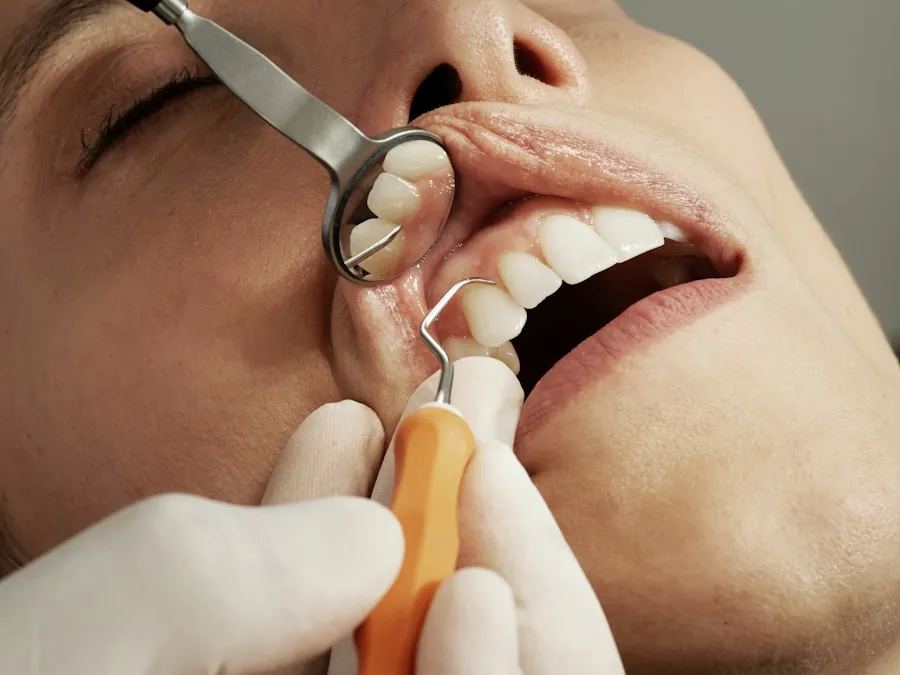
Regular dental exams and professional cleanings have long been part of preventive care. Hygienists clean teeth under their state's rules, and dentists examine the teeth, gums and other tissues of the mouth.
Many people also look at food and drink choices, since frequent sugary or acidic snacks can affect teeth. Approaches differ from person to person, and a dentist can explain the options without judgment.
How the right dentist may help
The right dentist may help you understand what is happening in your mouth and suggest habits that fit your needs. A general or preventive dentist is often a good first stop for cleanings and exams. If gum concerns come up, a periodontist, who is a dental specialist in gum health, may be involved.
A typical visit often includes a conversation about your history and habits, an exam, and possibly X-rays and a cleaning. Many practices will gladly show you how to brush and clean between your teeth. If you feel nervous, tell the team. They hear this often and can go at your pace.
Helpful questions to ask: What parts of my routine are working well? Are there areas I tend to miss? Are there tools that suit my teeth, braces or dental work? How often should I come in for visits? For children, a pediatric dentist can talk about routines suited to growing mouths. Costs vary by practice, location and case, so ask for a written treatment plan and estimate if any care is suggested.

The whole-person view
Your mouth is part of your whole body, and body, mind and stress affect each other. Busy weeks, low energy, worry or tension can make it harder to keep up habits, and stress may show up as clenching or grinding. Being kind to yourself matters. A routine you can keep up is more helpful than a perfect one.
If dental anxiety or stress keeps you from the dentist, support is available. Somatic Experiences offers body-based support that some people find helpful for tension and stress, and Therapists.plus can connect you with talk therapy. Many dental teams will also work with you on ways to feel more at ease.
Somatic Experiences: nervous system regulation →Therapists.plus: anxiety panic and ocd →
Keep in mind
- Tuung is educational only and is not dental or medical advice. Only a licensed dentist can examine you and tell you what's right for your mouth.
- Pain, swelling, bleeding gums or a loose tooth are worth an exam by a licensed dentist. Facial or neck swelling with fever, trouble breathing or swallowing, uncontrolled bleeding, or a serious face or jaw injury is a medical emergency: call 911 or go to the ER.
- A knocked-out adult tooth needs a dentist right away.
- There's no shame in where your teeth are today. Dentists are there to help, not to judge.
Not sure where to start? Answer a few gentle questions and choose who you’d like to hear from.
Frequently asked questions
What is a good oral hygiene routine?
A good oral hygiene routine is one that keeps plaque under control and that you can actually keep up. Most routines include brushing with fluoride toothpaste, cleaning between your teeth, and regular dental visits. A licensed dentist can look at your mouth and suggest what fits you best.
How often should I see a dentist for my oral hygiene routine?
It depends on you. Many people visit for regular exams and cleanings, but the right schedule varies with your health, history and needs. Ask your dentist what timing makes sense for you.
Do I need to floss as part of my oral hygiene routine?
Cleaning between your teeth is traditionally considered part of a routine, because a toothbrush can't reach every surface. Floss is one option, and there are other tools some people find easier. A dentist or hygienist can help you pick one and show you how to use it comfortably.
Is mouthwash necessary in an oral hygiene routine?
Not always. Some people use a rinse and others don't, and the right choice depends on your mouth. Ask your dentist whether a rinse would add anything for you, and which kind. Some rinses are for specific needs.
How can I start an oral hygiene routine for my child?
A pediatric dentist or your family dentist can explain routines suited to your child's age and growing mouth. Many parents find it helps to make it a calm, regular part of the day. Ask the dentist to show you and your child what to do.
What if I'm nervous about going to the dentist?
You're far from alone, and many dental teams are experienced in helping nervous patients feel comfortable. Let the office know when you book, and ask what they can do to help, such as explaining each step or taking breaks. Sedation is available only from dentists permitted by their state dental board, and you can ask whether it's an option.
Educational resource. Tuung shares general information and connects people with independent dentists. It is not medical advice, diagnosis or treatment. Talk with a licensed professional about your health.