What it is
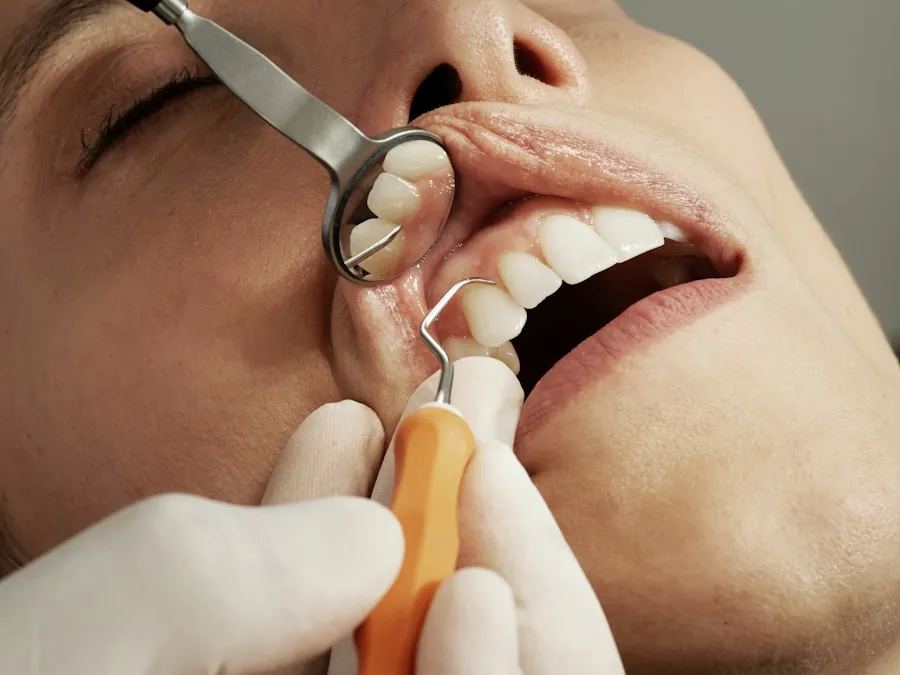
A dentist is a health professional licensed by a state dental board to care for teeth, gums and the other tissues of the mouth. General dentists hold a DDS or DMD degree and typically handle exams, cleanings, X-rays, fillings and many other everyday needs. Hygienists, who work under state rules, often do much of the cleaning.
Some dentists have additional training in a specialty. Periodontists focus on the gums and the structures that support teeth. Pediatric dentists focus on babies, children and teens. Others include orthodontists, endodontists, prosthodontists and oral and maxillofacial surgeons.
When you search for a dentist near me, you'll usually see a mix of general practices and specialists. Many people start with a general dentist, who can talk through your needs and, when it makes sense, suggest a specialist. Everyone starts somewhere, and there's no judgment about how long it's been since your last visit.
How it’s traditionally been approached
Traditionally, dental care has been built around regular checkups and professional cleanings, paired with daily habits at home such as brushing and cleaning between the teeth. This preventive approach aims to notice small things early, before they become bigger ones.
Many people find a dentist through word of mouth, a family doctor's suggestion, a state or local dental society, or their insurance plan's list of participating offices. Others simply search by location, office hours and reviews, which can be a reasonable place to begin.
Dental offices vary in size and style. Some are solo practices, some are group practices, and some are community clinics or dental school clinics. Costs vary by practice, location and case, so it's common to ask about fees and payment options up front.
How the right dentist may help
The right dentist may help you feel informed and at ease. A first visit generally includes a conversation about your health history and concerns, a look at your teeth and gums, and often X-rays. The dentist can then explain what they see in plain English and answer your questions.
Good questions to ask include: What did you find, and what are my options? Is anything urgent, or can some things wait? Can I have a written treatment plan and estimate? How do you help nervous patients feel comfortable? Which services do you handle, and when would you refer me to a specialist?
If dental anxiety is part of the picture, say so. Many dentists are used to working with nervous patients and may offer things like breaks, clear explanations, or other comfort options. Sedation is only given by dentists permitted by their state board, and whether it's appropriate is something to discuss with them.

The whole-person view
Your mouth is part of your whole body, and body, mind and stress affect each other. Stress can show up as jaw clenching or tension, and worry about the dentist can make people put off care. Feeling calmer and more informed can make appointments easier.
If dental fear feels big, some people explore body-based support such as Somatic Experiences, and others find talk therapy through Therapists.plus helpful. These are optional ways to build comfort alongside, not instead of, care from a licensed dentist.
Somatic Experiences: nervous system regulation →Therapists.plus: anxiety panic and ocd →
Keep in mind
- Tuung is educational only and is not dental or medical advice; only a licensed dentist can examine you and recommend what's right for you.
- Facial or neck swelling with fever, trouble breathing or swallowing, uncontrolled bleeding, or a serious face or jaw injury is a medical emergency: call 911 or go to the ER.
- A knocked-out adult tooth needs a dentist right away. Severe pain or signs of infection should also be checked promptly by a licensed professional.
- If you're in emotional distress or crisis, call or text 988. Costs vary by practice, location and case, so ask for a written treatment plan and estimate.
Not sure where to start? Answer a few gentle questions and choose who you’d like to hear from.
Frequently asked questions
How do I find a good dentist near me?
Start by searching your area, asking friends, family or your doctor for suggestions, and checking your insurance plan's list if you have one. Then call the office and ask about new-patient visits, hours, and how they care for nervous patients. Choosing the right fit is personal, and it's fine to try a different office if the first doesn't feel right.
What happens at a first dentist visit?
A first visit usually includes a talk about your health history and concerns, an exam of your teeth and gums, and often X-rays. A cleaning may happen the same day or at a separate visit. The dentist can then explain what they found and your options in plain English.
What should I do if I need a dentist near me for an emergency?
Facial or neck swelling with fever, trouble breathing or swallowing, uncontrolled bleeding, or a serious face or jaw injury is a medical emergency, so call 911 or go to the ER. A knocked-out adult tooth needs a dentist right away. For other urgent pain, call a local dental office and describe what's happening.
Should I see a general dentist or a specialist?
Most people begin with a general dentist, who can examine you and refer you to a specialist if it makes sense. Specialists such as periodontists (gums) or pediatric dentists (children) have additional training. A licensed dentist can help you decide who is the right fit.
Is there a dentist near me for my child?
Yes, many areas have pediatric dentists, who focus on babies, children and teens, and many general dentists also see children. Ask the office whether they welcome kids and how they help young patients feel comfortable. A gentle, friendly first visit can set a positive tone.
What if I'm nervous or haven't been to the dentist in a long time?
You're not alone, and a good dentist will welcome you without judgment. Tell the office about your worries when you book, and ask what comfort options they offer. Taking it one step at a time is perfectly okay.
Educational resource. Tuung shares general information and connects people with independent dentists. It is not medical advice, diagnosis or treatment. Talk with a licensed professional about your health.