What it is
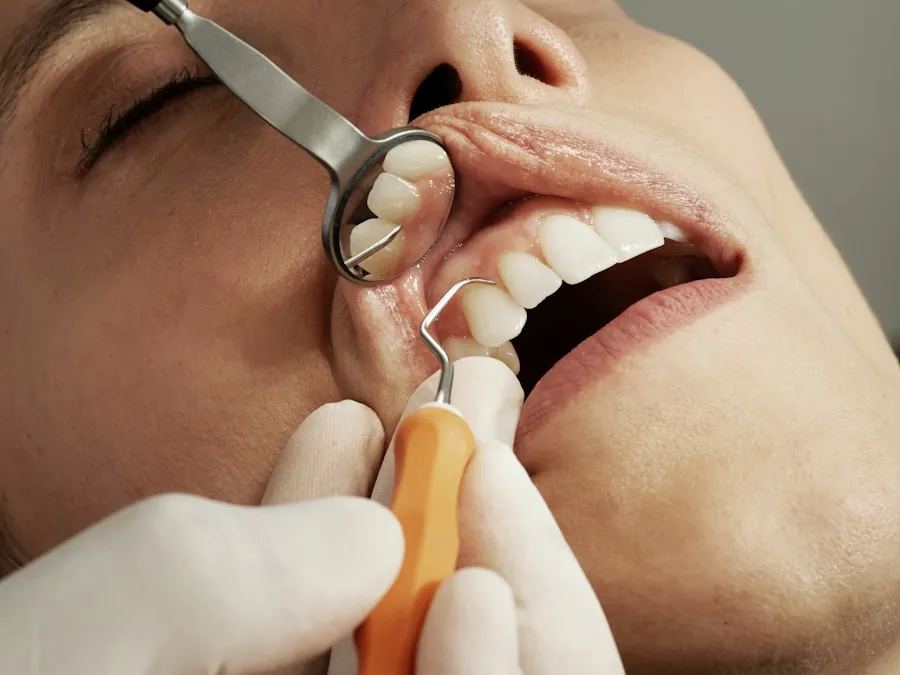
Tongue cleaning is the everyday habit of removing the soft, whitish or yellowish film that can build up on the surface of the tongue. This film can include food debris, bacteria and cells that naturally shed from the mouth. The tongue's surface is textured, so it can hold onto more of this material than smooth teeth do.
People usually clean their tongue for freshness and as one part of a complete oral hygiene routine alongside brushing teeth and cleaning between them. It's a common, normal habit, and there's nothing to feel embarrassed about if you're just starting.
Tongues look different from person to person. A light coating can be very common, but a lasting change in color, texture, soreness or a patch that doesn't go away is worth showing to a licensed dentist. Only an exam can tell you what's going on with your own mouth.
How it’s traditionally been approached
Tongue cleaning has a long history in many cultures, and people have used a range of simple tools over the years. Today the most familiar options are a regular soft toothbrush, a dedicated tongue scraper, or a toothbrush that has a textured pad on the back for the tongue.
A common approach is to start toward the back of the tongue and gently move forward, rinsing the tool as you go. Many people do this after or while brushing, and then rinse their mouth with water. Pressure is generally kept light, because the tongue is sensitive tissue.
Different tools suit different people. Some find scrapers comfortable, while others prefer a brush, and those with a strong gag reflex often work gradually or start nearer the middle of the tongue. There isn't one single right answer, and no approach needs to be criticized. What matters is finding something gentle that you can do comfortably.
How the right dentist may help
A general dentist (DDS or DMD) can look at your tongue, teeth and gums during a routine exam and talk with you about your daily care. If you've wondered whether you're cleaning your tongue the right way, a checkup is a friendly place to ask. Many readers feel nervous about dental visits, and it's completely fine to say so. Dental teams hear it all the time.
During a cleaning and exam, a hygienist typically cleans your teeth under state rules, and the dentist reviews your mouth, including soft tissues like the tongue. They may show you tools and techniques that could fit your comfort level. Whether anything else is advised depends on what the dentist finds in your own exam.
Questions you might bring: Is my tongue's appearance typical for me? What kind of tool might be gentle enough for my gag reflex? How should I fit tongue care into my routine? Does anything about my gums call for a closer look? A periodontist, a specialist in gum health, may be involved if gum concerns come up. For children, a pediatric dentist can show kids and parents age-friendly habits. Ask for any recommendation to be explained in plain English.

The whole-person view
Your mouth is part of your whole body, and body, mind and stress influence one another. Stress, dry mouth, changes in routine and general health can all show up in how your mouth feels. Caring for your mouth can be a small, steady way to feel more at home in your body.
If dental nerves make routines or visits hard, you're not alone. Body-based support such as Somatic Experiences may appeal to some people who carry tension, and talk therapy through Therapists.plus may be helpful for others working through anxiety. These are options to explore at your own pace, alongside care from a licensed dentist.
Somatic Experiences: nervous system regulation →Therapists.plus: anxiety panic and ocd →
Keep in mind
- This page is educational only and is not dental or medical advice; it can't diagnose you or tell you what you need.
- Only an exam by a licensed dentist can tell you what is going on with your tongue or mouth. Costs and plans vary by practice, location and case, so ask for a written treatment plan and estimate if anything is recommended.
- See a dentist if you notice a sore, patch or color change on your tongue that doesn't go away, or ongoing bad breath that doesn't improve.
- Facial or neck swelling with fever, trouble breathing or swallowing, uncontrolled bleeding, or a serious face or jaw injury is a medical emergency: call 911 or go to the ER. If you are in crisis, call or text 988.
Not sure where to start? Answer a few gentle questions and choose who you’d like to hear from.
Frequently asked questions
How do you clean your tongue?
Most people gently brush or scrape the tongue from back to front, rinsing the tool as they go, then rinse the mouth with water. Use light pressure so the tissue isn't irritated. A licensed dentist or hygienist can show you what works comfortably for you.
Should I use a toothbrush or a tongue scraper?
Either can be a reasonable choice, and the best one is the one you can use gently and comfortably. A soft toothbrush is something most people already have, while a scraper is designed specifically for the tongue. If you're unsure, ask your dentist at your next exam.
How often should I clean my tongue?
Many people include it in their daily oral care routine, often when they brush their teeth. The right rhythm can vary from person to person. Your dentist can talk with you about what fits your own mouth.
Why does my tongue have a white coating?
A light coating is commonly made up of food debris, bacteria and shed cells, and it can be quite common. Because many things can change how a tongue looks, only a licensed dentist can tell you what's going on in your own mouth. Have a patch or color change that lasts checked at an exam.
What if cleaning my tongue makes me gag?
This is very common, and you're not doing anything wrong. Many people go slowly, start closer to the middle of the tongue, or try a different tool. Mention it at your dental visit, because your dental team can suggest gentle ideas.
Can kids clean their tongues?
Parents often ask about this, and a pediatric dentist is a great person to guide you on age-appropriate habits. Children usually need help and supervision with oral care, and tools should be gentle. Ask at your child's next dental visit what is right for their age.
Educational resource. Tuung shares general information and connects people with independent dentists. It is not medical advice, diagnosis or treatment. Talk with a licensed professional about your health.