What it is
General dentistry is the everyday care of teeth, gums and the mouth, provided by a dentist (DDS or DMD) licensed by their state dental board. Preventive dentistry is the part focused on keeping problems from starting or getting bigger. Most people see a general dentist as their regular dental home.
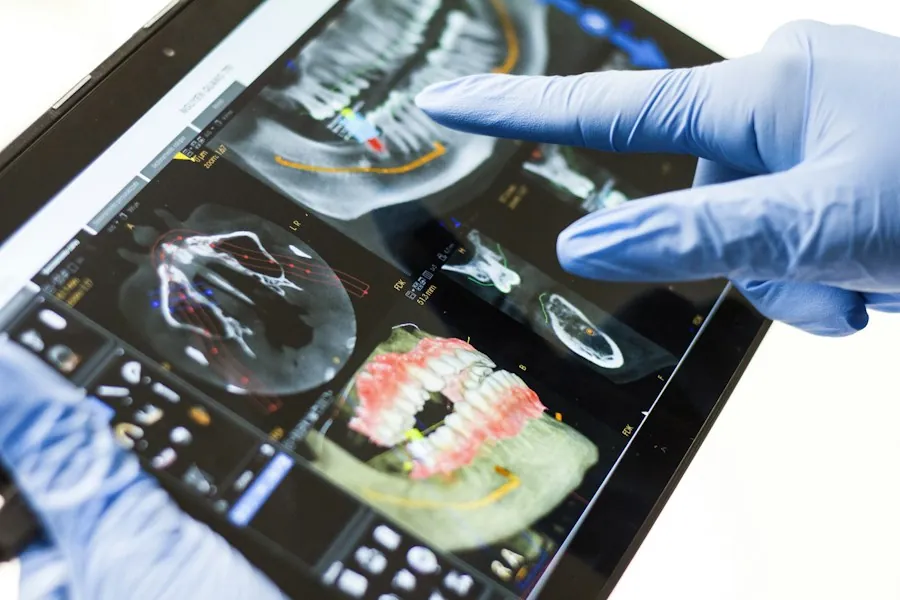
Common preventive services include dental cleanings (often done by a dental hygienist working under state rules), a checkup and exam by the dentist, and dental X-rays when the dentist decides they're useful. Fluoride treatments and sealants are also part of preventive care. Sealants are thin protective coatings placed on chewing surfaces, and they're often discussed for children, though dentists may talk about them for others too.
An oral cancer screening is a visual and hands-on check of the lips, tongue, cheeks, gums, floor of the mouth and throat area. It's usually a quick part of an exam. It's a screening, not a diagnosis, and any finding that needs follow-up is handled by licensed professionals.
How it’s traditionally been approached
Traditionally, people have been encouraged to see a dentist on a regular schedule for cleanings and exams. How often varies from person to person, and a dentist can talk with you about a schedule that fits your mouth and your history.
Cleanings have long focused on removing plaque and tartar buildup that brushing and flossing at home can miss. Exams look at teeth, gums, existing dental work, bite and the soft tissues of the mouth. X-rays let dentists see between teeth and below the gumline, areas that can't be seen by eye alone.
Fluoride and sealants have been used for many years as ways to help protect tooth surfaces. Home care, such as brushing, cleaning between teeth and mindful eating habits, has always been seen as a partner to professional visits. Different dental offices have different styles and technologies, and that's normal.
How the right dentist may help
The right dentist may help by making routine care feel comfortable and clear. A first visit with a new dentist often includes a conversation about your health history, any concerns or fears, a look at your teeth and gums, possibly X-rays, and a cleaning, though some offices split these into separate visits.
You're welcome to say you're nervous. Many dental offices are used to anxious patients and may offer ways to help you feel more at ease, such as explaining each step, pausing when you ask, or discussing comfort options. Nobody should shame you about the state of your teeth or how long it's been since your last visit. Starting fresh is common.
Good questions to ask include: What did you find today? Is anything urgent, or can it wait? Do I need X-rays, and why? How often should I come back? Can I get a written treatment plan and estimate if anything is recommended? Costs vary by practice, location and case, so it's fine to ask about fees and insurance before you book.

The whole-person view
Your mouth is part of your whole body, and body, mind and stress all affect each other. Stress can show up as clenching or grinding, changes in eating or brushing routines, or putting off appointments. Dental anxiety is very common, and caring for your mouth can be one way of caring for your overall well-being.
If stress or nervousness is making dental visits hard, body-based support such as that listed through Somatic Experiences may be one thing some people explore. Others find talk therapy through Therapists.plus helpful for worries about dental care. Both are optional, and your dentist can also work with you on a comfortable pace.
Somatic Experiences: nervous system regulation →Therapists.plus: anxiety panic and ocd →
Keep in mind
- Tuung is educational only and is not dental or medical advice. Only a licensed dentist can examine you, diagnose a problem and recommend care.
- Facial or neck swelling with fever, trouble breathing or swallowing, uncontrolled bleeding, or a serious face or jaw injury is a medical emergency. Call 911 or go to the ER.
- A knocked-out adult tooth needs a dentist right away. Ongoing tooth pain or swelling should be seen promptly by a dentist.
- Costs, coverage and recommended visit schedules vary, so ask for a written treatment plan and estimate. If you're ever in emotional crisis, call or text 988.
Dentists
We’re welcoming founding dentists for general & preventive dentistry (cleanings & exams) now. Get matched or list your practice.
Frequently asked questions
What happens at a dental checkup and cleaning?
A typical visit includes a review of your health history, a cleaning to remove plaque and tartar, and an exam by the dentist of your teeth, gums and mouth. X-rays may be taken if the dentist feels they're helpful. Exact steps vary by office, so feel free to ask what to expect when you book.
How often should I get my teeth cleaned?
There isn't one schedule that fits everyone. Many people are advised to visit on a regular routine, but your dentist can suggest a timing based on your mouth and history after an exam. If it's been a while, that's okay, and a new visit is a good place to start.
How do I find a new dentist near me?
Start by looking for a licensed general dentist (DDS or DMD) in your area, and consider things like location, office hours, comfort with nervous patients and whether they work with your insurance. You can use a directory like Tuung to browse independent dentists. Many offices will answer questions by phone before your first visit.
Are dental X-rays necessary?
Dental X-rays are a tool dentists use to see areas they can't see by eye, like between teeth or below the gums. Whether you need them depends on your situation, and the dentist decides after talking with you. It's always fine to ask why they're recommended and how often.
What are dental sealants and fluoride treatments?
Sealants are thin protective coatings placed on the chewing surfaces of teeth, and fluoride treatments are applied to the teeth as a preventive measure. Both are commonly discussed in preventive dentistry. A dentist can explain whether they may be appropriate for you or your child.
What is an oral cancer screening?
An oral cancer screening is a quick check of the mouth, tongue, cheeks, gums and throat area for anything unusual, often done during a regular exam. It is a screening and not a diagnosis. If something needs a closer look, a licensed dentist or other professional will explain the next steps.
Educational resource. Tuung shares general information and connects people with independent dentists. It is not medical advice, diagnosis or treatment. Talk with a licensed professional about your health.