What it is
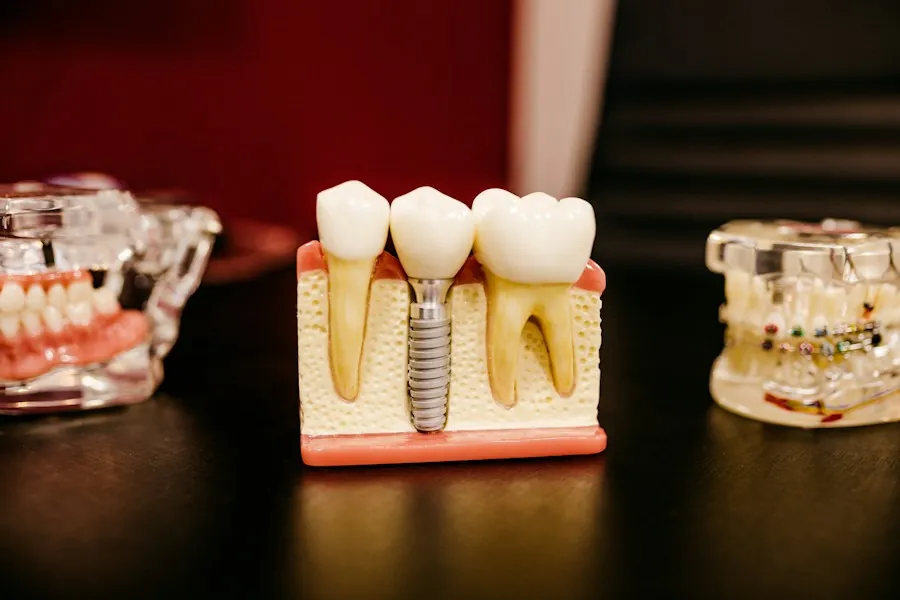
Implant-supported dentures are a set of replacement teeth that connect to small posts, called dental implants, placed in the jawbone. The denture may snap onto the implants or be fixed in place, depending on the design.
They are different from traditional dentures, which rest on the gums and are held by fit and sometimes adhesive. With implant support, the denture has anchor points that may help it feel more secure.
Some versions can be removed for cleaning at home, while others are fixed and removed only by the dentist. Which style is suitable depends on your mouth, your goals and an exam by a licensed dentist.
How it’s traditionally been approached
Complete dentures have long been a common way to replace missing teeth. They are made from impressions of the mouth and rest on the gums and the ridges beneath them.
Dental implants came into use later as a way to give replacement teeth a more stable base. Combining implants with dentures became one approach for people who wanted more stability than gum-supported dentures alone.
Different dentists and specialists approach this in different ways. Some people choose traditional dentures, some choose implant-supported options, and others choose partials, bridges or other solutions. Each approach has its own considerations.
How the right dentist may help
A general dentist, prosthodontist, periodontist or oral and maxillofacial surgeon may be involved, depending on the case. A first visit often includes a conversation about your goals, a look at your mouth and health history, and possibly X-rays or 3D imaging. Only a licensed dentist can tell you what is appropriate for you.
Helpful questions to ask: Am I a candidate, and what factors affect that? What are the options, including ones that don't involve implants? Who will place the implants and who will make the teeth? How long does the process take, and what is the follow-up and care routine?
Costs vary by practice, location and case, so ask for a written treatment plan and estimate before deciding. If you feel nervous, tell the team. Many dental offices are happy to go at your pace and explain each step, and there is no shame in any starting point.

The whole-person view
Your mouth is part of your whole body. Chewing comfort, speech, how you feel about your smile and everyday stress can all influence each other. Changes in teeth can affect confidence and eating, and worry about dental visits can affect the body too.
If dental anxiety or stress is part of your story, body-based support such as Somatic Experiences may complement your dental care, and talk therapy through Therapists.plus is another option some people find helpful. These approaches are not a replacement for a dentist's exam.
Somatic Experiences: nervous system regulation →Therapists.plus: anxiety panic and ocd →
Keep in mind
- Tuung is educational only and does not give dental or medical advice; a licensed dentist must examine you and decide what is right for you.
- Dental implants and related devices are regulated, and only a licensed clinician can decide what is appropriate after an evaluation, so ask your provider about the materials and devices they use.
- Facial or neck swelling with fever, trouble breathing or swallowing, uncontrolled bleeding, or a serious face or jaw injury is a medical emergency. Call 911 or go to the ER.
- A knocked-out adult tooth needs a dentist right away. If you are in emotional crisis, call or text 988.
Not sure where to start? Answer a few gentle questions and choose who you’d like to hear from.
Frequently asked questions
What are implant-supported dentures?
Implant-supported dentures are replacement teeth that attach to dental implants placed in the jawbone instead of relying only on the gums. They may be removable or fixed, depending on the design. A licensed dentist can explain which types may fit your situation.
How are implant-supported dentures different from regular dentures?
Regular dentures rest on the gums, while implant-supported dentures connect to implants for added anchoring. Many people explore them for a more stable feel. Whether they are right for you depends on an exam.
Am I a candidate for implant-supported dentures?
Only a licensed dentist can tell you after an exam and review of your health history and imaging. Factors such as jawbone, gum health and overall health are commonly discussed. Ask your dentist what applies to you.
How much do implant-supported dentures cost?
Costs vary by practice, location and case, so there is no single answer. Ask for a written treatment plan and estimate, and ask what is and isn't included. You can also ask about payment options and what your insurance may cover.
Who places implant-supported dentures?
Depending on the case, a general dentist, prosthodontist, periodontist or oral and maxillofacial surgeon may be involved, sometimes as a team. Dentists are licensed by their state dental board, and specialists have additional training. Ask about your provider's experience with this kind of care.
Can I get implant-supported dentures if I'm nervous about the dentist?
Yes, many people with dental anxiety receive dental care, and you can tell the office how you feel. Ask what to expect at each step and what comfort options the practice offers. Sedation is given only by dentists permitted by their state board.
Educational resource. Tuung shares general information and connects people with independent dentists. It is not medical advice, diagnosis or treatment. Talk with a licensed professional about your health.