What it is
A dental implant is a small post, usually made of a biocompatible material such as titanium, that is placed in the jawbone to act as a replacement for a tooth root. A crown, bridge or denture can then be attached to it. Many people think of it as a sturdy anchor for a replacement tooth.
Implants come in several forms. A single-tooth implant replaces one missing tooth. An implant bridge uses implants to support a bridge that replaces several teeth in a row. Implant-supported dentures use a few implants to help hold a full or partial denture in place.
Bone grafting is a related procedure sometimes discussed alongside implants. It involves adding bone material to the jaw area so there is more support for an implant. Whether it's part of anyone's care is something only a licensed dentist can determine after an exam.
How it’s traditionally been approached
Traditionally, a missing tooth has been replaced with a removable partial denture, a fixed bridge supported by neighboring teeth, or a full denture when many teeth are missing. These options remain widely used, and each has its own considerations.
Implants became a more common option as dental materials and imaging improved. They are often discussed when someone wants a replacement that does not rely on neighboring teeth for support, or wants a denture to feel more secure.
Care often involves several steps over time, and may involve different team members, such as a general dentist, an oral and maxillofacial surgeon, a periodontist or a prosthodontist. These specialists have additional training beyond dental school. The exact approach depends on the individual, and not every option suits every person.
How the right dentist may help
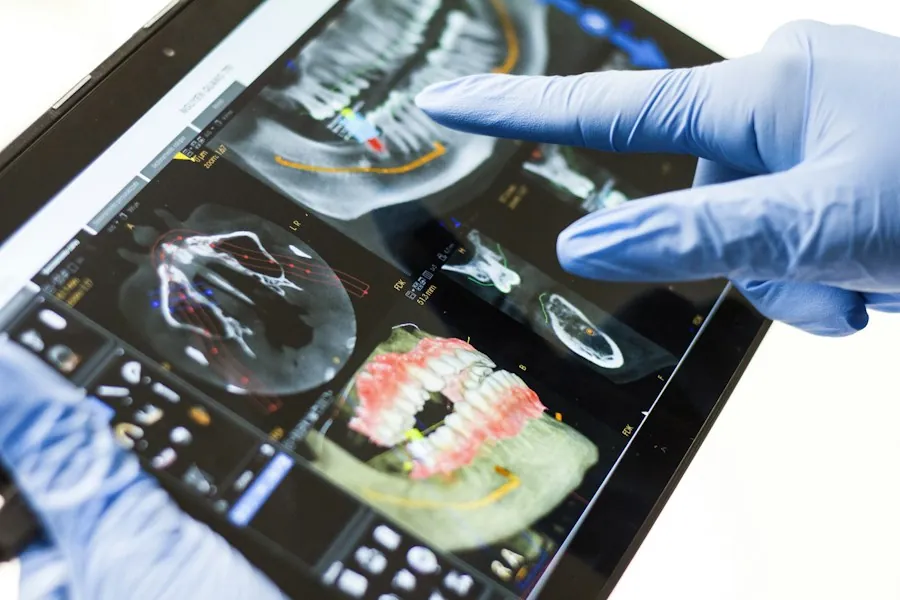
The right dentist may help by starting with a conversation and an exam. A first implant consultation often includes a review of your health history, a look at your mouth and gums, and imaging such as X-rays or 3D scans so the dentist can see the bone and surrounding teeth. There is no pressure to decide that day.
A good dentist may explain the options in plain English, including implants and alternatives, and what each could mean for you. Helpful questions include: Am I a candidate, and why or why not? What alternatives should I consider? Who will place the implant and who will make the crown? Is bone grafting something I might need?
It's also fair to ask about the timeline, what healing and follow-up care look like, and how to care for implants at home. Costs vary by practice, location and case, so ask for a written treatment plan and estimate. If you feel nervous, tell the team. Many practices can talk through comfort options, and sedation is offered only by dentists permitted by their state dental board.

The whole-person view
Your mouth is part of your whole body. Stress, sleep, nutrition and overall health can all affect how you feel about your teeth and how your body heals. Missing teeth can also touch confidence, eating comfort and how you feel in social settings, and feelings about dental visits are completely valid.
If dental anxiety or stress feels big, support is available. Somatic Experiences offers body-based support that some people find helpful for calming the nervous system, and Therapists.plus can connect you with talk therapy. These are complementary ways to care for yourself alongside a conversation with a licensed dentist.
Somatic Experiences: nervous system regulation →Therapists.plus: anxiety panic and ocd →
Keep in mind
- This page is educational only and is not dental or medical advice; only a licensed dentist can evaluate you and recommend what is appropriate.
- Dentists (DDS/DMD) are licensed by their state dental board, and costs, timelines and results vary by practice, location and individual case. Ask for a written treatment plan and estimate.
- Facial or neck swelling with fever, trouble breathing or swallowing, uncontrolled bleeding, or a serious face or jaw injury is a medical emergency. Call 911 or go to the ER. A knocked-out adult tooth needs a dentist right away.
- If dental worries ever feel overwhelming or you're in emotional crisis, call or text the 988 Lifeline.
Dentists
We’re welcoming founding dentists for dental implants now. Get matched or list your practice.
Frequently asked questions
What are dental implants?
Dental implants are small posts, often made of titanium, placed in the jawbone to stand in for a missing tooth root. A crown, bridge or denture can then be attached to them. A licensed dentist can tell you whether they may be an option for you.
How do I find dental implants near me?
Start by searching for licensed dentists in your area who offer implant services, and look at whether they are a general dentist or a specialist such as an oral surgeon, periodontist or prosthodontist. Many offer an implant consultation where you can ask questions. You can also check a dentist's license with your state dental board.
What happens at an implant consultation?
A consultation generally includes a review of your health history, an exam of your mouth, and imaging so the dentist can look at your bone and teeth. The dentist may then explain options and answer questions. You can ask for a written treatment plan and estimate before deciding anything.
Is bone grafting always needed for implants?
No, bone grafting is not needed for everyone. It is sometimes discussed when there may not be enough bone to support an implant, and only a licensed dentist can determine this after an exam and imaging.
Who places dental implants?
Dental implants may be placed by general dentists with the right training or by dental specialists such as oral and maxillofacial surgeons and periodontists. A prosthodontist often designs the replacement teeth. It's reasonable to ask any provider about their training and experience with implants.
How much do dental implants cost?
Costs vary by practice, location and case, so there is no single answer. Factors can include how many teeth are being replaced and whether other procedures are involved. Ask for a written treatment plan and estimate, and ask about insurance and payment options.
Educational resource. Tuung shares general information and connects people with independent dentists. It is not medical advice, diagnosis or treatment. Talk with a licensed professional about your health.