What it is
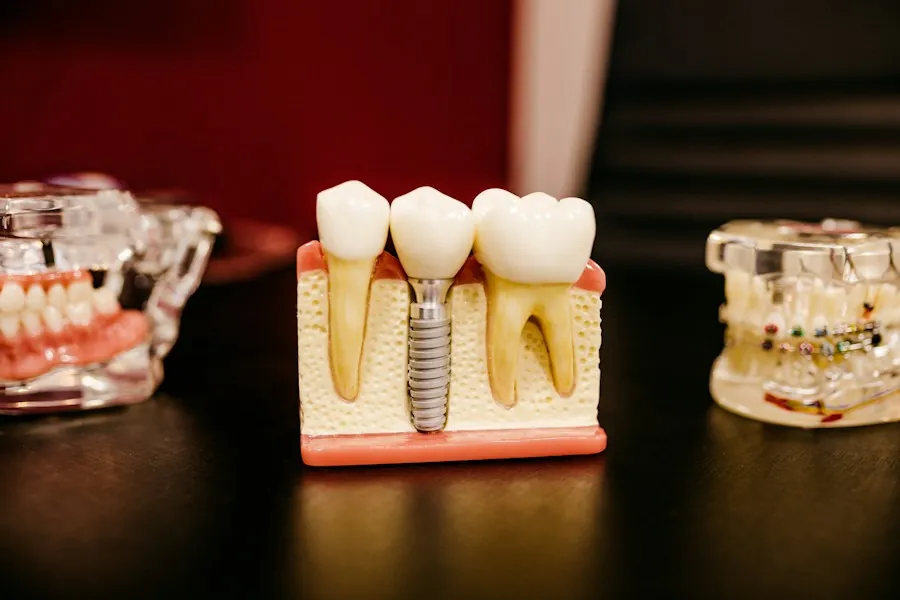
A dental crown is a custom-made covering that fits over a tooth, much like a cap. It surrounds the visible part of the tooth above the gum line and can help restore its shape, size, strength and look.
Crowns can be made from different materials, such as porcelain, ceramic, metal or combinations of these. Each has its own look and feel, and the right choice depends on the tooth, your bite and your preferences. A dentist can walk you through the options.
Crowns are also used as part of other dental work. For example, a crown may sit on top of a dental implant or anchor a dental bridge. That's why you'll often see crowns discussed alongside implants and bridges.
How it’s traditionally been approached
Traditionally, dentists have used crowns when a tooth is cracked, worn down, heavily filled, or has had significant decay removed. They have also been used to cover a tooth after root canal treatment, and to improve the look of a misshapen or discolored tooth.
The classic approach involves a dentist examining the tooth, often with X-rays, then reshaping the tooth so a crown can fit over it. An impression or digital scan is used to make the crown, and a temporary one may be worn while the final one is prepared.
Some offices make crowns with in-office milling technology, while others send the impression or scan to a dental lab. Both approaches are well established, and practices vary in what they offer. Whether a crown is appropriate is always a decision for you and a licensed dentist.
How the right dentist may help
The right dentist may help by examining your tooth, explaining what they see in plain language, and talking through whether a crown or another option could make sense. A good dentist will listen to your concerns, including nervousness, and go at a pace that feels comfortable.
A crown visit is generally a conversation first. Expect questions about your symptoms and history, an exam, and possibly X-rays. If a crown is recommended, the dentist can explain the steps, the number of visits, the numbing options, and what the temporary stage is like.
Helpful questions to ask: Why is a crown being suggested for this tooth? Are there other options? What materials could be used, and what are the pros and cons of each? What does the process look like from start to finish? Can I get a written treatment plan and estimate? Costs vary by practice, location and case, so it's fine to ask about them up front, including what your insurance may cover.

The whole-person view
Your mouth is part of your whole body, and body, mind and stress affect each other. Stress can show up as clenching or grinding, which may affect teeth, and dental worry can make people put off care. Neither is something to feel ashamed of; many people feel the same way.
If dental anxiety or stress is part of your story, you may find extra support helpful. Somatic Experiences offers body-based support for stress, and Therapists.plus can connect you with talk therapy. Many dentists are also happy to talk about ways to make visits feel calmer.
Somatic Experiences: nervous system regulation →Therapists.plus: anxiety panic and ocd →
Keep in mind
- Tuung is educational only and is not dental or medical advice; only a licensed dentist can examine you and decide whether a crown is appropriate.
- Dentists (DDS/DMD) are licensed by their state dental board. Some cases may involve a specialist, such as a prosthodontist or endodontist, who has additional training.
- Facial or neck swelling with fever, trouble breathing or swallowing, uncontrolled bleeding, or a serious face or jaw injury is a medical emergency. Call 911 or go to the ER. A knocked-out adult tooth needs a dentist right away.
- Ask for a written treatment plan and estimate, since costs vary by practice, location and case. In a mental health crisis, call or text 988.
Not sure where to start? Answer a few gentle questions and choose who you’d like to hear from.
Frequently asked questions
What is a dental crown?
A dental crown is a custom-made cap that a dentist places over a tooth to cover it and help restore its shape, strength and appearance. It can be made from materials like porcelain, ceramic or metal. A licensed dentist can tell you if one makes sense for you after an exam.
Why would someone need a dental crown?
A dentist may suggest a crown for a cracked, worn or heavily restored tooth, or one that has had a root canal. Crowns are also used on top of implants and to hold bridges. Only a dentist who has examined you can say whether a crown is right in your case.
What is a dental crown made of?
Crowns are commonly made from porcelain, ceramic, metal alloys, or a combination of these. Each has a different look, feel and set of trade-offs. Your dentist can explain which materials they offer and why one might suit a particular tooth.
Does getting a dental crown hurt?
Dentists typically numb the area so the visit is meant to be comfortable, though experiences vary. Some people notice sensitivity afterward. If you're nervous, tell your dentist, as many offer ways to help you feel at ease, and ask about what to expect for your situation.
How many visits does a dental crown take?
It depends on the practice and the case. Some offices use in-office technology, while others work with a dental lab and may use a temporary crown in between visits. Ask your dentist to explain the timeline for your tooth.
How much does a dental crown cost?
Costs vary by practice, location, materials and the needs of the case, so there's no single answer. Ask your dentist for a written treatment plan and estimate, and check with your insurance plan about what it may cover. It's okay to ask about payment options too.
Educational resource. Tuung shares general information and connects people with independent dentists. It is not medical advice, diagnosis or treatment. Talk with a licensed professional about your health.