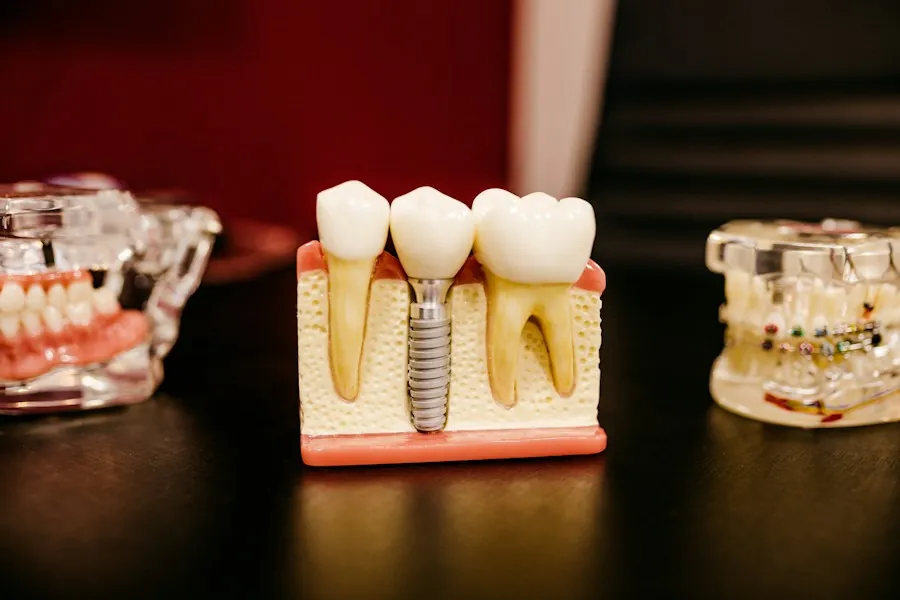
What it is
A partial denture is a removable appliance that holds one or more replacement teeth. The replacement teeth are attached to a gum-colored base, and the whole piece is made to fit the spaces where natural teeth are missing.
Many partial dentures stay in place using small clasps or connectors that rest against nearby natural teeth. Some designs use other attachments, and materials vary. A dentist can explain which designs and materials exist and which may be suitable after an exam.
Partial dentures are different from full (complete) dentures, which replace all the teeth in an upper or lower arch. They are also different from bridges and dental implants, which are other ways dentists may approach missing teeth. Many people feel nervous about this topic, and that is completely normal.
How it’s traditionally been approached
Traditionally, partial dentures have been one of the common ways dentists replace several missing teeth when some natural teeth remain. They are often discussed as a removable option that can be taken out for cleaning.
The usual process involves a dental exam, impressions or digital scans of the mouth, and one or more fittings to check comfort and bite. Dentists and dental laboratories work together to craft the appliance, and adjustments after delivery are a normal part of the process.
Other approaches include fixed bridges, dental implants, or in some cases leaving a space as is. Each has different considerations for comfort, upkeep, and the health of nearby teeth. Costs vary by practice, location and case, so it helps to ask for a written treatment plan and estimate.
How the right dentist may help
The right dentist may help by examining your teeth, gums and bite, talking with you about your goals, and explaining which replacement options might be worth considering. A general dentist can often discuss partial dentures, and a prosthodontist is a specialist with additional training in replacing teeth.
A visit is generally a conversation first. Expect questions about your health history and comfort, a look at your mouth, and possibly X-rays. You are welcome to share any worries about the dentist; a good practice will move at a pace that feels comfortable.
Helpful questions to ask: What options do I have besides partial dentures? How will this affect my remaining teeth and gums? What materials are used? How do I clean and care for it? How many visits should I expect, and what is the written estimate? What happens if it needs adjusting or repair?

The whole-person view
Your mouth is part of your whole body, and how you feel about your smile, chewing and speaking can connect with your mood, confidence and stress. Changes like missing teeth can feel emotional for some people, and that is nothing to be ashamed of. Stress and tension can also show up in the jaw and mouth.
Some people find body-based support helpful for stress, and Somatic Experiences is one resource for exploring that. Others find talking through feelings about their health or appearance useful, and Therapists.plus can help you find talk therapy. Neither replaces a dental exam, but caring for the whole person can make dental visits feel easier.
Somatic Experiences: nervous system regulation →Therapists.plus: anxiety panic and ocd →
Keep in mind
- Only a licensed dentist can examine you and decide whether partial dentures or another option is appropriate; this page does not diagnose or recommend treatment.
- Costs, timelines and comfort vary by practice, location and case, so ask for a written treatment plan and estimate before starting.
- Facial or neck swelling with fever, trouble breathing or swallowing, uncontrolled bleeding, or a serious face or jaw injury is a medical emergency: call 911 or go to the ER. A knocked-out adult tooth needs a dentist right away.
- If dental pain, swelling or infection signs appear, contact a dentist promptly rather than waiting.
Not sure where to start? Answer a few gentle questions and choose who you’d like to hear from.
Frequently asked questions
What are partial dentures?
Partial dentures are removable appliances that replace some missing teeth while you keep your remaining natural teeth. They usually have replacement teeth on a gum-colored base and may attach to nearby teeth. A licensed dentist can tell you whether they might suit you.
Are partial dentures the same as full dentures?
No, partial dentures replace only some teeth, while full dentures replace all the teeth in an upper or lower arch. Partials are designed to work alongside your remaining natural teeth. A dentist can explain the differences during an exam.
How do partial dentures stay in place?
Many partial dentures stay in place with small clasps or connectors that rest against neighboring natural teeth. Other attachment designs also exist. Your dentist can explain what a particular design involves.
Can I take partial dentures out?
Yes, partial dentures are generally designed to be removable so they can be cleaned. Your dentist can explain how and when to remove them and how to care for them.
How much do partial dentures cost?
Costs vary by practice, location, materials and your individual case. Ask your dentist for a written treatment plan and estimate, and ask what your insurance may or may not cover by checking with your plan.
Who makes partial dentures?
Licensed dentists (DDS or DMD) typically prescribe and fit partial dentures, often working with a dental laboratory. Prosthodontists are dental specialists with additional training in replacing teeth. Your state dental board licenses dentists.
Educational resource. Tuung shares general information and connects people with independent dentists. It is not medical advice, diagnosis or treatment. Talk with a licensed professional about your health.