What it is
A dental crown is a custom-made cap that covers a tooth. Crowns can be made from porcelain, ceramic, metal or combinations of materials. A dentist may suggest one when a tooth is cracked, heavily filled, worn down or has had other work that leaves it needing extra support.
A dental bridge helps fill the space left by one or more missing teeth. It typically uses neighboring teeth, or dental implants, as anchors to hold a replacement tooth in place. Your dentist can explain which kinds of bridges exist and whether any might apply to you.
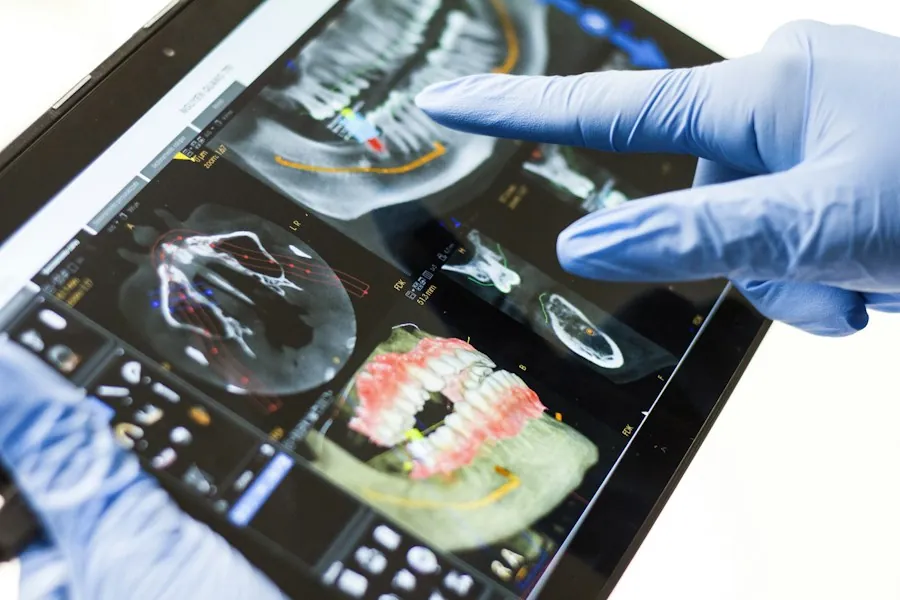
Fillings, inlays and onlays are related restorations for smaller or moderate damage. A filling is placed directly in the tooth. Inlays and onlays are made to fit and are then bonded in place, and they sit between a filling and a full crown in how much of the tooth they cover. Some offices also offer same-day crowns, made in the office with digital scanning and milling equipment.
How it’s traditionally been approached
For many years, crowns were made in a multi-step process. The dentist reshaped the tooth, took an impression, and placed a temporary crown while a dental lab made the final one. The patient then returned for a second visit to have the final crown fitted and cemented.
Newer digital methods now exist alongside the traditional approach. Some practices use scanners instead of impression material, and some can make a crown during a single appointment. Both approaches are widely used, and which one suits a given tooth is a decision for the dentist and patient together.
Bridges and other restorations have also changed over time, with a range of materials and designs available. Dentists generally weigh the tooth's condition, the surrounding teeth, bite forces, gum health and personal preferences. Some people also discuss implants or partial dentures as other ways to replace missing teeth.
How the right dentist may help
The right dentist may help by starting with a careful exam, often including X-rays, to understand what is going on with the tooth and the teeth around it. They can explain what they see in plain English, go over the options, and answer your questions without pressure. If you feel nervous, it's completely fine to say so. Many dentists are glad to go at your pace.
A visit for a crown or bridge generally involves numbing the area, preparing the tooth or teeth, and taking a scan or impression. Depending on the office and the case, you may leave with a temporary restoration or a final one. Your dentist can tell you what to expect, how long visits may take and how to care for the work afterward.
Helpful questions to ask include: What are my options, and what are the pros and cons of each? What material do you suggest and why? Will I need a specialist? What happens if I wait? Can I have a written treatment plan and estimate, including what insurance may cover? Costs vary by practice, location and case, so getting this in writing can help you plan.

The whole-person view
Your mouth is part of your whole body, and body, mind and stress affect each other. Stress can show up as clenching or grinding, and a painful or missing tooth can affect how you eat, speak, sleep and feel about smiling. Caring for your teeth can be one piece of caring for your overall well-being.
If dental visits make you anxious, you're far from alone, and there's no shame in it. Body-based support such as Somatic Experiences may be one resource some people explore for stress held in the body, and talk therapy through Therapists.plus may be another for dental fear or worry. Neither replaces dental care, and either can be a complement to it.
Somatic Experiences: nervous system regulation →Therapists.plus: anxiety panic and ocd →
Keep in mind
- Tuung is educational only and is not dental or medical advice. Only a licensed dentist can examine you, make a diagnosis and recommend what is appropriate for you.
- Facial or neck swelling with fever, trouble breathing or swallowing, uncontrolled bleeding, or a serious face or jaw injury is a medical emergency. Call 911 or go to the ER.
- If an adult tooth is knocked out, see a dentist right away. Other tooth pain or a broken tooth is also worth having checked soon.
- Costs, materials and timelines vary by practice, location and case. Ask for a written treatment plan and estimate, and feel free to ask questions or get a second opinion.
Dentists
We’re welcoming founding dentists for crowns & bridges now. Get matched or list your practice.
Frequently asked questions
What is a dental crown?
A dental crown is a custom-made cap that fits over a tooth to cover and support it. Crowns can be made of porcelain, ceramic, metal or a combination. A licensed dentist can tell you after an exam whether a crown is something to consider for your tooth.
What is a dental bridge?
A dental bridge is a restoration that helps replace one or more missing teeth by connecting a replacement tooth to anchors on either side. Those anchors may be natural teeth or dental implants. Your dentist can explain which options might apply to you.
Can a broken or cracked tooth be repaired?
Often there are ways dentists can repair a broken or cracked tooth, but it depends on the type, location and extent of the damage. Options can range from a filling or bonding to an onlay or crown, and sometimes more. Only a dentist can examine the tooth and explain what may be appropriate, so it's wise to be seen soon.
What is a same-day crown?
A same-day crown is a crown that is designed and made in the dentist's office, often using digital scanning and milling equipment, so it may be placed in one visit. Not every office offers it, and it may not suit every tooth. Ask your dentist whether it's an option for you.
What is the difference between an inlay, an onlay and a crown?
Inlays and onlays are made-to-fit restorations that repair part of a tooth, while a crown covers the whole visible part of the tooth. An inlay sits within the biting surface, and an onlay covers more of it, including one or more points of the tooth. Your dentist can explain which, if any, fits your situation.
How much do crowns and bridges cost?
Costs vary by practice, location, materials and the needs of each case, so there is no single answer. Ask your dentist for a written treatment plan and estimate, and check with your insurance about what it may cover. Many offices are happy to talk through payment questions with you.
Educational resource. Tuung shares general information and connects people with independent dentists. It is not medical advice, diagnosis or treatment. Talk with a licensed professional about your health.