What it is
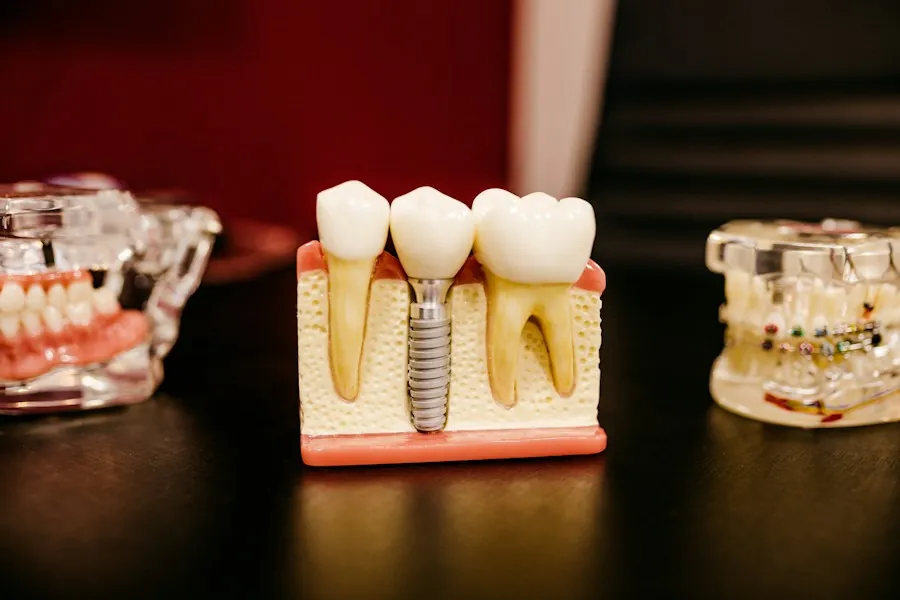
A dental implant is a small post, usually made of titanium or a similar material, that a dentist or dental specialist places in the jawbone. Over time the bone may grow around it, and a replacement tooth, called a crown, can then be attached on top. Implants can replace one tooth, several teeth, or help support a larger set of teeth.
Dentures are removable replacement teeth. A complete denture replaces all the teeth on the upper or lower arch, and a partial denture fills gaps while attaching to remaining natural teeth. Dentures typically rest on the gums, and some designs can also snap onto implants for extra stability.
Neither option is automatically better for everyone. The right fit depends on things like the health of your gums and jawbone, your overall health, your comfort, your goals and your budget. Only a licensed dentist can evaluate your mouth and discuss which options may be appropriate for you.
How it’s traditionally been approached
Dentures have been used for a very long time and remain a familiar way to replace missing teeth. They are generally made from impressions or scans of the mouth, and adjustments are common as the mouth changes over time. Many people appreciate that they are removable and can be cleaned outside the mouth.
Dental implants are a newer approach that has become widely available in general and specialty dental practices. The process often happens in stages, and it can involve a surgical step and a healing period before the final tooth is attached. Dentists, oral and maxillofacial surgeons, periodontists and prosthodontists may be involved, depending on the case.
Crowns and bridges are related options. A bridge uses neighboring teeth to support a replacement tooth, while an implant-supported crown stands on its own post. Each approach has its own considerations, and many people discuss several of them with their dentist before deciding.
How the right dentist may help
A good first visit usually starts with a conversation about your history, your concerns and what matters most to you, such as chewing comfort, appearance or ease of care. The dentist will typically examine your teeth, gums and bite, and may take X-rays or 3D scans. If you feel nervous, it is completely fine to say so. Dental teams hear this often and can help you feel at ease.
The right dentist may help you compare options in a clear, unhurried way, including what each involves, how long the process may take and what daily care looks like. Some cases may be referred to a specialist, such as an oral surgeon, periodontist or prosthodontist, who has additional training. Whether you are a good candidate for any option is something only a licensed dentist can determine after an exam.
Helpful questions to ask include: What options fit my situation, and why? What does the process look like from start to finish? What are the possible risks and alternatives? How will I care for it at home? Can I get a written treatment plan and estimate? Costs vary by practice, location and case, so a written estimate can help you plan with confidence.

The whole-person view
Your mouth is part of your whole body, and how you feel about your smile, eating and speaking can affect your mood, confidence and stress. Stress and tension can also show up in the body, including in jaw clenching or tooth grinding, which is worth mentioning to your dentist. Body, mind and daily habits all influence each other.
If dental worry or past experiences make appointments hard, you do not have to handle that alone. Somatic Experiences offers body-based support for calming stress, and Therapists.plus can connect you with talk therapy. These are optional, complementary ways some people find support alongside their dental care.
Somatic Experiences: nervous system regulation →Therapists.plus: anxiety panic and ocd →
Keep in mind
- This page is educational only and is not dental or medical advice; a licensed dentist must examine you before recommending any option.
- Facial or neck swelling with fever, trouble breathing or swallowing, uncontrolled bleeding, or a serious face or jaw injury is a medical emergency. Call 911 or go to the ER.
- A knocked-out adult tooth needs a dentist right away, so call a dental office or emergency service immediately.
- Costs, timelines and results vary by practice, location and individual case, so ask for a written treatment plan and estimate.
Not sure where to start? Answer a few gentle questions and choose who you’d like to hear from.
Frequently asked questions
What is the difference between dental implants and dentures?
Dental implants are posts placed in the jawbone that support replacement teeth, while dentures are removable teeth that usually rest on the gums. Some dentures can also attach to implants for added stability. A licensed dentist can explain which approaches may fit your situation after an exam.
Are dental implants better than dentures?
Neither is better for everyone, because the right choice depends on your oral health, overall health, goals and budget. Each has its own advantages and trade-offs. A dentist can walk you through them after examining your mouth.
Can I get dental implants if I already wear dentures?
Some people who wear dentures do explore implants, but whether it is possible depends on factors like jawbone health and overall health. Only a licensed dentist or dental specialist can evaluate this. Ask about your options during an exam.
Do dental implants or dentures cost more?
Costs vary by practice, location and case, so it is not possible to give a single answer here. Implants often involve more steps than traditional dentures, which can affect the overall estimate. Ask your dentist for a written treatment plan and estimate so you can compare clearly.
Is getting dental implants painful?
Comfort levels differ from person to person, and dental teams use approaches intended to keep you comfortable during treatment. Your dentist can explain what to expect, including any anesthesia or sedation options permitted by their state dental board. Let them know if you feel anxious so they can plan with you.
Who places dental implants and makes dentures?
Dental implants may be placed by general dentists or by specialists such as oral and maxillofacial surgeons or periodontists, and prosthodontists often design the replacement teeth. Dentures are commonly made by dentists, sometimes working with dental labs. All are licensed by their state dental board, so you can ask about a provider's training and experience.
Educational resource. Tuung shares general information and connects people with independent dentists. It is not medical advice, diagnosis or treatment. Talk with a licensed professional about your health.