What it is
An oral appliance is a custom-made device worn in the mouth while you sleep, a bit like a sports mouth guard or an orthodontic retainer. People often search for it as a sleep apnea mouth guard, a snoring appliance, or a CPAP alternative.
The most common type is a mandibular advancement device. It fits over the upper and lower teeth and gently holds the lower jaw slightly forward, which may help keep the throat space more open while you rest. Other designs exist, and the right fit depends on the person.
Sleep apnea itself is diagnosed by a physician, usually with a sleep study. Snoring can happen with or without sleep apnea, so it is wise to have a doctor look at the cause before choosing a device. Many oral appliances are regulated by the FDA as medical devices, so ask your providers about the status of any specific device.
How it’s traditionally been approached
For many years, the most widely recognized approach to obstructive sleep apnea has been a CPAP machine, which uses a mask and gentle air pressure. Physicians commonly start the conversation there, and many people use it successfully.
Oral appliances have long been another option that physicians and dentists discuss, especially for people who find other approaches hard to stick with. Lifestyle conversations, sleeping position, and other medical or surgical options have also been part of the traditional picture.
Over-the-counter boil-and-bite snoring mouthpieces are also sold. They are described differently from custom devices made by a dentist from impressions or scans of your teeth. Because fit and comfort matter, a dental exam first is a wise step before trying any device.
How the right dentist may help
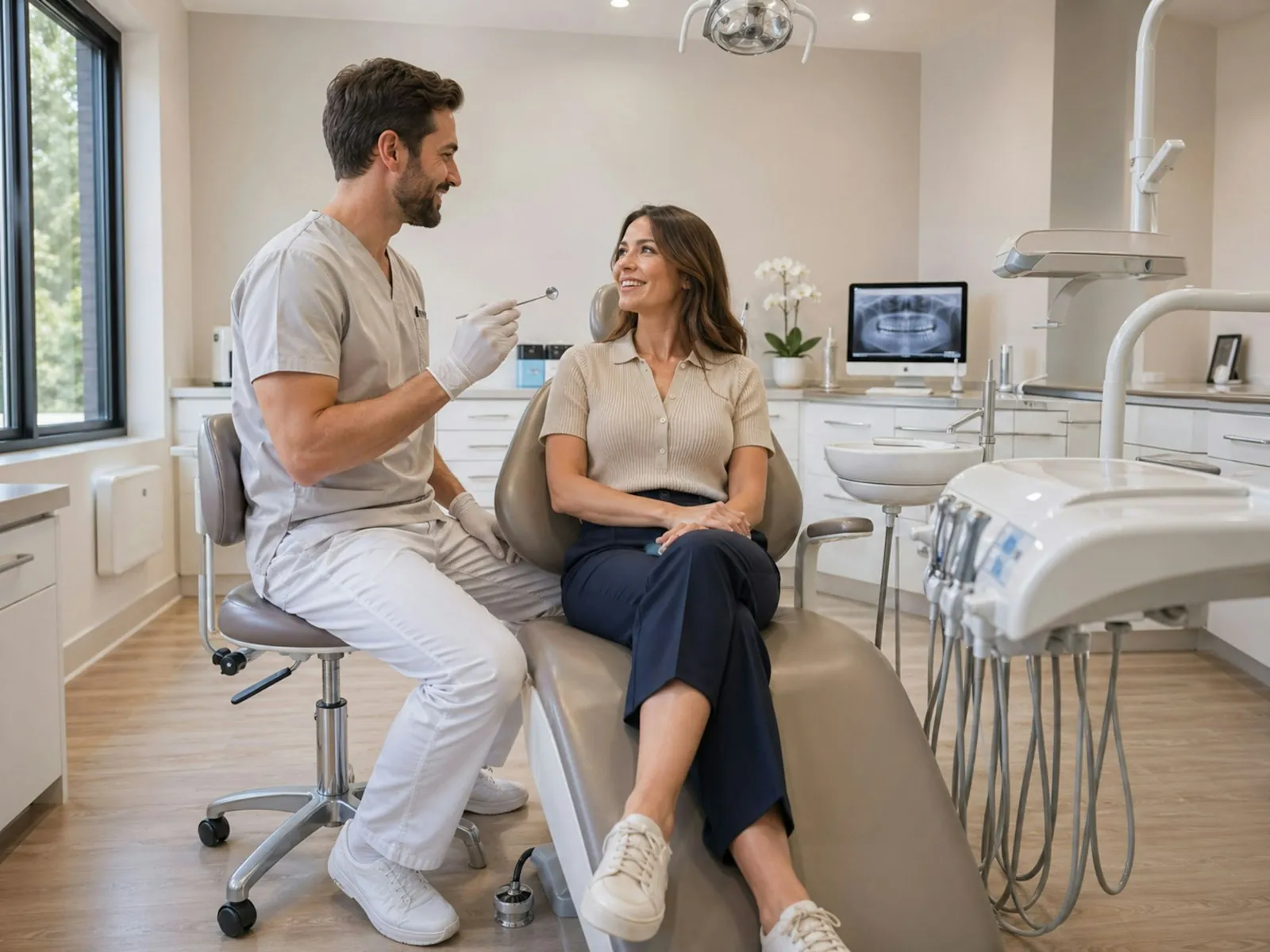
The right dentist may help by checking your teeth, gums, and jaw joints to see whether an oral appliance could be a reasonable fit for you. A visit generally starts with a conversation about your sleep, your health history, and any diagnosis or sleep study results from your physician.
If a custom appliance is appropriate, the dentist typically takes impressions or digital scans, and the device is made for your mouth. Follow-up visits are common so the fit can be checked and adjusted, and your physician may want to review how things are going. Your dentist can explain what to expect, but only your licensed providers can decide what is right for you.
Good questions to ask include: Do you have training in dental sleep medicine? Will you coordinate with my physician? What are the possible side effects, such as jaw or tooth changes? How will we check that it is working? Please give me a written treatment plan and estimate, since costs and insurance coverage vary by practice, location, and case.

The whole-person view
Sleep, body, and mind are closely connected. Poor rest can affect mood, focus, and stress, and stress can make it harder to sleep well. Looking at the whole person, including daily habits, tension, and emotional well-being, can be a helpful complement to dental and medical care.
Some people explore body-based support such as Somatic Experiences to work with stress held in the body, and others find talk therapy through Therapists.plus useful when worry or anxiety affects sleep. These are optional, supportive paths that sit alongside the care of your physician and dentist.
Somatic Experiences: nervous system regulation →Therapists.plus: sleep focus and habits →
Keep in mind
- Sleep apnea is a serious health condition that must be diagnosed by a physician, so licensed professionals should guide your care rather than self-treating with a device.
- Tuung is educational only and is not dental or medical advice; a dentist's exam and your physician's evaluation are the right places to decide what suits you.
- Costs, insurance coverage, and results vary by person and practice, so ask for a written treatment plan and estimate.
- For emergencies such as trouble breathing, call 911; if you are in emotional crisis, call or text 988.
Sleep apnea is diagnosed by a physician / sleep study; dentists make and fit oral appliances, usually alongside the patient's physician.
Dentists
We’re welcoming founding dentists for sleep apnea oral appliances now. Get matched or list your practice.
Frequently asked questions
What is a sleep apnea oral appliance?
A sleep apnea oral appliance is a custom mouth device worn during sleep that may help keep the airway more open. A dentist typically makes and fits it, usually in coordination with your physician. It is not a substitute for a proper diagnosis.
Can a dentist diagnose sleep apnea?
No, sleep apnea is diagnosed by a physician, typically based on a sleep study. A dentist can screen for signs, ask about your symptoms, and refer you to a doctor. If you are diagnosed, a dentist may then help with an oral appliance.
Is a sleep apnea mouth guard a CPAP alternative?
For some people, an oral appliance is discussed as an alternative to CPAP, but whether it is appropriate depends on your diagnosis and health. Your physician and dentist can talk through the options with you. Only they can decide what suits your situation.
What is a mandibular advancement device?
A mandibular advancement device is the most common type of oral appliance, and it gently holds the lower jaw slightly forward during sleep. This may help keep the throat space more open. A dentist customizes it to fit your teeth and bite.
Can a dentist help with snoring?
Yes, a dentist with the right training may be able to evaluate whether a snoring appliance is a reasonable option. Because snoring can sometimes go along with sleep apnea, it is wise to have a physician check the cause as well.
Are store-bought snoring mouthpieces the same as dentist-made appliances?
They are different products. Store-bought mouthpieces are made in standard sizes or shaped at home, while a dentist-made appliance is custom fitted to your mouth. A dental exam first is wise, and you can ask your dentist and physician about the differences and the FDA status of any device.
Educational resource. Tuung shares general information and connects people with independent dentists. It is not medical advice, diagnosis or treatment. Talk with a licensed professional about your health.