What it is
Inside every tooth is a soft center called the pulp, which holds nerves and blood vessels. Deep decay, a crack, repeated dental work or an injury can sometimes irritate or infect this area, which may lead to tooth nerve pain, sensitivity to hot or cold, or a bad taste. Only a licensed dentist can examine you and tell you what is going on.
Endodontics is the dental specialty focused on the inside of the tooth. Endodontists are dental specialists who have completed additional training after dental school, and many general dentists also perform root canal treatment. Root canal treatment, root canal retreatment and endodontic surgery (such as an apicoectomy) all fall under this area of care.
Root canal treatment generally involves cleaning out the inside of the tooth, shaping the canals, and sealing them so the tooth can stay in place. Retreatment is a second look at a tooth that was treated before. An apicoectomy is a minor surgical option that addresses the tip of the root. Which, if any, fits a particular tooth is a decision for a licensed dentist after an exam.
How it’s traditionally been approached
Traditionally, when the pulp of a tooth is badly damaged or infected, the two broad paths have been to treat the inside of the tooth and keep it, or to remove the tooth. Keeping a natural tooth when it is reasonable to do so has long been a goal in dentistry.
Root canal treatment is usually done with local anesthetic, similar to what's used for a filling. Afterward, the tooth often needs a lasting restoration, such as a filling or a crown, to protect it. Your dentist will explain what applies to your tooth.
If a previously treated tooth has problems, options discussed in the past have included retreatment, a small surgical procedure like an apicoectomy, or extraction. Modern imaging and magnification tools are now common in many offices, and different practices may use different approaches.
How the right dentist may help
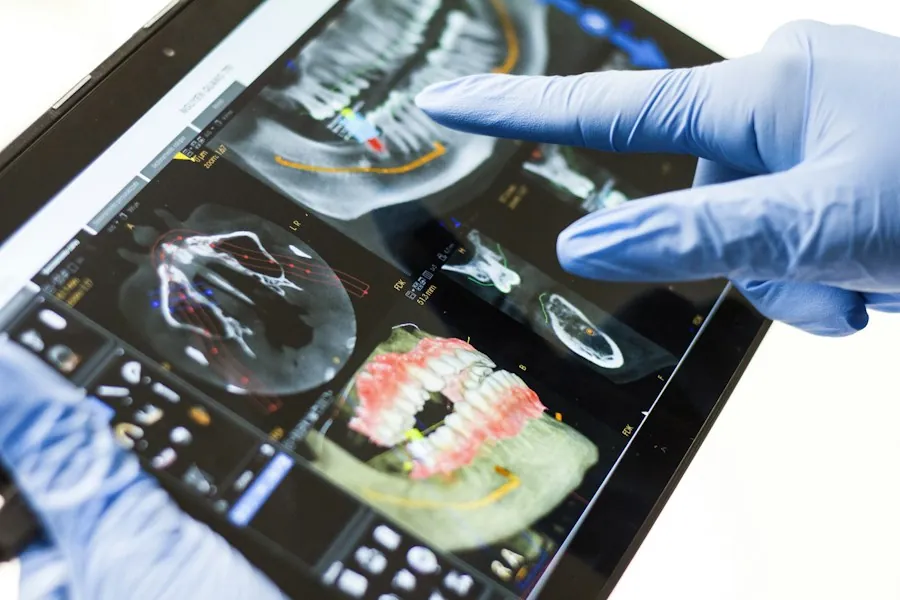
The right dentist or endodontist may help by first listening to your symptoms, reviewing your history, examining the tooth and taking X-rays or other images. They may also do simple tests, such as checking how the tooth responds to temperature or touch, to help understand what's happening.
A visit is generally a conversation first. A dentist can explain what they see, describe the options for your situation, and answer questions at your pace. If you feel nervous, tell them. Many offices are used to caring for anxious patients, and sedation options are available only from dentists permitted by their state dental board.
Helpful questions to ask: What do you think is happening with this tooth? What are my options, including doing nothing for now? Will I need a crown afterward? Is a specialist recommended? Can I get a written treatment plan and estimate? Costs vary by practice, location and case, so it's fair to ask about this up front.

The whole-person view
Your mouth is part of your whole body, and body, mind and stress affect one another. Ongoing tooth pain can disturb sleep and mood, and worry about dental visits can tighten the jaw and shoulders. Being kind to yourself and taking care of your general wellbeing can be part of the picture.
If dental fear is a big hurdle, some people find body-based support helpful, such as the approaches listed through Somatic Experiences. Others find that talking with a licensed counselor through Therapists.plus helps them feel steadier. These are optional complements to dental care, never a replacement for it.
Somatic Experiences: nervous system regulation →Therapists.plus: anxiety panic and ocd →
Keep in mind
- Tuung is educational only and is not dental or medical advice; only a licensed dentist can diagnose a tooth problem after an exam.
- Facial or neck swelling with fever, trouble breathing or swallowing, uncontrolled bleeding, or a serious face or jaw injury is a medical emergency. Call 911 or go to the ER.
- A knocked-out adult tooth needs a dentist right away. Persistent tooth pain, swelling or a pimple-like bump on the gum should be checked promptly by a licensed dentist.
- If distress ever feels overwhelming, call or text 988 (Suicide & Crisis Lifeline) for support at any time.
Dentists
We’re welcoming founding dentists for root canals (endodontics) now. Get matched or list your practice.
Frequently asked questions
What is a root canal?
A root canal is a dental procedure that treats the inside of a tooth when the pulp (nerve and soft tissue) is inflamed or infected. A dentist cleans and seals the inner canals so the tooth may be kept in place. Whether it's right for you depends on an exam by a licensed dentist.
Do I need a root canal if my tooth hurts?
Only a licensed dentist can tell you that after an exam. Tooth pain can have several causes, and not all of them involve the nerve. A dentist may use X-rays and simple tests to understand what's happening and discuss options.
What does an endodontist do?
An endodontist is a dental specialist with extra training in the inside of the tooth, including root canal treatment, retreatment and endodontic surgery. They often see complex cases or teeth that need a closer look. Many general dentists also perform root canals and may refer when a specialist is a good fit.
Is a root canal painful?
Root canal treatment is typically done with local anesthetic so the area is numb during the visit. Some soreness afterward is common for some people, and your dentist can explain what to expect. If you're nervous, tell the office so they can talk through ways to help you feel comfortable.
What is root canal retreatment or an apicoectomy?
Retreatment means a dentist re-opens a tooth that had a root canal before and cleans it again. An apicoectomy is a small surgical procedure that addresses the tip of a root. A licensed dentist or endodontist decides whether either is appropriate after an evaluation.
How much does a root canal cost?
Costs vary by practice, location, the tooth involved and the individual case. Ask the office for a written treatment plan and estimate, and ask about payment options or insurance questions before you begin. It's completely okay to ask about cost.
Educational resource. Tuung shares general information and connects people with independent dentists. It is not medical advice, diagnosis or treatment. Talk with a licensed professional about your health.