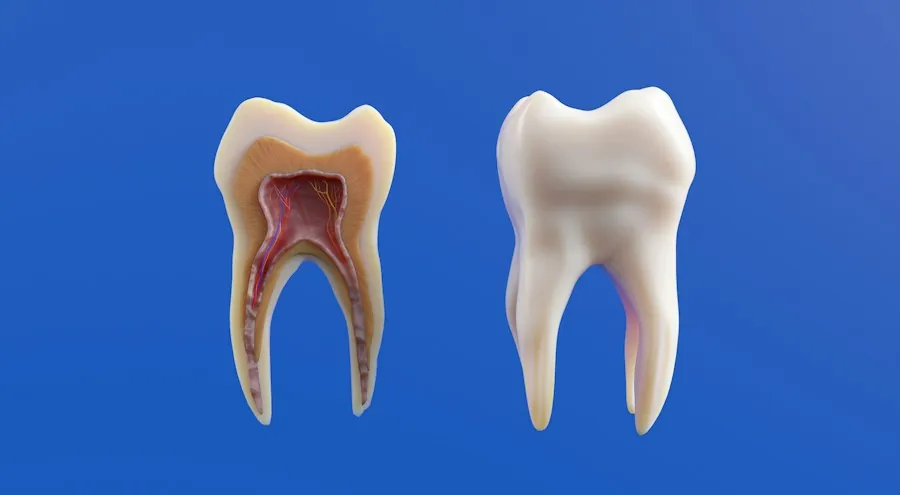
What it is
Scaling and root planing is often called a deep cleaning. Scaling means removing plaque and hardened tartar (also called calculus) from tooth surfaces, including below the gumline. Root planing means smoothing the tooth roots so the gums have a cleaner surface to settle against.
It differs from a routine cleaning, which focuses mostly on the visible parts of the teeth and just under the gum edge. A deep cleaning goes further down into the small spaces between teeth and gums, often called pockets.
Whether a deep cleaning makes sense for you is something only a licensed dentist can decide after an exam. That exam usually includes a look at your gums, gentle measuring of the spaces around your teeth, and often dental X-rays.
How it’s traditionally been approached
Dentists have long used deep cleaning as a first, non-surgical step when gums show signs of gum disease. The idea is to remove the buildup that irritates the gums so the tissue has a chance to calm down and heal.
The work may be done by a dentist or by a dental hygienist working under state rules. Numbing medicine is commonly used for comfort, and the work may be spread across more than one visit. Tools can include hand instruments and ultrasonic devices.
After a deep cleaning, the dental team often schedules a follow-up to see how the gums are responding. Some people continue with more frequent maintenance cleanings, and some are referred to a periodontist, a dental specialist in gum care, if the dentist feels extra expertise is helpful.
How the right dentist may help
The right dentist may help by examining your gums carefully, explaining what they see in plain language, and talking through your options. A good visit feels like a conversation, not a lecture. You can ask them to pause, show you what they're finding, and move at a pace that feels comfortable.
If you feel nervous, say so. Many dental offices are used to anxious patients and may offer comfort options such as numbing, breaks, or other approaches. Sedation is only provided by dentists permitted by their state dental board, so ask what a practice offers and what is appropriate for you.
Helpful questions to bring: Why do you recommend this for me? What did you find in my exam? What will the visit feel like, and how will you keep me comfortable? What should I do at home afterward? Can I get a written treatment plan and estimate? Costs and insurance coverage vary by practice, location and case, so it's fine to ask about them before you begin.

The whole-person view
Your mouth is part of your whole body, and body, mind and stress tend to influence each other. Worry about the dentist can make people put off visits, and stress can affect habits like sleep, eating and daily care. If dental fear is weighing on you, body-based support such as Somatic Experiences may be a calming resource to explore alongside your dental care.
Being kind to yourself matters here. Gum concerns are very common and are never a character flaw. If anxiety or past experiences make appointments hard, talking with a licensed counselor, such as through Therapists.plus, may help you feel more at ease, and a caring dentist can work with you at your pace.
Somatic Experiences: nervous system regulation →Therapists.plus: sleep focus and habits →
Keep in mind
- This page is educational only and is not dental or medical advice; only a licensed dentist can examine you and say whether a deep cleaning is right for you.
- Costs, insurance coverage and the number of visits vary by practice, location and case, so ask for a written treatment plan and estimate.
- Facial or neck swelling with fever, trouble breathing or swallowing, uncontrolled bleeding, or a serious face or jaw injury is a medical emergency: call 911 or go to the ER.
- Ongoing gum pain, swelling, a bad taste, or a loose tooth deserves a prompt exam by a licensed dentist. A knocked-out adult tooth needs a dentist right away.
Not sure where to start? Answer a few gentle questions and choose who you’d like to hear from.
Frequently asked questions
What is deep cleaning scaling and root planing?
Deep cleaning scaling and root planing is a dental procedure that removes plaque and tartar from below the gumline and smooths the tooth roots. It is often used as a non-surgical step when gums show signs of gum disease. A licensed dentist decides whether it is appropriate after an exam.
Does a deep cleaning hurt?
Comfort varies from person to person, but dental teams commonly use numbing medicine so the work is manageable. Your gums may feel tender for a short time afterward. Tell your dentist if you're nervous or uncomfortable, since they can often adjust their approach.
How is a deep cleaning different from a regular cleaning?
A regular cleaning mostly focuses on the visible tooth surfaces and just under the gum edge, while a deep cleaning reaches further below the gumline. It may also take more than one visit. Your dentist can explain which type fits what they see in your exam.
Who performs scaling and root planing?
It may be performed by a licensed dentist or by a dental hygienist working under state rules. Some people are referred to a periodontist, a dental specialist with additional training in gum care. Ask your dental office who will be doing your care.
How much does scaling and root planing cost?
Costs vary by practice, location and case, so no single figure applies to everyone. Ask the office for a written treatment plan and estimate, and ask what your insurance may or may not cover. Many offices are happy to talk through payment questions.
Do I need a deep cleaning?
Only a licensed dentist can tell you after examining your gums and reviewing your X-rays. Signs that are worth getting checked include bleeding gums, swollen or tender gums, bad breath that won't go away, or gums pulling back. Booking an exam is a good, shame-free first step.
Educational resource. Tuung shares general information and connects people with independent dentists. It is not medical advice, diagnosis or treatment. Talk with a licensed professional about your health.