What it is
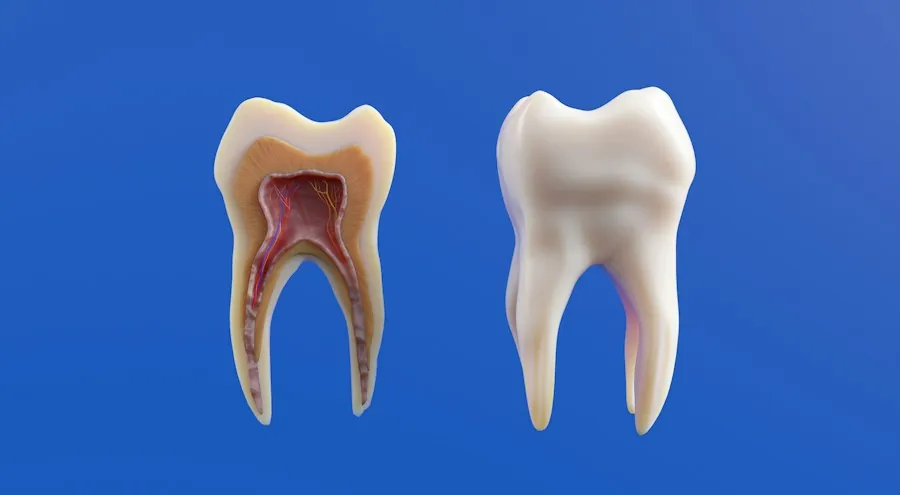
A root canal, also called endodontic treatment, is a procedure that focuses on the inside of a tooth. Under the hard outer layers is a space with soft tissue (the pulp), which includes nerves and blood vessels. The "canals" are the narrow channels in the roots that hold this tissue.
When the pulp becomes irritated or infected, for example from deep decay, a crack, or an injury, a dentist may talk with you about root canal treatment as one possible option. Only a licensed dentist can examine your tooth and tell you what is going on and what choices fit your situation.
Many people think of a root canal as the thing that causes pain. In reality, the tooth problem is usually what hurts, and treatment is generally aimed at helping address it. Some teeth with pulp trouble cause no symptoms at all, which is one reason regular dental exams matter.
How it’s traditionally been approached
Traditionally, a root canal involves numbing the area, opening the tooth, removing the affected pulp, cleaning and shaping the inside of the canals, and then filling and sealing the space. Local anesthetic is commonly used so the area is numb during the visit.
After treatment, the tooth often needs a permanent restoration, such as a filling or a crown, to protect it. Your dentist will explain what they recommend for your specific tooth and why.
Root canals may be done by a general dentist (DDS or DMD) or by an endodontist, a dental specialist with additional training in the inside of the tooth. The other common path people discuss with their dentist is removing the tooth, and each option has its own considerations. A licensed dentist can walk you through the differences.
How the right dentist may help
The right dentist may help by starting with a careful exam, which often includes a conversation about your symptoms and dental X-rays. They can explain what they see, answer questions, and talk through the options available for your tooth. Nothing here is a promise of any particular outcome, and every case is different.
A visit is generally unhurried and explained step by step. If you feel nervous, say so. Many dentists welcome that and can describe ways they help patients feel comfortable, including pauses, signals, and, where their state board permits and it is appropriate, sedation options.
Helpful questions to ask: What do you see in my exam and X-rays? What are my options, including not treating right now? Would you recommend a general dentist or an endodontist, and why? What will the tooth need afterward, such as a crown? Could I have a written treatment plan and estimate? Costs vary by practice, location and case, so asking up front can bring peace of mind.

The whole-person view
Body, mind and stress affect each other. Dental worry can make a toothache feel bigger, and ongoing discomfort can affect sleep, mood and focus. Clenching or grinding when stressed can also strain teeth and the jaw, so caring for the whole person can matter alongside caring for the tooth.
If dental anxiety or tension is part of your story, you don't have to handle it alone. Somatic Experiences offers body-based support for stress and tension, and Therapists.plus can help you find talk therapy. Both can sit alongside, never replace, care from a licensed dentist.
Somatic Experiences: nervous system regulation →Therapists.plus: sleep focus and habits →
Keep in mind
- Tuung is educational only and is not dental or medical advice; only a licensed dentist can examine you and recommend care.
- Facial or neck swelling with fever, trouble breathing or swallowing, uncontrolled bleeding, or a serious face or jaw injury is a medical emergency. Call 911 or go to the ER.
- A knocked-out adult tooth needs a dentist right away. Tooth pain, swelling or a possible abscess should be checked promptly by a licensed dentist.
- Costs vary by practice, location and case, so ask for a written treatment plan and estimate. There's no shame in asking about cost or in feeling anxious about a visit.
Not sure where to start? Answer a few gentle questions and choose who you’d like to hear from.
Frequently asked questions
What is a root canal?
A root canal is a dental procedure that treats the inside of a tooth when the pulp, the soft tissue with nerves and blood vessels, is inflamed or infected. The dentist cleans the inside of the tooth and seals it. A licensed dentist must examine you to say whether it fits your situation.
Does a root canal hurt?
Most people have local anesthetic so the area is numb during the procedure, and many describe it as similar to getting a filling. Some soreness afterward can happen, and your dentist can explain what to expect. If you're nervous, tell your dentist, since they may have ways to help you feel more comfortable.
Do I need a root canal or a crown afterward?
Only a licensed dentist can tell you after an exam. A tooth that has had a root canal often needs a protective restoration such as a crown or a filling, depending on how much of the tooth remains. Ask your dentist what they recommend for your tooth and why.
What is the difference between a dentist and an endodontist for a root canal?
A general dentist (DDS or DMD) can perform many root canals, while an endodontist is a dental specialist with additional training focused on the inside of the tooth. Which is a better fit may depend on the tooth and the case. Your dentist can explain whether they treat it themselves or refer you.
How much does a root canal cost?
Costs vary by practice, location and case, so there is no single answer. Ask the dentist's office for a written treatment plan and estimate, and ask what your insurance may or may not cover. Many offices are happy to talk through payment questions.
Is a toothache or swelling an emergency?
Facial or neck swelling with fever, trouble breathing or swallowing, or uncontrolled bleeding is a medical emergency, so call 911 or go to the ER. For tooth pain or a possible abscess without those signs, contact a licensed dentist promptly. Don't wait for it to go away on its own.
Educational resource. Tuung shares general information and connects people with independent dentists. It is not medical advice, diagnosis or treatment. Talk with a licensed professional about your health.