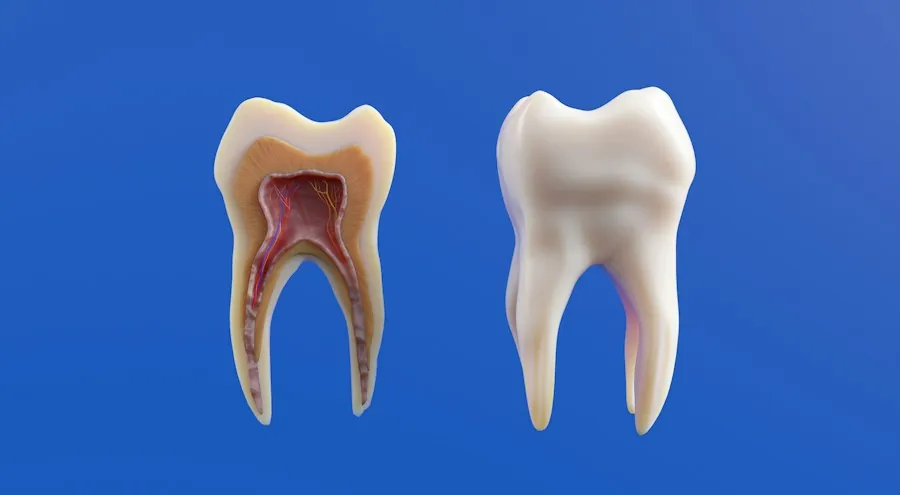
What it is
A root canal (also called endodontic treatment) is a procedure in which a dentist or endodontist removes the damaged or infected tissue from inside a tooth, cleans the space, and seals it. The goal is to keep the natural tooth in place, and it is usually followed by a restoration such as a filling or crown.
An extraction is the removal of a whole tooth from its socket in the jaw. Some extractions are simple, and others are surgical and may be done by a general dentist or an oral and maxillofacial surgeon, depending on the tooth and the case.
Both are well-established parts of dentistry. Neither is automatically the 'better' choice. The right path depends on the tooth, the surrounding bone and gums, your overall health, and your goals, which is why an exam comes first.
How it’s traditionally been approached
Dentistry has long placed value on keeping natural teeth when it is reasonable to do so. Root canal treatment grew out of that idea, as a way to save a tooth that might otherwise be lost.
Extraction has traditionally been used when a tooth cannot be restored, when there is extensive damage or gum and bone loss around it, or when other factors make saving it less practical. Sometimes extraction is also part of a larger plan, such as orthodontic care or preparing for other dental work.
After an extraction, people often talk with their dentist about whether to replace the tooth, with options such as a bridge, a dental implant, or a partial denture. Dentists have also long looked at how each choice may affect neighboring teeth, chewing, and the bite.
How the right dentist may help
A visit usually starts with a conversation about your symptoms and health history, followed by an exam and dental X-rays. Your dentist may refer you to an endodontist (root canal specialist), a periodontist (gum specialist), or an oral surgeon if more expertise would help. The right dentist may help you understand your options in plain English, without pressure.
Many people feel nervous, and that's completely normal. You can tell the team about any anxiety, and you can ask about comfort options and what sedation, if any, your dentist is permitted to offer under their state dental board. Pausing to ask questions is always welcome.
Helpful questions to ask: Can this tooth likely be restored, and what does that depend on? What would happen if I wait? What would replacing the tooth involve if it were removed? How would each path affect nearby teeth and my bite? Can I get a written treatment plan and estimate? Costs vary by practice, location and case, so it's wise to ask before deciding.

The whole-person view
Your mouth is part of your whole body, and body, mind and stress affect each other. Tooth pain can disrupt sleep and mood, and worry or tension can show up as jaw clenching, which in turn can affect teeth and the bite. Facing a big dental decision can feel stressful, and that's a very human reaction.
If dental fear or tension is weighing on you, body-based support such as Somatic Experiences may help some people feel more settled, and talk therapy through Therapists.plus may help others work through anxiety about care. These are complements to, not replacements for, a dentist's exam and guidance.
Somatic Experiences: nervous system regulation →Therapists.plus: sleep focus and habits →
Keep in mind
- This page is educational only and is not dental or medical advice; only a licensed dentist can examine you and recommend what is appropriate.
- Facial or neck swelling with fever, trouble breathing or swallowing, uncontrolled bleeding, or a serious face or jaw injury is a medical emergency: call 911 or go to the ER.
- A knocked-out adult tooth needs a dentist right away, so call a dental office immediately.
- Ask for a written treatment plan and estimate, and consider a second opinion if you feel unsure. If stress feels overwhelming, you can call or text 988 at any time.
Not sure where to start? Answer a few gentle questions and choose who you’d like to hear from.
Frequently asked questions
Is a root canal better than an extraction?
Neither is better for everyone, because it depends on the individual tooth and your overall situation. A root canal aims to keep your natural tooth, while an extraction removes it. A licensed dentist can examine you and explain which options may be reasonable.
What is the difference between a root canal and an extraction?
A root canal cleans out the inside of a damaged tooth and seals it so the tooth can stay in your mouth. An extraction removes the entire tooth. After an extraction, your dentist may discuss ways to replace the tooth.
Can every tooth be saved with a root canal?
No, not every tooth can be saved. Factors such as how much healthy tooth remains, the condition of the surrounding bone and gums, and whether the tooth can be restored all matter. Your dentist or an endodontist can evaluate this after an exam and X-rays.
What happens if I need an extraction and don't replace the tooth?
Some people choose not to replace a tooth, and that's a personal decision to discuss with your dentist. Dentists often talk about how a gap may affect chewing, nearby teeth and the bite over time. Ask what replacement options exist and what each involves.
Who performs a root canal vs extraction?
A general dentist (DDS or DMD) may perform either, and some cases are referred to specialists. Endodontists are specialists in root canal treatment, and oral and maxillofacial surgeons are specialists in surgical extractions. All are licensed through their state dental board.
How much does a root canal vs extraction cost?
Costs vary by practice, location and case, so there is no single answer. Replacement of an extracted tooth can also add to the overall plan. Ask your dentist for a written treatment plan and estimate, and check with your insurance about your coverage.
Educational resource. Tuung shares general information and connects people with independent dentists. It is not medical advice, diagnosis or treatment. Talk with a licensed professional about your health.