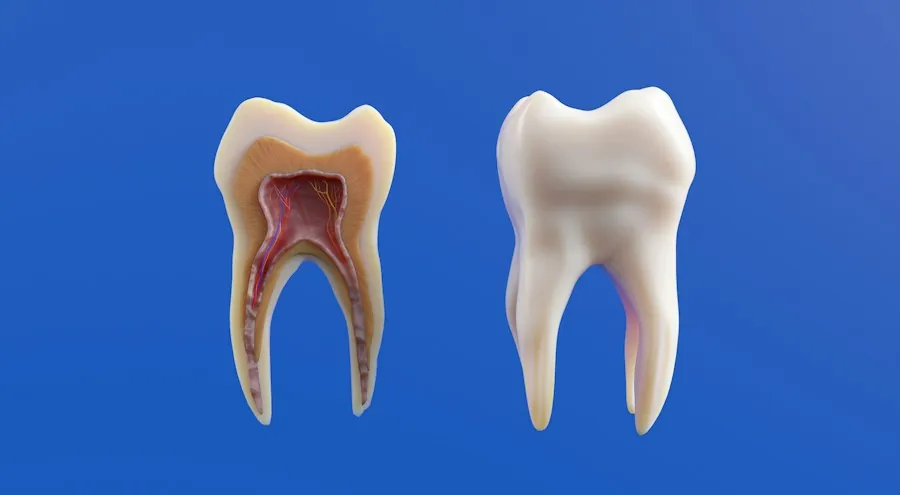
What it is
Gum disease, also called periodontal disease, is a condition in which the tissues that surround and support your teeth become irritated or inflamed. It often begins with a sticky film of bacteria called plaque building up along the gumline.
Commonly described signs include gums that look red or swollen, gums that bleed when you brush or floss, bad breath or a lingering bad taste, gums that look like they're pulling away from teeth, and teeth that feel loose or shift in how they fit together. Some people notice tenderness, and some notice very little at all.
Because the early signs can be subtle or painless, many people don't realize anything is happening. Only a dentist can tell you what a sign means after an exam. Plenty of people have some of these signs at some point, and it's very common to feel unsure about them.
How it’s traditionally been approached
Traditionally, gum health has been approached through regular dental exams and professional cleanings. A dentist or hygienist looks at the gums, may gently measure the small spaces around each tooth, and may take X-rays to see the bone that supports the teeth.
Daily home care has long been part of the picture too, including brushing, cleaning between teeth, and keeping up with checkups. Dentists often tailor their guidance to the person in the chair.
When gum concerns are more involved, a general dentist may refer a patient to a periodontist, a dental specialist with additional training in the gums and supporting structures. Approaches vary by practice and by person, and the right path is decided by a licensed dentist after an exam.
How the right dentist may help
The right dentist may help by looking carefully at your gums, teeth and bite, listening to your concerns, and explaining what they see in plain English. A visit generally includes a conversation about your health history, a gentle exam, and possibly X-rays. If you're nervous, it's perfectly fine to say so. Many dental teams are glad to go at your pace.
Good questions to ask include: What are you seeing in my gums? Do I need any further evaluation or a specialist? What are my options, and what does each involve? What can I do at home? How often should I come back?
Ask for a written treatment plan and estimate if care is recommended. Costs vary by practice, location and case, and it's reasonable to ask about payment options or insurance questions before you decide. A second opinion is also a normal part of choosing care.

The whole-person view
Your body, mind and stress are connected. Stress can affect sleep, habits and routines like brushing, and mouth health is one part of how you feel overall. Dental anxiety is common too, and it can make it harder to book a visit. Being kind to yourself matters here.
If stress or anxiety is part of your picture, some people explore body-based support such as Somatic Experiences, and others find talk therapy through Therapists.plus helpful. These can be complementary to dental care, not a replacement for an exam.
Somatic Experiences: nervous system regulation →Therapists.plus: sleep focus and habits →
Keep in mind
- Tuung is educational only and does not diagnose or give dental or medical advice. Only a licensed dentist can tell you what your symptoms mean.
- Facial or neck swelling with fever, trouble breathing or swallowing, uncontrolled bleeding, or a serious face or jaw injury is a medical emergency. Call 911 or go to the ER.
- Gum problems can sometimes be linked with other health conditions, so licensed professionals should guide your care. If you're ever in emotional crisis, call or text 988.
- Costs, timelines and results vary by person, so ask for a written plan and estimate and feel free to ask questions.
Not sure where to start? Answer a few gentle questions and choose who you’d like to hear from.
Frequently asked questions
What are the first signs of gum disease?
Commonly described early signs include red or swollen gums and gums that bleed when you brush or floss. Some people also notice bad breath that doesn't go away. Early signs can be mild or painless, so a dental exam is the best way to find out what's happening.
Can you have gum disease without any pain?
Yes, gum disease can be present without much pain, which is why regular dental exams are helpful. A dentist can check your gums even when nothing hurts. If you notice any changes, it's a good idea to schedule a visit.
Do bleeding gums always mean gum disease?
No, bleeding gums don't always mean gum disease, but they are worth having checked. There can be several reasons gums bleed, and only a licensed dentist can tell what's behind it after an exam. Please don't feel embarrassed about asking.
Who treats gum disease?
Dentists and dental hygienists often care for gum health, working together as a team. A periodontist is a dental specialist with additional training in gums and supporting structures, and a dentist may refer you if needed. Your dentist can explain which type of provider fits your situation.
Can gum disease cause loose teeth or gum recession?
Gum disease is commonly associated with gums pulling back and teeth feeling loose, especially when it has been present for a while. These signs can also have other causes, so it's wise to have a dentist take a look. They can explain what they see and what your options may be.
When should I see a dentist about signs of gum disease?
It's a good idea to book an exam when you notice signs of gum disease like swollen, bleeding or receding gums. You don't need to wait for pain. If you have facial or neck swelling with fever, or trouble breathing or swallowing, treat it as an emergency and call 911 or go to the ER.
Educational resource. Tuung shares general information and connects people with independent dentists. It is not medical advice, diagnosis or treatment. Talk with a licensed professional about your health.