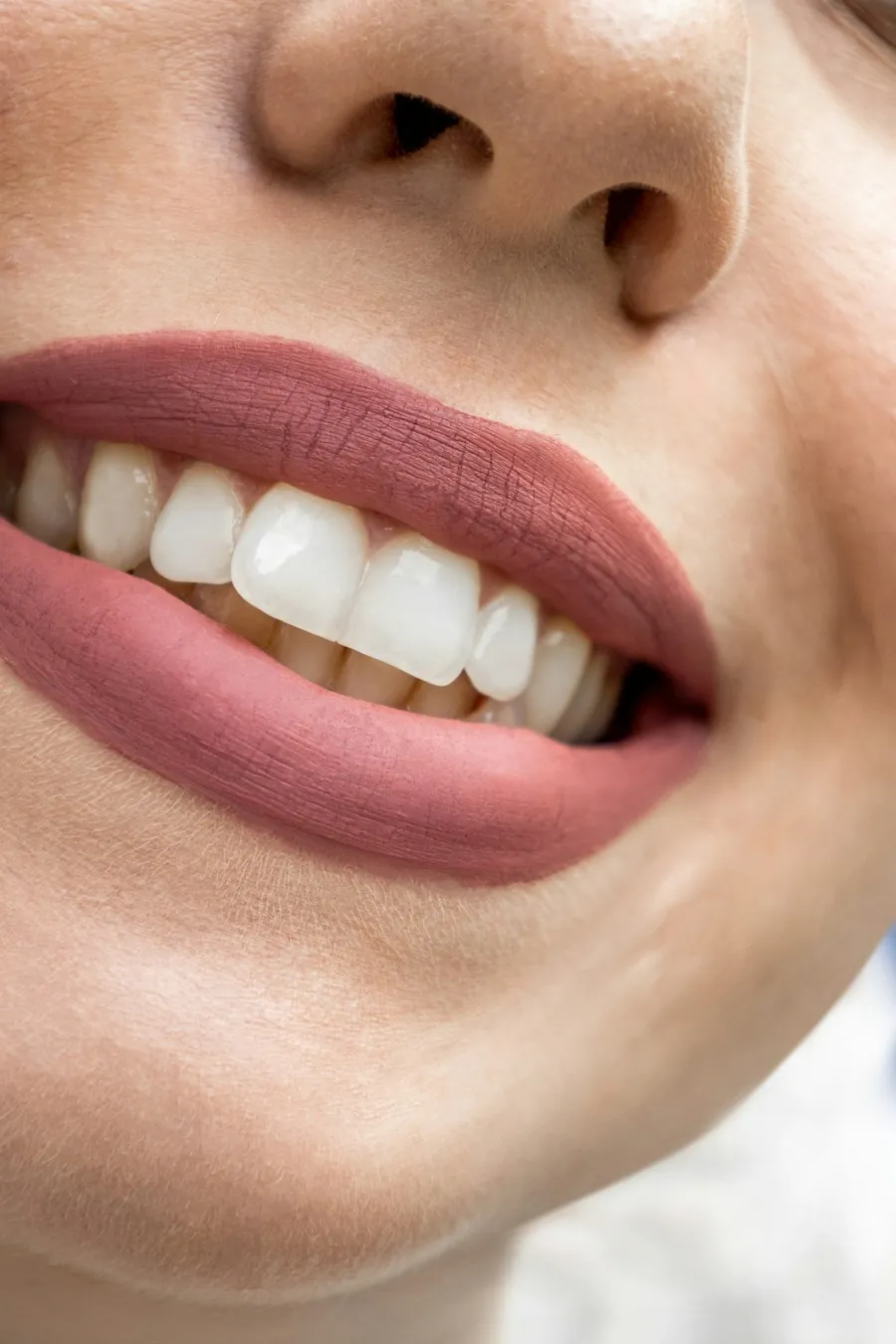
What it is
A smile makeover is a term, not a single treatment. It usually describes a customized set of cosmetic steps that work together, aimed at the look of your teeth, gums and overall smile. The term is used by many dental practices, and what it includes can vary from one office to the next.
Options that are sometimes part of a smile makeover include teeth whitening, bonding, veneers, crowns, clear aligners or braces, gum contouring, and replacing missing teeth. Some people only need one or two of these. Others explore several over time.
Cosmetic goals often overlap with oral health. That's why many dentists begin with an exam to look at the health of your teeth, gums and bite before talking about appearance. Whether something is right for you is a decision for you and your dentist after an evaluation.
Dentists (DDS or DMD) are licensed by their state dental board. Some smile makeovers also involve dental specialists, such as orthodontists, periodontists or prosthodontists, who have additional training.
How it’s traditionally been approached
Cosmetic dentistry has traditionally grown out of general and restorative dentistry. Dentists have long used tools like tooth-colored fillings, bonding, crowns and bridges to repair teeth, and many of those same tools can also change a smile's appearance.
Over time, options like porcelain veneers, professional whitening and orthodontic treatment became common ways to address color, shape, spacing and alignment. Approaches differ in how much they change the natural tooth, how reversible they are, and how they are maintained.
Many dentists traditionally use photos, impressions or digital scans, and sometimes mock-ups or previews, to help patients picture possibilities. Preferences and philosophies vary. Some dentists favor more conservative changes, and others offer broader transformations. Neither is wrong, and a good fit is personal.
How the right dentist may help
The right dentist may help by listening to what you'd like to change, examining your teeth and gums, and explaining which options could be possible for you. A first visit generally includes a conversation about your goals, a look at your mouth, and possibly X-rays or photos. There is no pressure to decide that day, and it's perfectly fine to feel nervous. Dentists see that all the time.
Good questions to ask include: What options might fit my goals? Which are reversible and which are not? Will any of my natural tooth be removed? What does upkeep look like over time? Are there any health issues that should be addressed first? Could a specialist be involved? Can I see before-and-after examples of your own work?
Ask for a written treatment plan and estimate. Costs vary by practice, location and case, and cosmetic work is often treated differently by insurance than other dental care, so it helps to ask the office to check with your plan. If you feel anxious, say so. Many offices can talk through comfort options, and sedation is offered only by dentists permitted by their state board.

The whole-person view
How we feel about our smile can be tied to confidence, comfort in social moments and everyday stress, and those feelings can affect the body too. Meanwhile, habits like teeth grinding, jaw tension or avoiding the dentist can be linked with stress. Body, mind and mouth influence each other, which is why a whole-person view can be helpful.
If dental anxiety or body tension is part of your story, body-based support such as Somatic Experiences may be one gentle avenue to explore. If worries about appearance or self-image weigh on you, talk therapy through Therapists.plus is another option. These are complements to dental care, not replacements for it.
Somatic Experiences: nervous system regulation →Therapists.plus: anxiety panic and ocd →
Keep in mind
- Tuung is educational only and is not dental or medical advice. Only a licensed dentist can examine you and say what may be appropriate for you.
- Some cosmetic procedures change healthy tooth structure and may not be reversible, so ask what is involved before you decide.
- Tooth pain, swelling or infection should be seen by a dentist promptly. Facial or neck swelling with fever, trouble breathing or swallowing, uncontrolled bleeding, or a serious face or jaw injury is a medical emergency: call 911 or go to the ER. A knocked-out adult tooth needs a dentist right away.
- If you're feeling overwhelmed or in emotional crisis, call or text the 988 Lifeline.
Not sure where to start? Answer a few gentle questions and choose who you’d like to hear from.
Frequently asked questions
What is a smile makeover?
A smile makeover is a customized plan that combines one or more cosmetic dental options to change the look of your smile. It might include whitening, bonding, veneers, crowns, aligners or gum contouring. What's included depends on your goals and on what a licensed dentist finds during an exam.
What treatments can be part of a smile makeover?
Common options include teeth whitening, bonding, porcelain or composite veneers, crowns, clear aligners or braces, gum reshaping and tooth replacement. Not every option suits every person. A dentist can explain which ones may be possible after an exam.
How much does a smile makeover cost?
Costs vary by practice, location and the treatments involved, so there's no single answer. Ask the dentist for a written treatment plan and estimate, and ask the office whether your insurance may cover any part. Many offices can also talk through payment options.
How long does a smile makeover take?
It depends on what's included. Some plans are completed in a few visits, while others that involve alignment or several steps take longer. Your dentist can give you a timeline for your own plan.
Who does a smile makeover?
A licensed general or cosmetic-focused dentist (DDS or DMD) often leads it. Depending on your goals, specialists such as orthodontists, periodontists or prosthodontists may also help. Ask about the training and experience of everyone involved.
Is a smile makeover only cosmetic?
Not always. While the goal is often appearance, a dentist will usually check the health of your teeth, gums and bite first, because some issues may need attention before cosmetic work. Some options can also improve how teeth function, but that depends on your case.
Educational resource. Tuung shares general information and connects people with independent dentists. It is not medical advice, diagnosis or treatment. Talk with a licensed professional about your health.