What it is
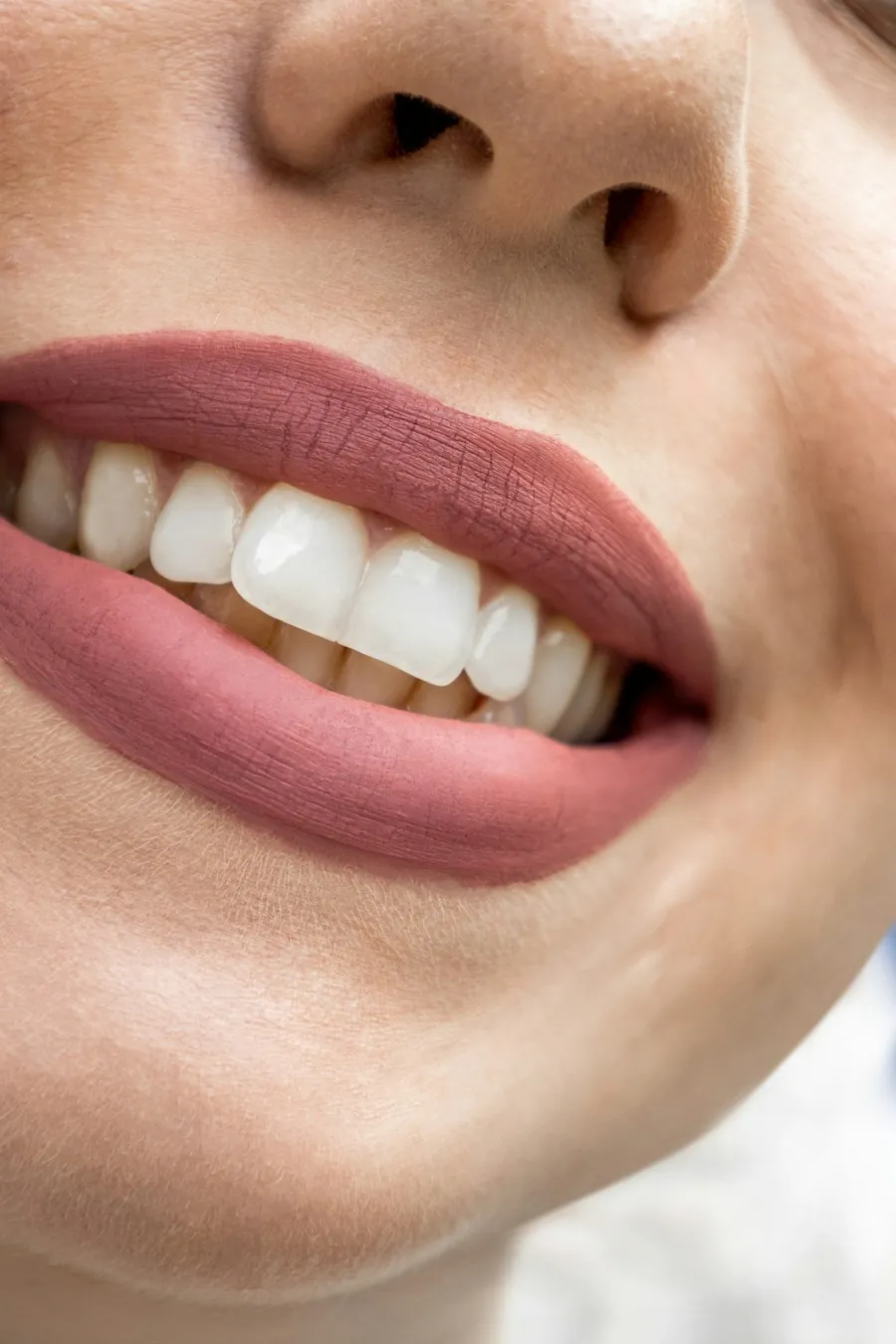
Teeth whitening is a cosmetic process that aims to lighten the color of teeth. It usually uses peroxide-based ingredients that break down stains inside and on the surface of the enamel. Whitening does not change the structure of your teeth. It changes how light or dark they look.
Whitening comes in several forms: in-office treatments, custom trays from a dentist for use at home, and over-the-counter strips, gels, pens and toothpastes. Each differs in ingredient strength, how it is applied, and how much professional oversight is involved. Products sold directly to consumers are regulated differently from care provided in a dental office, so it helps to read labels and instructions carefully.
Safety usually depends on the person and the situation. Things like existing cavities, gum recession, worn enamel, cracked teeth, old fillings or crowns, and sensitivity can all affect how whitening feels and how it looks. Whitening does not lighten crowns, veneers or fillings, which is one reason a dental exam first is wise.
How it’s traditionally been approached
Whitening has traditionally been approached in a few ways. Some people choose professional treatment in a dental office, some use custom-fitted trays prescribed by a dentist, and others start with store-bought products. Each path has fans, and the right one depends on your goals, your teeth and your comfort level.
Common, usually temporary side effects people report include tooth sensitivity and mild gum irritation. These are often linked to how strong a product is, how long it stays on the teeth, and how well it fits the mouth. Ill-fitting trays or product that touches the gums can make irritation more likely.
Dental professionals have also long talked about the value of checking the mouth before whitening. Treating cavities or gum concerns first, and understanding what is causing the discoloration, may help set realistic expectations. Not all stains respond to whitening in the same way, and some respond better to other cosmetic options.
How the right dentist may help
The right dentist may help you feel confident about whether whitening fits your mouth. A visit generally starts with a conversation about your goals and your dental history, followed by an exam of your teeth and gums. Many dentists also talk through options so you can choose what feels right.
Your dentist may explain how whitening could work with the teeth and restorations you already have, and whether other cosmetic options, such as bonding or veneers, might be worth discussing. They may also describe what sensitivity can feel like and how people often manage it. Only a licensed dentist can decide what is appropriate for you after an exam.
Good questions to bring include: Is my mouth healthy enough for whitening? What may be causing my stains? How will my crowns, veneers or fillings look afterward? What side effects should I watch for, and who do I call if I have concerns? Ask for a written treatment plan and estimate, since costs vary by practice, location and case. Nervous about the visit? Say so. Dental teams hear it often and are glad to go at your pace.

The whole-person view
Your smile is tied to how you feel in everyday life. Body, mind and stress affect each other, so feelings about how your teeth look can show up in confidence, and stress can show up in habits like clenching or grinding that affect teeth. There is no right or wrong way to feel about your smile, and wanting to feel good about it is perfectly valid.
If dental worry or self-consciousness weighs on you, you might find support in body-based approaches such as those offered through Somatic Experiences, which can help some people notice how stress lives in the body. Talk therapy through Therapists.plus is another option some people explore for anxiety or self-image. These can complement, not replace, care from a licensed dentist.
Somatic Experiences: nervous system regulation →Therapists.plus: anxiety panic and ocd →
Keep in mind
- Tuung is educational only and is not dental or medical advice; a licensed dentist must examine you before deciding whether whitening is appropriate.
- Tooth pain, a broken tooth or gum problems should be checked by a dentist rather than treated with whitening. Facial or neck swelling with fever, trouble breathing or swallowing, uncontrolled bleeding, or a serious face or jaw injury is a medical emergency: call 911 or go to the ER.
- Whitening products sold directly to consumers differ in strength and regulation, so read labels, follow directions, and ask a dentist about any product you are considering.
- Costs and results vary by practice, location and case, so ask for a written treatment plan and estimate before you begin.
Not sure where to start? Answer a few gentle questions and choose who you’d like to hear from.
Frequently asked questions
Is teeth whitening safe for your enamel?
For many people, whitening used as directed under a dentist's guidance is considered a well-established cosmetic option. Safety can depend on the product, how it is used and the condition of your teeth. A dental exam can help you understand what is right for your mouth.
Is teeth whitening safe to do at home?
Many people use at-home whitening, and it can be a reasonable option when you follow the label closely. Because everyone's teeth and gums are different, checking in with a dentist first is wise. They can look for cavities, gum recession or worn enamel that may affect your experience.
Does teeth whitening cause sensitivity?
It can for some people, and it is usually temporary. Sensitivity and gum irritation are among the most commonly reported side effects. If it bothers you, stop and ask your dentist what they recommend.
Is professional teeth whitening safer than store-bought kits?
Neither is automatically safer for everyone, but professional care adds an exam and personal guidance. A dentist can check your teeth first, fit trays properly and watch for problems. Store-bought options can work well for some people when used exactly as directed.
Who should not whiten their teeth without talking to a dentist first?
Anyone with tooth pain, cavities, gum problems, worn enamel or lots of crowns, veneers and fillings should talk to a dentist first. The same goes for people who are pregnant or nursing, and for children. A licensed dentist or your healthcare provider can advise based on your situation.
How do I find a dentist for teeth whitening?
Start by looking for a licensed dentist (DDS or DMD) who offers whitening or cosmetic dentistry, and read how they describe their approach. At your visit, ask about options, expected results, side effects and a written estimate. Tuung's directory can help you find independent dentists near you.
Educational resource. Tuung shares general information and connects people with independent dentists. It is not medical advice, diagnosis or treatment. Talk with a licensed professional about your health.