What it is
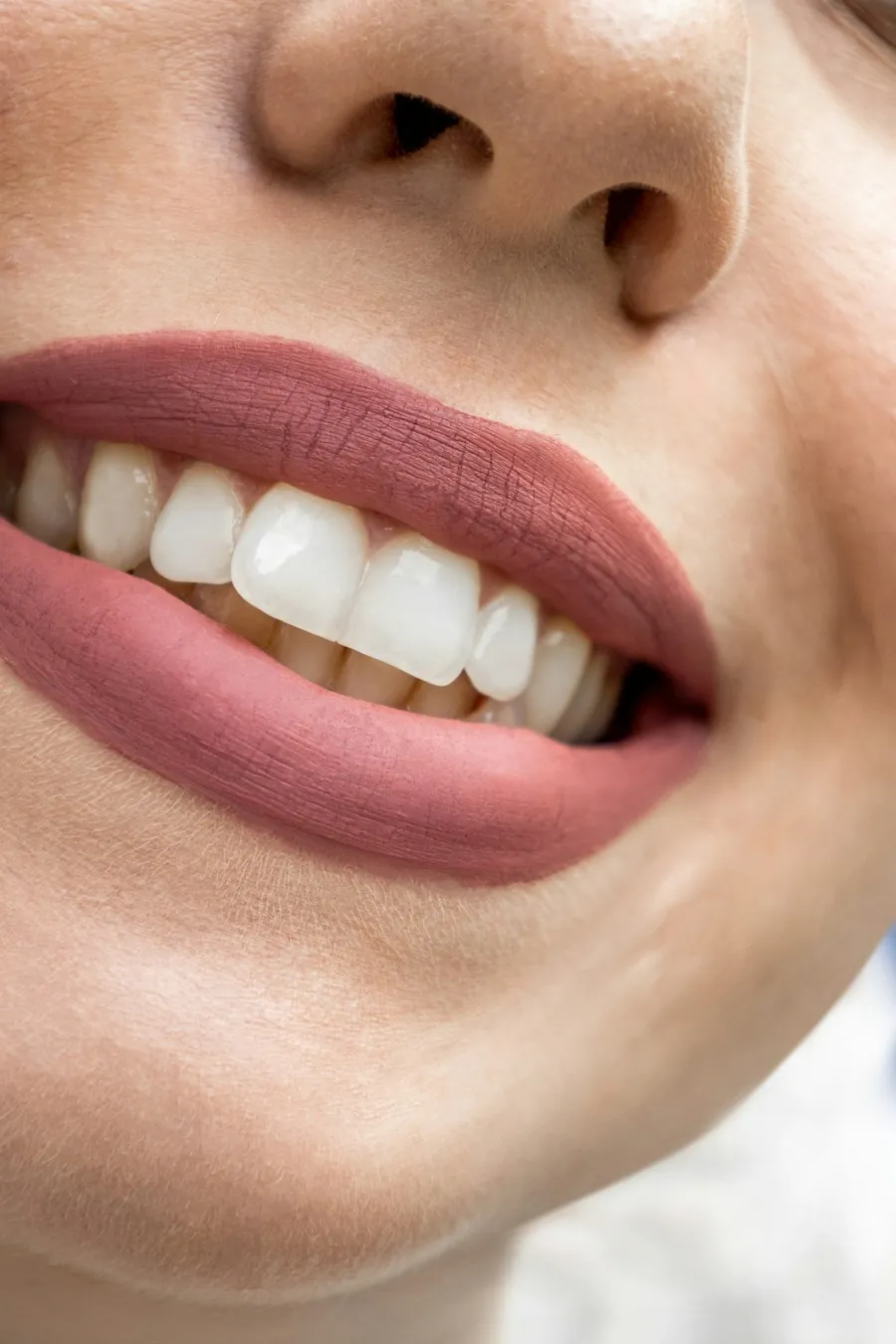
Dental bonding generally uses a tooth-colored resin material that a dentist shapes and hardens right on the tooth. It is often used to address things like small chips, gaps or uneven edges. Because the material is built up on the tooth itself, it is often completed in a single visit.
Veneers are thin shells, commonly made of porcelain or a similar material, that are designed to cover the front surface of a tooth. They are typically made to match a person's smile goals and are then attached to the tooth. Making them usually involves more than one visit, since the shells are often crafted in a dental lab.
So the simple difference in veneers vs bonding is where and how the restoration is made: bonding is sculpted directly on the tooth, while veneers are generally made separately and then placed. Only a dentist who examines your teeth can say which, if either, fits your situation.
How it’s traditionally been approached
Bonding has long been considered a more conservative, more approachable cosmetic option. Dentists have traditionally used it for smaller changes, and it often involves less alteration of the natural tooth than other restorations, though this depends on the case.
Veneers have traditionally been chosen for broader changes, such as altering the shape, color or overall look of several visible teeth. Preparing the tooth for a veneer may involve removing a small amount of tooth surface, and your dentist can explain what that means for you.
Both options can be maintained and repaired or replaced over time, and both usually work best alongside healthy gums and good daily care. Materials, techniques and dentist preferences vary, so it is normal to hear different perspectives from different practices. Neither approach is better for everyone.
How the right dentist may help
The right dentist may help by starting with a friendly conversation about what you would like to change and then examining your teeth, gums and bite. Many dentists use photos, models or digital previews to help you picture possible results. It is okay to be nervous or to feel self-conscious about your teeth; dental teams see all kinds of smiles and are there to help, not to judge.
Helpful questions to ask include: Which options might suit my goals, and why? How much natural tooth, if any, would be changed? How long might the material last, and what upkeep does it need? Are there other options, such as whitening or aligners, to consider first? Ask whether a cosmetic dentist has additional training or a portfolio of before-and-after cases you can view.
Costs vary by practice, location and case, so ask for a written treatment plan and estimate before deciding. You are always welcome to get a second opinion. Tuung can help you find independent dentists to talk with, but any decision belongs to you and your licensed dentist after an exam.

The whole-person view
How we feel about our smile can be tied up with confidence, stress and how comfortable we are in social situations. Body, mind and stress affect each other, and tension such as clenching or grinding can also play a role in how teeth look and wear. Wanting to feel good about your smile is a perfectly valid reason to explore options.
If dental anxiety or self-image worries are weighing on you, body-based support such as that offered by Somatic Experiences may be one way some people explore feeling calmer in their bodies. Talk therapy through Therapists.plus is another option some people find useful for working through anxiety or confidence concerns. These are complements to, not replacements for, a conversation with your dentist.
Somatic Experiences: nervous system regulation →Therapists.plus: anxiety panic and ocd →
Keep in mind
- Tuung is educational only and is not dental or medical advice; only a licensed dentist can examine you and recommend what is appropriate.
- Cosmetic choices are personal, and it is okay to take your time, ask questions and seek a second opinion.
- Tooth pain, swelling or infection should be checked promptly by a dentist. Facial or neck swelling with fever, trouble breathing or swallowing, uncontrolled bleeding, or a serious face or jaw injury is a medical emergency: call 911 or go to the ER.
- A knocked-out adult tooth needs a dentist right away. Ask for a written treatment plan and estimate for any cosmetic work.
Not sure where to start? Answer a few gentle questions and choose who you’d like to hear from.
Frequently asked questions
What is the difference between veneers and bonding?
Bonding uses a tooth-colored resin that a dentist shapes directly on your tooth, while veneers are thin shells typically made separately and then attached to the tooth. Bonding is often completed in one visit, and veneers usually take more than one. A dentist can explain which may fit your goals after an exam.
Are veneers or bonding better?
Neither is better for everyone, because the right choice depends on your teeth, your goals and your dentist's exam. Bonding is often discussed for smaller changes and veneers for broader ones. Ask a licensed dentist to walk you through the pros and cons for your situation.
Is bonding or a veneer more conservative for the tooth?
Bonding often involves less change to the natural tooth, though this varies by case. Veneers may involve removing a small amount of tooth surface. Ask your dentist exactly what would be done to your teeth with each option.
Which lasts longer, veneers or bonding?
Longevity varies by material, your habits, your bite and how well the work is cared for, so no one can promise a specific timeframe. Dentists often discuss that both may eventually need repair or replacement. Ask your dentist what upkeep to expect.
How much do veneers vs bonding cost?
Costs vary by practice, location and case, so there is no single answer. Ask the dentist for a written treatment plan and estimate, and ask what your dental plan, if you have one, may cover. It is fine to compare estimates from more than one practice.
Should I see a dentist before choosing veneers or bonding?
Yes, a dental exam first is wise. A licensed dentist can check for cavities, gum health and bite issues and discuss whether options like whitening, bonding or veneers make sense. Seeing a dentist helps you make a choice that is informed and comfortable.
Educational resource. Tuung shares general information and connects people with independent dentists. It is not medical advice, diagnosis or treatment. Talk with a licensed professional about your health.