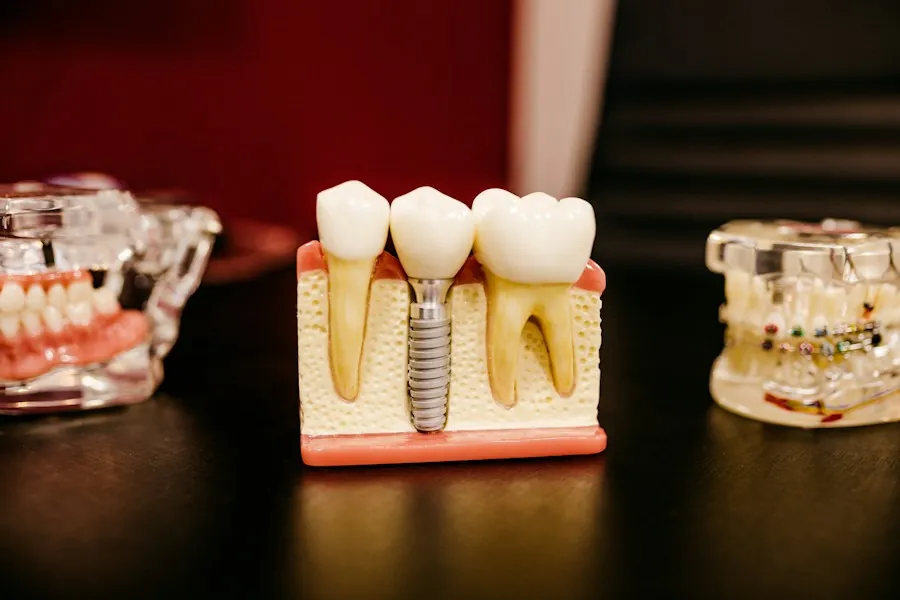
What it is
Cosmetic dentistry covers treatments that change the shape, color, size, spacing or overall appearance of teeth and gums. Many of these treatments also support how teeth look and feel together, but the main goal is usually the appearance of your smile.
Porcelain veneers are thin, custom-made shells that are attached to the front of teeth. Composite bonding uses tooth-colored resin that a dentist shapes directly onto the tooth. Tooth contouring gently reshapes small areas of enamel, and gum contouring reshapes the gumline so teeth and gums look more balanced.
Smile design is the planning side of it all. A dentist looks at your teeth, gums, lips and face together and talks with you about what you'd like to see change. Not every option suits every person, which is why an exam by a licensed dentist comes first.
How it’s traditionally been approached
Cosmetic concerns have long been addressed with restorative techniques. Chips, gaps, uneven edges and stained teeth were often handled with materials placed on or around the natural tooth, with the specific approach depending on the dentist and the situation.
Bonding is often described as a more conservative, same-visit style of treatment because the dentist builds up and shapes material right in the chair. Veneers are typically described as a more involved process that usually takes more than one visit and uses a dental lab to craft the shells.
Gum and tooth contouring have traditionally been used for smaller refinements. Some dentists do this work themselves, while others refer to a periodontist, a dental specialist in gum care, for gum procedures. Orthodontic options, such as braces or clear aligners, are another traditional route for gaps and alignment.
How the right dentist may help
The right dentist may help by listening to what bothers you, examining your teeth and gums, and explaining which options could be possibilities. A first visit often includes a conversation, a look at your mouth, and sometimes photos, X-rays or impressions. Nothing about a consultation means you have to commit to anything.
Good questions to ask include: What options might fit my goals? What does each involve, and does it change the natural tooth? How long might it last, and how do I care for it? Can I see before-and-after photos of your own work? You can also ask for a written treatment plan and estimate, since costs vary by practice, location and case.
If you feel nervous, tell the team. Many dental offices are used to anxious patients and can explain each step, build in breaks, or discuss comfort options. Only dentists permitted by their state dental board provide sedation, so it's fine to ask about their training and what is available.

The whole-person view
How we feel about our smile can be tied up with confidence, stress and how we show up around other people. Body, mind and stress affect each other, so worry about your teeth can feel heavy, and that's very common. There is no shame in wanting to feel comfortable with your smile, or in taking your time to decide.
If dental anxiety or stress is part of the picture, body-based support such as Somatic Experiences may help some people feel calmer in their bodies. Talk therapy through Therapists.plus is another option some people explore to work through worries about appearance or dental visits. These are complements to dental care, not replacements for it.
Somatic Experiences: nervous system regulation →Therapists.plus: anxiety panic and ocd →
Keep in mind
- Tuung is educational only and is not dental or medical advice; only a licensed dentist can examine you and recommend what is appropriate.
- Cosmetic work should come after a check for decay, gum health and bite, since healthy teeth and gums are the foundation for any cosmetic treatment.
- Pain, swelling or infection needs prompt attention from a dentist. Facial or neck swelling with fever, trouble breathing or swallowing, uncontrolled bleeding, or a serious face or jaw injury is a medical emergency, so call 911 or go to the ER. A knocked-out adult tooth needs a dentist right away.
- Costs, timelines and results vary by practice, location and case, so ask for a written treatment plan and estimate before you decide.
Dentists
We’re welcoming founding dentists for cosmetic dentistry (veneers & bonding) now. Get matched or list your practice.
Frequently asked questions
What is cosmetic dentistry?
Cosmetic dentistry is dental care aimed at improving the look of your teeth and gums. It can include porcelain veneers, composite bonding, tooth and gum contouring, and smile design. A licensed dentist can examine you and explain which options may be possible.
What is the difference between veneers and bonding?
Veneers are thin, custom-made shells, often porcelain, that attach to the front of teeth, while bonding uses tooth-colored resin shaped directly on the tooth. Bonding is often done in a single visit, and veneers usually take more than one. A dentist can explain which may suit your situation after an exam.
Can a chipped front tooth be fixed?
Often there are options, such as bonding, a veneer or another restoration, but the right choice depends on the size of the chip and the health of the tooth. See a licensed dentist for an exam. If the chip comes with pain, swelling or a loose tooth, contact a dentist promptly.
How can a gap between teeth be addressed?
A gap may be approached with bonding, veneers or orthodontic options such as braces or aligners, depending on the cause and your goals. A dentist can examine your teeth and gums and talk through the possibilities. Costs and timelines vary by practice and case.
How do I find veneers near me?
Start by looking for licensed dentists (DDS or DMD) in your area who offer cosmetic services, and book a consultation. Ask to see before-and-after photos of their own work and request a written treatment plan and estimate. You can use Tuung's directory to explore independent dentists.
Is cosmetic dentistry safe and does it hurt?
Comfort and safety depend on the procedure and your health, so a licensed dentist should evaluate you first. Many cosmetic procedures use local numbing when needed, and some, like light contouring, may need little or none. Tell your dentist about any nervousness, and ask what comfort options they offer.
Educational resource. Tuung shares general information and connects people with independent dentists. It is not medical advice, diagnosis or treatment. Talk with a licensed professional about your health.