What it is
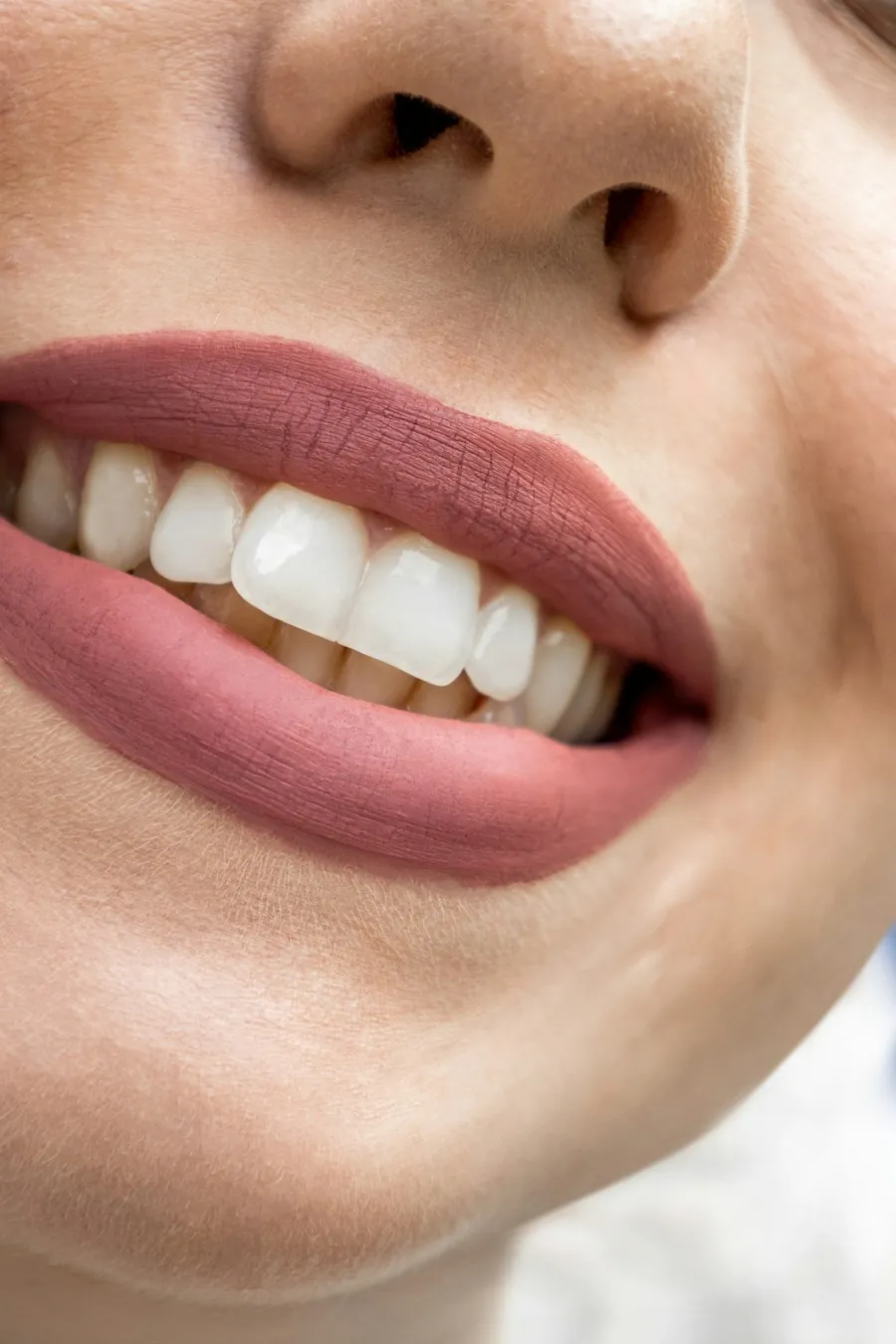
Porcelain veneers are thin shells made of dental ceramic. They are custom-made to cover the front surface of a tooth. Because they are shaped and shaded for each person, they are often used to change how a tooth looks.
People often ask about veneers for teeth that are chipped, stained, uneven, worn, or spaced apart. They are considered a cosmetic (appearance-focused) option, though a dentist will also look at the health and strength of your teeth first.
Veneers are different from dental bonding, which uses tooth-colored resin shaped right on the tooth, and from crowns, which cover most or all of a tooth. A dentist can explain how each option differs and what they involve, so you can compare them with confidence.
How it’s traditionally been approached
Traditionally, porcelain veneers have been made in a dental lab from an impression or digital scan of your teeth. The dentist then bonds them to the teeth with dental cement. Many practices now use digital scans, and methods vary from office to office.
Placing veneers has usually involved removing a small amount of tooth surface so the veneer sits naturally. Some styles are described as needing little or no removal. Whether that applies to a given person is something only a dentist can judge after an exam.
Other cosmetic approaches include professional or at-home teeth whitening, bonding, clear aligners or braces for alignment, and crowns. Each has its place, and none is better for everyone. Many people combine approaches over time.
How the right dentist may help
The right dentist may help by starting with a friendly conversation about what you'd like to change and what's bothering you. They will typically examine your teeth and gums, and may take photos, X-rays, or scans. They might also check for things like decay or gum concerns that are usually addressed first.
A visit is generally a chance to ask questions at your own pace. You may want to ask whether veneers are a good fit for your teeth, what the alternatives are, and what the process involves. You can also ask about how the shade and shape are chosen, and whether you can preview the look beforehand.
Helpful questions include: How much experience do you have with veneers? Can I see photos of past cases? What happens if one chips or comes off? How should I care for them? Ask for a written treatment plan and estimate, since costs vary by practice, location and case. If you feel nervous, tell the team. Many are glad to go slowly and explain each step.

The whole-person view
How we feel about our smile can be tied to confidence, stress, and everyday comfort. Body, mind, and stress all affect each other. Clenching or grinding teeth, for example, is often linked to tension, and it can matter for how teeth wear and how restorations hold up. A dentist can talk with you about this.
If dental anxiety or self-consciousness about your smile weighs on you, you aren't alone, and there's no shame in it. Somatic Experiences offers body-based support for calming stress, and Therapists.plus can connect you with talk therapy. Both are optional extras alongside caring for your teeth.
Somatic Experiences: nervous system regulation →Therapists.plus: anxiety panic and ocd →
Keep in mind
- Porcelain veneers are a cosmetic choice, and only a licensed dentist can decide after an exam whether they suit your teeth. This page is not dental or medical advice.
- Costs, timelines, and how long veneers last vary by practice, location and case, so ask for a written treatment plan and estimate before you decide.
- Pain, swelling, or infection should be checked by a dentist promptly. Facial or neck swelling with fever, trouble breathing or swallowing, uncontrolled bleeding, or a serious face or jaw injury is a medical emergency: call 911 or go to the ER.
- If you feel overwhelmed or in crisis, call or text 988. A knocked-out adult tooth needs a dentist right away.
Not sure where to start? Answer a few gentle questions and choose who you’d like to hear from.
Frequently asked questions
What are porcelain veneers?
Porcelain veneers are thin, custom-made ceramic shells that a dentist bonds to the front of teeth to change their color, shape, or look. They are considered a cosmetic option. A dentist can tell you whether they fit your situation after an exam.
How do porcelain veneers differ from bonding?
Bonding uses tooth-colored resin that a dentist shapes directly on the tooth, while porcelain veneers are ceramic shells usually made in a lab. Each has different steps and trade-offs. A dentist can walk you through both so you can compare them.
Does getting porcelain veneers hurt?
Comfort varies from person to person, and dentists typically take steps to keep you comfortable, such as numbing the area when needed. If you're nervous, tell the dental team ahead of time. Ask what to expect at each visit so there are no surprises.
How much do porcelain veneers cost?
Costs vary by practice, location and case, so there is no single answer. Ask the dentist for a written treatment plan and estimate, and ask what your dental insurance, if you have it, may or may not cover. Cosmetic work is often treated differently from other dental care.
How long do porcelain veneers last?
It depends on the person, the materials, the dentist's technique, and daily habits such as grinding or chewing hard items. A dentist can give you a realistic picture for your own mouth. Ask how to care for them and what follow-up visits are recommended.
Who places porcelain veneers?
Porcelain veneers are placed by licensed dentists (DDS or DMD), often those who focus on cosmetic dentistry. Dentists are licensed by their state dental board. Ask about their experience and look at examples of their work before choosing.
Educational resource. Tuung shares general information and connects people with independent dentists. It is not medical advice, diagnosis or treatment. Talk with a licensed professional about your health.