What it is
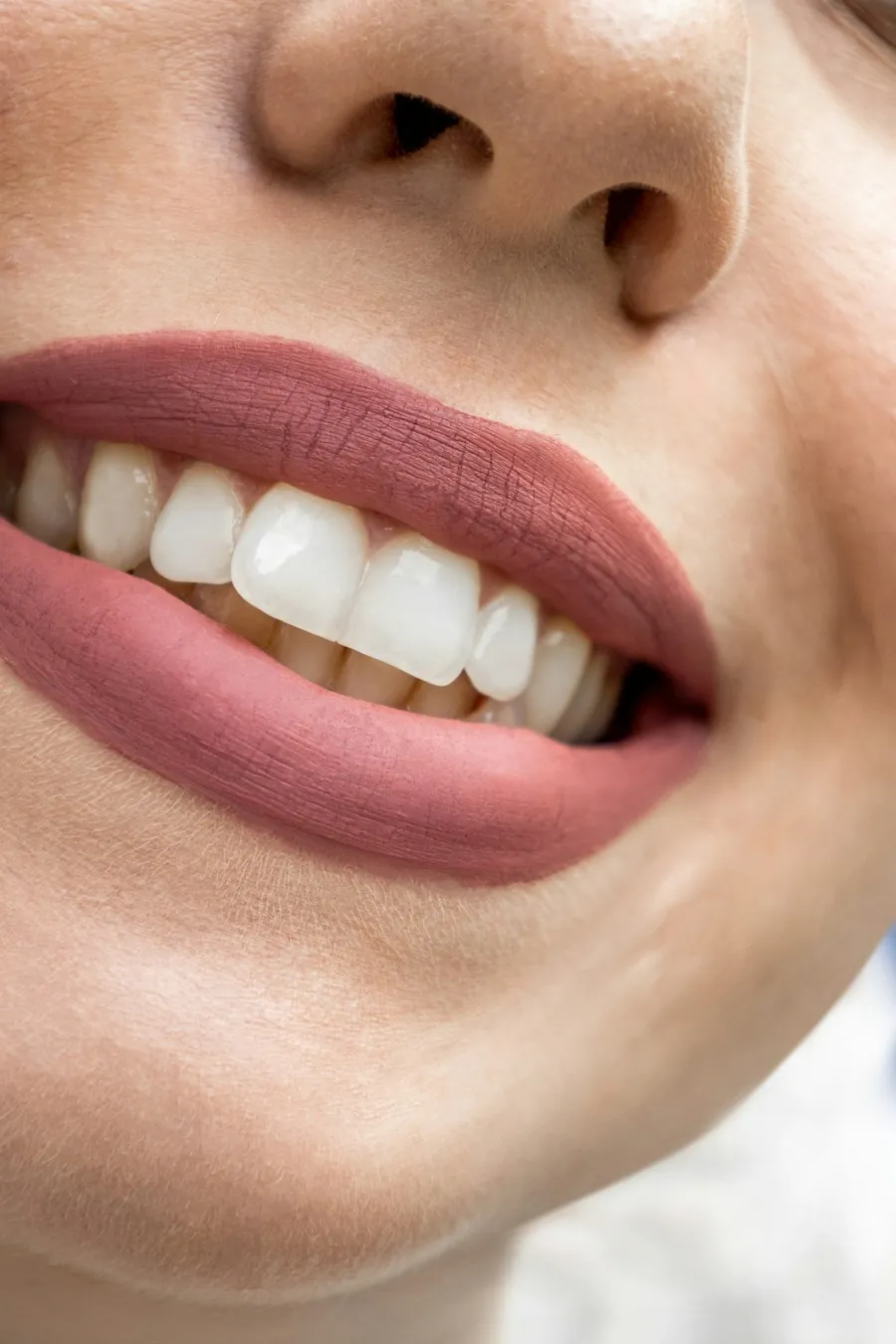
Teeth whitening is a cosmetic way to lighten the color of teeth. It usually works by using a bleaching agent that lightens stains in and on the tooth surface. It does not change the natural shade potential of every tooth in the same way.
When people ask how long teeth whitening lasts, they are really asking how long the brighter shade stays noticeable. There is no single answer. Results can fade gradually as everyday life, like food, drink and aging, adds new stains over time.
Whitening comes in several forms: in-office treatment, take-home trays from a dentist, and over-the-counter strips, gels and toothpastes. Some are regulated as cosmetic products and some contain bleaching ingredients. A dentist can explain the differences and what fits your situation.
How it’s traditionally been approached
Traditionally, whitening has been done in two broad ways: professionally supervised by a dental office, or at home with products bought without a prescription. Both have long been used, and each has its own convenience and tradeoffs.
Dentists have commonly looked at what is causing the discoloration first. Surface stains from coffee, tea, red wine or tobacco may respond differently than stains from within the tooth, such as those linked to aging, certain medications or past injury.
Because results fade at different rates, whitening has often been treated as something people may refresh occasionally rather than a one-time, permanent change. Some people choose other cosmetic options, like bonding or veneers, when whitening is not a good fit. Whitening does not lighten crowns, fillings or veneers.
How the right dentist may help
The right dentist may help you understand what is likely behind your tooth color and whether whitening is a reasonable option. A visit usually starts with an exam and a conversation about your goals, your teeth and your gums. Problems like cavities or gum concerns are often addressed before whitening, since whitening is not suited to every situation.
If whitening makes sense, a dentist can walk you through the options, including in-office and take-home choices, and explain what each involves. They may also talk about habits that affect how long results last and how to care for your teeth afterward. It is a friendly, no-judgment conversation, and you can go at your own pace.
Helpful questions to ask: Why are my teeth the shade they are? Which whitening options might suit me? How might my existing fillings or crowns affect the result? What sensitivity could I notice? How might I keep results looking fresh, and what would a written treatment plan and estimate look like? Costs vary by practice, location and case.

The whole-person view
Feeling good about your smile is connected to how you feel overall. Body, mind and stress affect each other, and things like stress, sleep and daily habits can show up in your mouth, from teeth grinding to what we reach for in a busy day. Caring for your teeth can be one piece of caring for the whole person.
If dental visits make you nervous, you are far from alone. Body-based support such as Somatic Experiences may help some people feel more settled in their bodies, and talk therapy through Therapists.plus may help others work through dental anxiety. These are possibilities to explore, and no approach is better than another.
Somatic Experiences: nervous system regulation →Therapists.plus: anxiety panic and ocd →
Keep in mind
- Tuung is educational only and is not dental or medical advice. Only a licensed dentist can examine you and say what is appropriate for your teeth.
- Whitening results, sensitivity and how long things last differ for everyone, so there are no guarantees. Ask a dentist about any product you are considering, including at-home kits.
- Tooth pain, swelling or infection should be checked by a dentist promptly. Facial or neck swelling with fever, trouble breathing or swallowing, uncontrolled bleeding, or a serious face or jaw injury is a medical emergency: call 911 or go to the ER. A knocked-out adult tooth needs a dentist right away.
- If you are feeling overwhelmed or in crisis, call or text 988 for the Suicide & Crisis Lifeline.
Not sure where to start? Answer a few gentle questions and choose who you’d like to hear from.
Frequently asked questions
How long does teeth whitening last?
It varies widely from person to person, so no single timeline fits everyone. Results depend on the type of whitening, your teeth, and habits like coffee, tea, red wine and tobacco. A licensed dentist can give you a realistic idea after an exam.
Does in-office whitening last longer than at-home whitening?
Not necessarily, and it depends on the person. The way the shade holds up is influenced by your habits, your teeth and how you care for them as much as by the method. A dentist can explain the differences between options and what to expect.
What makes teeth whitening fade faster?
Foods and drinks that stain, such as coffee, tea, dark sodas and red wine, can make results fade sooner, as can tobacco. Natural aging and gradual wear also play a part. Everyday brushing, flossing and regular dental visits help keep teeth looking their best.
Can I get my teeth whitened again?
Many people do touch up their whitening, but how often and how safely depends on your teeth and gums. Ask a licensed dentist before repeating treatment, since overuse of some products may cause sensitivity or irritation.
Does whitening work on crowns, fillings or veneers?
No, whitening generally does not change the color of crowns, fillings, veneers or bonding. This can lead to uneven shades if natural teeth are lightened. A dentist can talk through options, including replacing or matching restorations, if that matters to you.
Should I see a dentist before whitening my teeth?
Yes, a dental exam first is a wise step, whether you choose in-office, take-home or over-the-counter whitening. A dentist can check for cavities, gum concerns or sensitivity and help you decide what fits. Ask for a written treatment plan and estimate, since costs vary by practice and location.
Educational resource. Tuung shares general information and connects people with independent dentists. It is not medical advice, diagnosis or treatment. Talk with a licensed professional about your health.