What it is
Fluoride is a naturally occurring mineral. It is found in water, soil and some foods, and it is added to many toothpastes and mouth rinses.
In dentistry, fluoride is best known for helping teeth resist the acids made by everyday bacteria and sugars in the mouth. Teeth are always going through small cycles of losing and regaining minerals, and fluoride is one of the things that may support that process.
Children get fluoride in different ways. Some sources are everyday ones, like toothpaste and, in some communities, tap water. Others, like varnishes or gels, are applied at a dental office. What suits your child depends on their age, habits and the exam findings.
How it’s traditionally been approached
For many years, dental care has included fluoride as part of cavity prevention. Fluoride toothpaste is widely recommended in dental offices, and community water fluoridation is used in many places.
Dentists have also traditionally offered in-office fluoride treatments, often a varnish painted onto the teeth, at checkups for children. Whether your child gets one is usually decided case by case.
Families and professionals sometimes hold different views on fluoride, and questions about how much is right at each age are normal. Fluoride products are regulated, and the FDA oversees fluoride toothpaste and many related products. Your dentist can explain the labels and the guidance that apply to your child.
How the right dentist may help
The right dentist, often a pediatric dentist or a family dentist who enjoys working with kids, may help by looking at your child's teeth, diet, brushing habits and your local water situation. From there, they can talk through whether fluoride products make sense for your child. They can't promise any particular result, but they can explain what is known and what is a good fit.
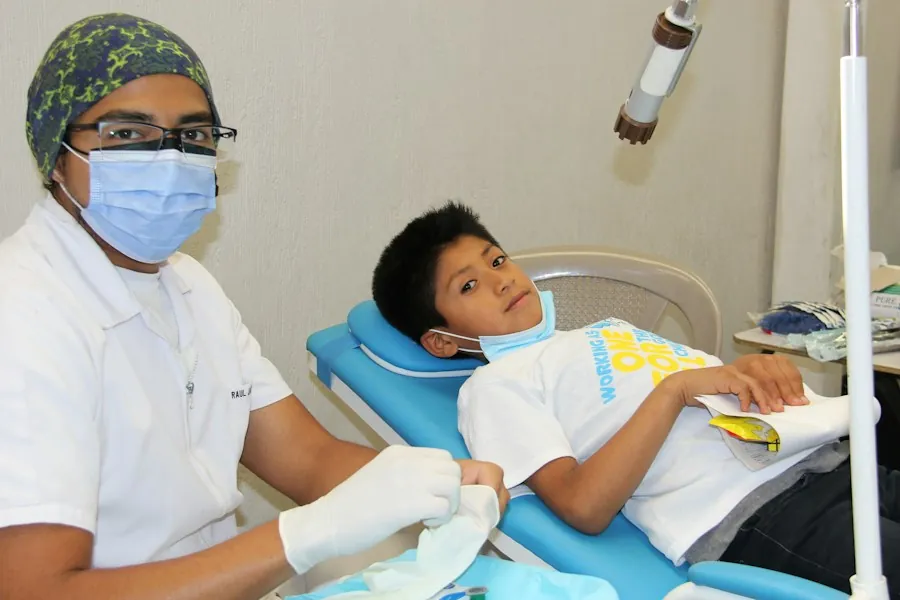
A visit is usually relaxed and gentle, especially in kid-friendly offices. Expect a quick exam, a cleaning by a hygienist or dentist, and a chat about home care. If a fluoride treatment is recommended, the dentist can show you what it involves and what your child may feel, which is often very little.
Questions you might ask: Does my child's age or cavity risk change how fluoride should be used? How much toothpaste should my child use, and how should we handle swallowing? Do we need to think about our water source? Are there fluoride products you would or would not suggest for us, and why? If your child may need braces someday, an orthodontist can also talk about keeping teeth healthy during treatment.

The whole-person view
Children's mouths are part of their whole health. Sleep, food, stress and daily routines all affect each other, and so do habits like snacking and brushing. A calm, positive dental experience can help kids feel more at ease with caring for their bodies.
If your child feels nervous at the dentist, you're not alone, and there's no shame in it. Body-based support, such as the approaches offered through Somatic Experiences, may help some families explore how stress shows up physically. Talk therapy through Therapists.plus may also help children or parents who carry strong dental worries.
Somatic Experiences: nervous system regulation →Therapists.plus: anxiety panic and ocd →
Keep in mind
- Tuung is educational only and is not dental or medical advice. Only a licensed dentist can examine your child and recommend what is appropriate.
- Fluoride products should be used the way your dentist or the product label directs, and kept out of children's reach. If you think a child swallowed more than they should, call Poison Control or your doctor right away.
- Facial or neck swelling with fever, trouble breathing or swallowing, uncontrolled bleeding, or a serious face or jaw injury is a medical emergency. Call 911 or go to the ER. A knocked-out adult tooth needs a dentist right away.
- Costs and coverage vary by practice, location and case, so ask for a written treatment plan and estimate. If you or someone you love is in a crisis, call or text 988.
Not sure where to start? Answer a few gentle questions and choose who you’d like to hear from.
Frequently asked questions
Is fluoride for kids safe?
Fluoride is widely used in children's dental care when it follows product directions and a dentist's guidance. The amount matters and changes with age, so ask your child's dentist what is right for your family. Fluoride products are regulated, and your dentist can explain the details.
At what age should kids start using fluoride toothpaste?
Your child's dentist or doctor is the best person to say when to start, because it depends on your child's age and risk factors. Dentists commonly talk with parents about using only a small amount of toothpaste and helping young children avoid swallowing it. Ask at your next visit for a simple demonstration.
What is a fluoride treatment at the dentist?
A fluoride treatment is a product, often a varnish or gel, that a dental professional applies to the teeth during a visit. It is usually quick and painless. Your dentist decides whether it makes sense for your child after an exam.
Does my child need fluoride if our water is fluoridated?
Not always the same way for every child, so it's worth asking your dentist. Water is one source among several, including toothpaste and in-office products. Your dentist can consider your water, your child's diet and their cavity history together.
What is dental fluorosis?
Dental fluorosis is a change in how developing teeth look, such as faint white marks, that can happen when a child gets too much fluoride while teeth are forming. Using fluoride products as directed is meant to help avoid it. If you notice changes in your child's teeth, a dentist can take a look and explain what they see.
Who should I see about fluoride for my child?
A pediatric dentist or a general dentist who sees children is a great place to start. Hygienists also help with cleanings and home-care tips under state rules. An orthodontist may weigh in if braces are part of your child's future.
Educational resource. Tuung shares general information and connects people with independent dentists. It is not medical advice, diagnosis or treatment. Talk with a licensed professional about your health.