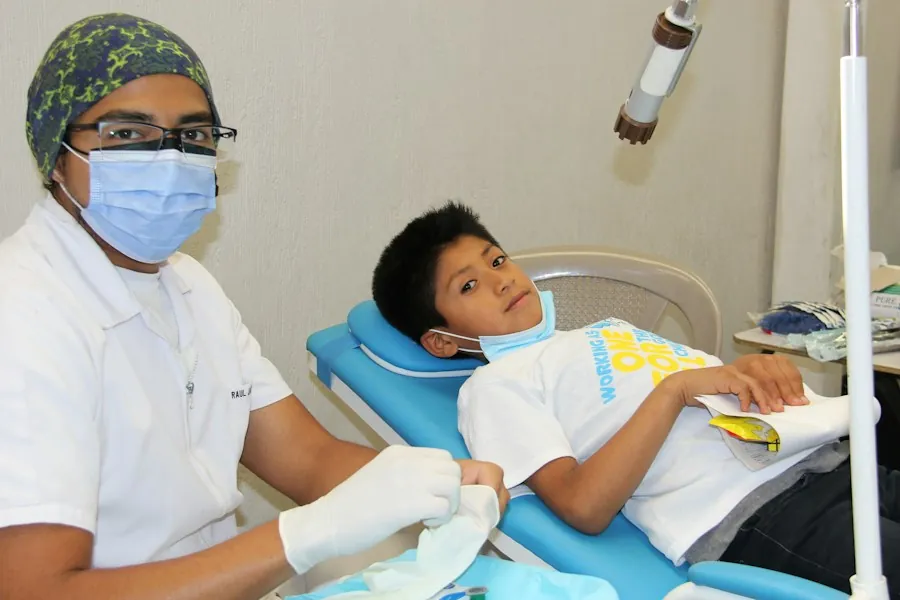
What it is
A child's first dental visit is the first appointment where a licensed dentist looks at your child's mouth, teeth, gums and jaw. For many children it's more about getting comfortable than about treatment. The visit also gives parents a chance to ask questions about brushing, feeding habits, thumb-sucking, pacifiers and more.
Many families schedule this visit around when the first tooth comes in or near the first birthday, though the right timing for your child is something a dentist can talk with you about. If your child is older and hasn't been yet, that's perfectly okay. There's no shame in starting now, and dental offices see new patients of every age.
The visit may be with a general dentist who sees children or with a pediatric dentist, a dental specialist with additional training in caring for infants, kids and teens. Either may be a good fit depending on your child's needs, your comfort level and what's available near you.
How it’s traditionally been approached
Traditionally, early dental visits have focused on getting children used to the setting, checking how teeth and jaws are developing, and giving parents guidance. Dentists often use simple, kid-friendly language and let children see or touch tools before anything happens.
Younger children are often examined in a "knee-to-knee" position with a parent, or may sit on a parent's lap in the chair. A dentist or hygienist may gently count teeth, look at the gums, and gently clean teeth, depending on the child's age and comfort.
Over time, regular checkups and cleanings have been the usual way families keep an eye on a child's oral health. If questions come up later about bite, crowding or jaw growth, a general or pediatric dentist may suggest a conversation with an orthodontist, a specialist in tooth and jaw alignment.
How the right dentist may help
The right dentist may help make the first visit a positive experience. Many offices are set up for kids, with patient, calm teams who explain things step by step. A visit commonly includes a look at the teeth and gums, a gentle cleaning, and time for your questions. What happens exactly depends on your child's age, comfort and needs, and the dentist decides that after an exam.
Questions you might ask include: How do you help nervous children feel comfortable? Can I stay with my child during the visit? How often would you suggest checkups for my child? What should we do about thumb-sucking, pacifiers or night-time bottles? How do you handle dental emergencies, like a chipped tooth or a knocked-out tooth?
It can also help to ask what's covered in the visit, and to request a written treatment plan and estimate if anything beyond a checkup is recommended. Costs vary by practice, location and case, and insurance plans differ, so it's fine to ask about this ahead of time. You can also let the office know if your child has special health needs or has been anxious about new places.

The whole-person view
Body, mind and stress all affect each other, and that includes how kids feel about the dentist. A child who is tired, hungry or picking up on a parent's worry may feel more nervous, while a calm, rested child in a friendly setting may find the visit easier. Simple things like reading a picture book about the dentist, playing "dentist" at home, and choosing a good time of day can help.
If a child (or parent) carries a lot of worry about medical or dental settings, body-based support such as Somatic Experiences may be one way some families explore calming the nervous system. Talk therapy through a resource like Therapists.plus may also help older kids or adults with dental anxiety. These are optional paths, and what's right for your family is a conversation with qualified professionals.
Somatic Experiences: nervous system regulation →Therapists.plus: anxiety panic and ocd →
Keep in mind
- Tuung is educational only and is not dental or medical advice; only a licensed dentist can examine your child and recommend what's appropriate.
- Facial or neck swelling with fever, trouble breathing or swallowing, uncontrolled bleeding, or a serious face or jaw injury is a medical emergency: call 911 or go to the ER.
- A knocked-out adult (permanent) tooth needs a dentist right away, so call a dental office immediately for guidance.
- If you or your child feel overwhelmed or in crisis, call or text 988 (Suicide & Crisis Lifeline); there's no judgment about dental anxiety or the state of anyone's teeth.
Not sure where to start? Answer a few gentle questions and choose who you’d like to hear from.
Frequently asked questions
When should my child have their first dental visit?
Many dentists suggest a first visit around when the first tooth appears or near the first birthday. Your child's dentist can tell you what timing makes sense for your family. If your child is older and hasn't been yet, it's okay to schedule one now.
What happens at a child's first dental visit?
A child's first dental visit usually includes a gentle look at the teeth, gums and jaw, and sometimes a light cleaning. The dentist also answers your questions about brushing, feeding and habits like thumb-sucking. Exactly what happens depends on your child's age and comfort.
Should my child see a pediatric dentist or a regular dentist?
Either can be a good choice. Pediatric dentists are specialists with additional training in caring for children, while many general dentists also see kids. Ask each office about their experience with children and how they help nervous patients.
How can I help my child feel less nervous about the dentist?
Keep things simple and positive, read a children's book about the dentist, and avoid scary words. Choose a time when your child is rested and fed. You can also call ahead to ask how the office helps anxious kids.
Will my child need X-rays at the first visit?
Whether X-rays are needed is up to the dentist after examining your child. Many first visits don't involve them, especially for very young children. It's fine to ask the dentist why they are or aren't recommended.
How much does a child's first dental visit cost?
Costs vary by practice, location and case, and insurance plans differ. Call the office ahead of time to ask what the visit includes and what to expect. If anything beyond a checkup is recommended, ask for a written treatment plan and estimate.
Educational resource. Tuung shares general information and connects people with independent dentists. It is not medical advice, diagnosis or treatment. Talk with a licensed professional about your health.