What it is
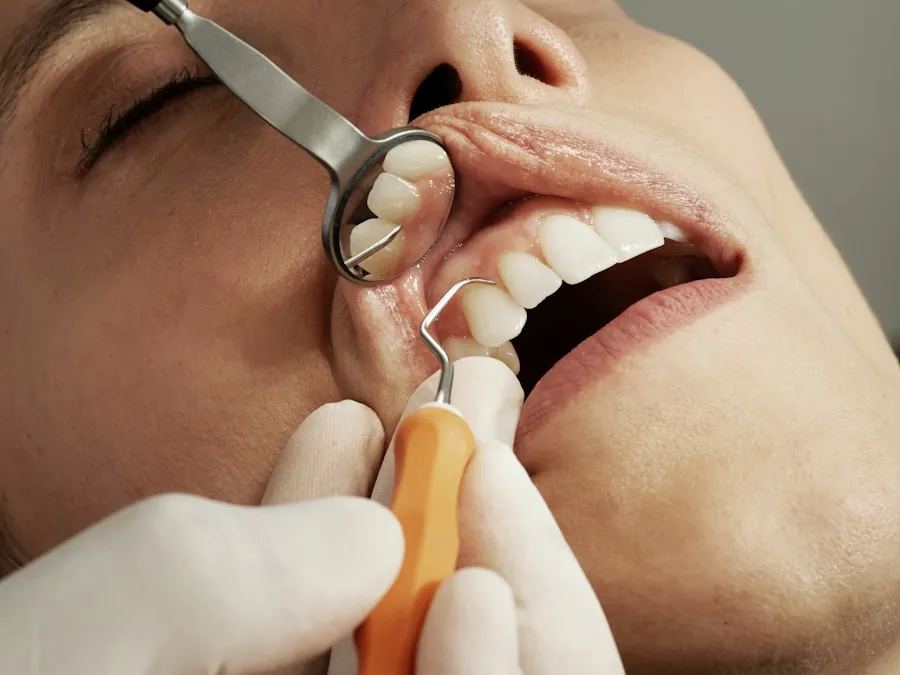
A family dentist is a dentist (DDS or DMD) licensed by a state dental board to care for patients of many ages. Many families like having one practice for everyone, which can make scheduling simpler and visits feel familiar.
A pediatric dentist is a dental specialist with additional training in caring for infants, children and teens, including children with special health care needs. Their offices are often designed to feel welcoming to little ones.
Routine care usually includes exams and cleanings. Cleanings are often done by a dental hygienist working under state rules, with the dentist reviewing your child's mouth. An orthodontist is another specialist who focuses on how teeth and jaws line up, and an orthodontic check may come up as children grow.
How it’s traditionally been approached
Families have traditionally started dental care early, often around the time the first tooth appears or around a first birthday. Regular visits have long been the usual way to keep an eye on how teeth and gums are developing.
Preventive care has been a cornerstone of children's dentistry. That commonly includes cleanings, conversations about brushing and flossing, and talking through food and drink habits, with the dentist deciding what is appropriate for each child.
Orthodontic evaluations have traditionally happened as baby teeth give way to adult teeth, and sometimes later in the teen years. Some families see an orthodontist after a referral from their dentist, and others schedule a consultation on their own. Whether any treatment is advised depends on an exam.
How the right dentist may help
The right dentist may help your child feel comfortable and help you understand what you're seeing in their mouth. A first visit is often gentle and short. It may include a look at the teeth and gums, a simple cleaning, and time for your questions. Many offices let children sit in a parent's lap or meet the team first.
Helpful things to ask include: How do you help nervous children feel at ease? Do you see children of all ages, or should we see a pediatric dentist? How often do you suggest checkups for our family? What should we do between visits, and who do we call if something happens after hours?
When orthodontics comes up, you can ask what the dentist is noticing, whether a visit with an orthodontist makes sense, and what options may exist. It's fine to ask for a written treatment plan and estimate. Costs vary by practice, location and case, and you can ask how insurance or payment options work.

The whole-person view
Mouths, bodies and feelings are connected. Stress, sleep, nutrition and daily routines can all touch how a child feels about brushing and visiting the dentist. A calm, encouraging approach at home and in the office can help build trust over time, and there is no shame in a child, or a parent, feeling nervous.
If dental worry runs deep for your child or yourself, support is available. Somatic Experiences offers body-based support for stress and tension, and Therapists.plus connects people with talk therapy. These are options some families explore alongside regular dental care.
Somatic Experiences: nervous system regulation →Therapists.plus: anxiety panic and ocd →
Keep in mind
- Tuung is educational only. It is not dental or medical advice, and only a licensed dentist can examine your child and recommend care.
- Facial or neck swelling with fever, trouble breathing or swallowing, uncontrolled bleeding, or a serious face or jaw injury is a medical emergency. Call 911 or go to the ER.
- A knocked-out adult tooth needs a dentist right away. For tooth pain or swelling, contact a dentist promptly.
- If anyone in your family is in emotional crisis, call or text 988 (the Suicide & Crisis Lifeline).
Dentists who often help
Get matched privatelyFrequently asked questions
When should my child first see a family dentist?
Many families schedule a first visit around the time the first tooth appears or by a first birthday. Your dentist can tell you what timing makes sense for your child. Early visits are usually short and focused on getting comfortable.
What is the difference between a family dentist and a pediatric dentist?
A family dentist treats patients of many ages, while a pediatric dentist is a specialist with additional training in caring for children and teens. Either may be a good fit depending on your child's needs and your comfort. You can ask a practice about its experience with kids.
What happens at a child's first dental visit?
A first visit is typically gentle and may include a look at the teeth and gums, a light cleaning and a chat about home care. Parents are welcome to ask questions. Each office does things a little differently, so it's fine to call ahead and ask.
How often should my child get a dental cleaning?
Your child's dentist decides how often visits make sense based on an exam. Many families follow a regular checkup schedule, but the right timing can differ from child to child. Ask your dentist what they recommend for yours.
When should my child have an orthodontic check?
Timing varies, and your dentist can tell you when a visit with an orthodontist may be worthwhile. Many children are first evaluated as their adult teeth come in. An exam, not a rule of thumb, is what guides that decision.
How can I help my nervous child feel okay at the dentist?
Talk about the visit in a calm, positive way and ask the office how they help anxious children. Many practices offer a meet-and-greet or a slower first visit. Feeling nervous is common, and a patient, kind team can make a big difference.
Educational resource. Tuung shares general information and connects people with independent dentists. It is not medical advice, diagnosis or treatment. Talk with a licensed professional about your health.