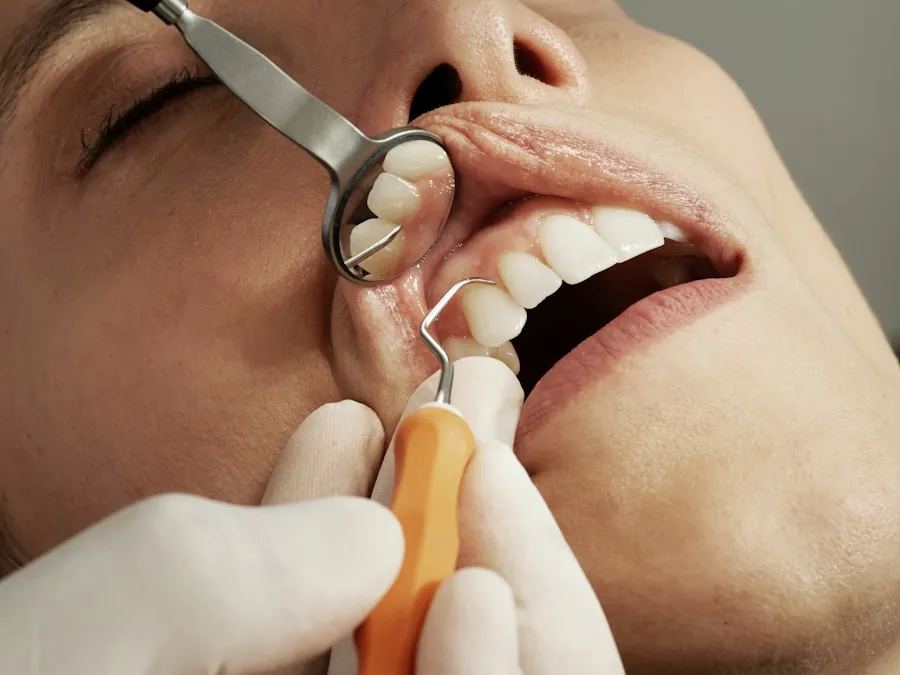
What it is
Sedation dentistry means using medicine, along with a calm, patient approach, to help people feel more relaxed during dental care. It is not one single thing. Options range from mild to deeper levels of relaxation, and which one is appropriate is decided by a licensed dentist after an exam and a conversation about your health.
Dental anxiety can look different for everyone. For some people it is a general uneasiness, and for others it comes from a past experience, fear of pain, dislike of sounds and smells, or feeling out of control lying back in the chair. All of these are valid, and a good practice will listen without judgment.
Sedation is given only by dentists who are permitted to provide it under their state dental board's rules. Sedation medications are regulated by the FDA as prescription products, so it is wise to ask any provider what they offer, how they are trained and permitted, and how you will be monitored.
How it’s traditionally been approached
Traditionally, dentists have helped anxious patients in many ways that do not involve medication at all. Slow, clear explanations, scheduled breaks, a hand signal to pause, and short, gentle first visits have long been part of caring for nervous patients.
When extra comfort is wanted, dental practices have also offered different levels of sedation. These have been described in general terms as lighter relaxation options and deeper options, and some are taken by mouth, inhaled, or given another way. Which approaches are available varies from practice to practice.
General and preventive dentistry, such as exams and cleanings, is often where people begin. Many nervous patients start with a simple visit just to talk and look around, and build trust before any other care is discussed.
How the right dentist may help
The right dentist may help by making the visit feel less overwhelming. A first appointment is often mostly a conversation: you share your concerns and health history, the dentist or team explains what they see in plain English, and nothing happens that you have not agreed to. You can usually ask for an exam to be done at your pace.
Questions you might ask include: How do you help patients with dental anxiety? Do you offer sedation, and what types? Is it right for someone with my health history and medications? Who monitors me during and after? Can I take breaks? Can I have someone drive me home? These are all reasonable things to ask.
You can also ask for a written treatment plan and estimate before anything begins. Costs vary by practice, location and case, and a caring team will be happy to explain your options without pressure. Only a licensed dentist can decide what is appropriate for you after an exam.

The whole-person view
Body, mind and stress affect each other. When we feel anxious, muscles tighten, breathing gets shallow, and sensations can feel more intense, which can make a dental visit feel harder. Slow breathing, familiar comforts like music, and feeling heard may all help some people feel more at ease.
If dental fear is tied to past experiences, body-based support such as Somatic Experiences may be one way some people explore how stress is held in the body. Talk therapy through Therapists.plus is another option for people who want to talk through long-standing fears. Neither replaces dental care, and they can work alongside it.
Somatic Experiences: nervous system regulation →Therapists.plus: anxiety panic and ocd →
Keep in mind
- Tuung is educational only and is not dental or medical advice; only a licensed dentist can examine you and recommend what is appropriate.
- Facial or neck swelling with fever, trouble breathing or swallowing, uncontrolled bleeding, or a serious face or jaw injury is a medical emergency, so call 911 or go to the ER. A knocked-out adult tooth needs a dentist right away.
- Tell your dentist about your health conditions, medications and any past reactions before any sedation is discussed, and ask what to expect before and after.
- If anxiety ever feels overwhelming or you are in crisis, call or text 988 for support, and for emergencies call 911.
Dentists who often help
Get matched privatelyFrequently asked questions
Is it normal to be afraid of the dentist?
Yes, dental anxiety is very common, and you do not need to feel embarrassed. Many dental teams are experienced in caring for nervous patients. Letting them know how you feel is a good first step.
What is a sedation dentist?
A sedation dentist is a licensed dentist who is permitted by their state dental board to offer sedation to help patients relax during care. They have additional requirements to provide it. Ask any dentist about their training, permits and monitoring.
Will I be asleep during sedation dentistry?
It depends on the type of sedation, since some options leave you awake but relaxed and others are deeper. A licensed dentist decides what is appropriate after an exam and review of your health. Ask the practice to explain the levels they offer in plain English.
Can I just go in to talk before any treatment?
Yes, many practices welcome a consultation or a gentle first visit focused on conversation and an exam. You can share your fears and ask questions at your own pace. You can also ask what the team does to help you feel in control.
Is sedation dentistry safe?
Whether sedation is appropriate depends on your health, medications and the type used, so only a licensed dentist can decide after an evaluation. Sedation medications are FDA-regulated prescription products. Ask how you will be monitored and what the plan is for recovery.
How do I find a gentle dentist for dental anxiety?
Look for a licensed dentist whose practice mentions caring for anxious patients, and ask what they offer when you call. Reading how they describe their approach and asking about breaks, communication and sedation can help. Tuung's directory can help you find independent dentists to contact.
Educational resource. Tuung shares general information and connects people with independent dentists. It is not medical advice, diagnosis or treatment. Talk with a licensed professional about your health.