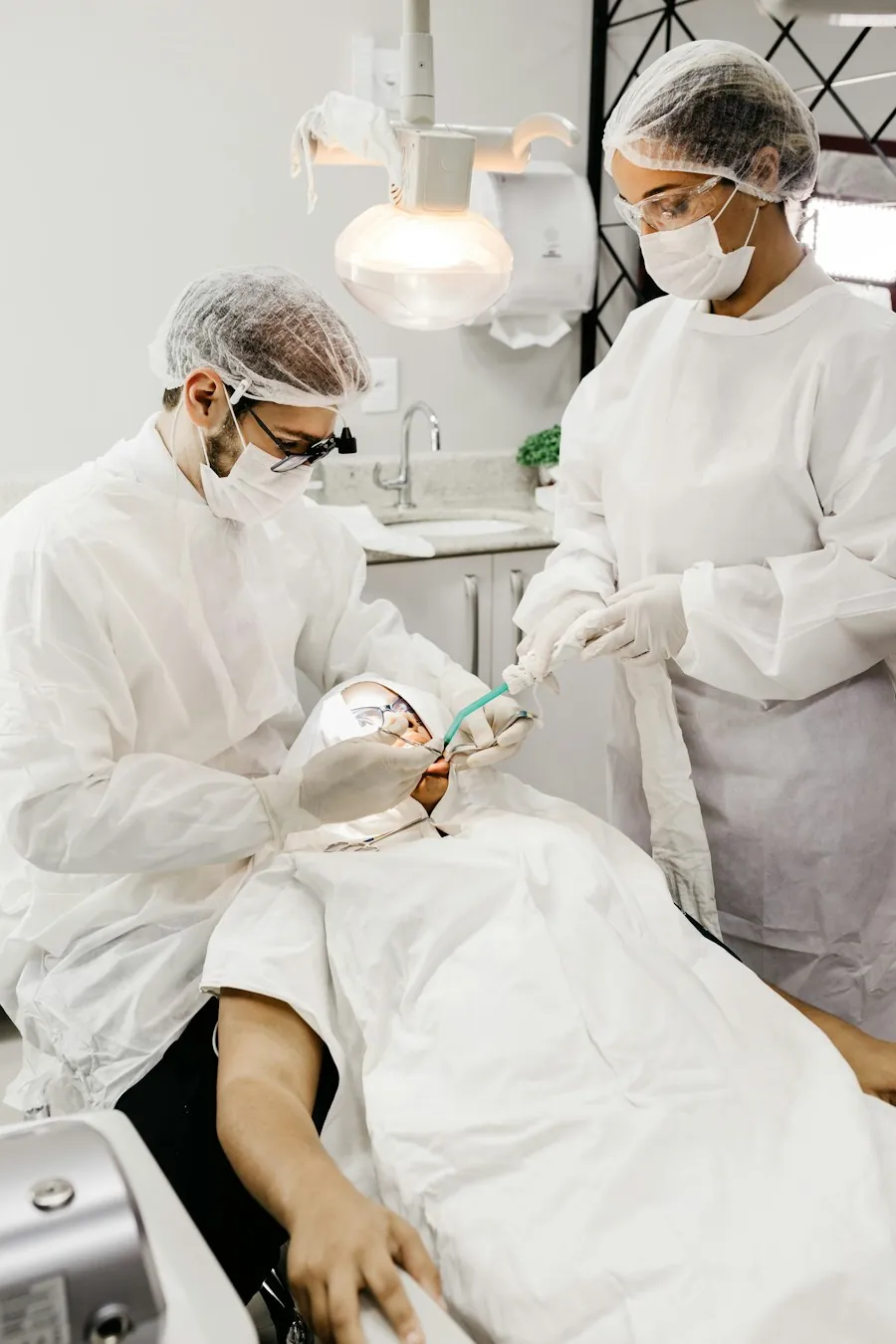
What it is
Wisdom teeth, also called third molars, are the last teeth to come in, usually at the back of the mouth in the late teens or early twenties. Some people have enough room for them, and some don't. When they are removed, a dentist or oral surgeon takes them out during a visit, and the mouth then begins to heal.
Wisdom teeth removal recovery is simply that healing time. The gum where the tooth was begins to close, and a protective blood clot generally forms in the empty space. Many people notice some soreness, swelling, or tiredness along the way, and everyone's experience is different.
How long recovery feels like it takes, and how comfortable it is, can vary from person to person. It may depend on things like how the teeth were positioned, how many were removed, and your overall health. Only a licensed dentist who has examined you can tell you what is likely in your case.
How it’s traditionally been approached
Traditionally, wisdom teeth have been removed when a dentist or oral surgeon has concerns about how they are coming in, how they affect nearby teeth, or whether they can be cleaned well. Not every wisdom tooth needs to come out, and the decision is made after an exam and usually X-rays.
After removal, the traditional approach to recovery has centered on written aftercare instructions from the dental team. These commonly cover topics such as caring for the area, eating softer foods for a while, resting, keeping the mouth clean, and avoiding habits that could disturb the healing site.
Pain and swelling management has typically been guided by the dentist, who decides what is appropriate for each patient. Follow-up visits are sometimes scheduled to check how healing is going. Practices differ, so it helps to follow the instructions you are given rather than general advice from the internet.
How the right dentist may help
The right dentist or oral surgeon may help by explaining the process before the day arrives, so there are fewer surprises. A consultation generally includes a look at your mouth, imaging, a conversation about your health history and medications, and a chance to talk through options, including whether sedation is available for people who feel anxious.
Good questions to ask include: What should I expect in the first few days? What will the aftercare instructions be, and will I get them in writing? What symptoms are normal, and which ones mean I should call you? Who do I contact after hours? You can also ask about time off work or school and whether you will need someone to drive you home.
It is also fine to ask for a written treatment plan and estimate. Costs vary by practice, location, and case, and a friendly office will be glad to walk you through them. If you feel nervous, say so. Dental teams hear this all the time and can often help you feel more at ease.

The whole-person view
Healing is a whole-person experience. Your body is mending tissue while your mind may be dealing with worry, and stress can affect how rested, tense, or sore you feel. Sleep, gentle routines, and support from the people around you can make a recovery period feel more manageable.
If dental visits bring up strong anxiety or tension, you are not alone, and there is no shame in it. Some people explore body-based support such as Somatic Experiences, and others find talk therapy through Therapists.plus helpful. These are optional ways to feel more supported alongside the care your dentist provides.
Somatic Experiences: nervous system regulation →Therapists.plus: anxiety panic and ocd →
Keep in mind
- Tuung is educational only and does not give dental or medical advice; only a licensed dentist who has examined you can say what is right for you.
- Facial or neck swelling with fever, trouble breathing or swallowing, uncontrolled bleeding, or a serious face or jaw injury is a medical emergency, so call 911 or go to the ER.
- Increasing pain, a bad taste, pus, or swelling that worsens after the first few days should prompt a call to your dentist or oral surgeon promptly, since these can be signs of infection or another problem that needs a professional look.
- If you feel overwhelmed or in crisis, call or text the 988 Lifeline at any time.
Not sure where to start? Answer a few gentle questions and choose who you’d like to hear from.
Frequently asked questions
How long does wisdom teeth removal recovery take?
It varies from person to person, and your dentist or oral surgeon is the best source for an estimate in your case. Many people feel the early healing period is the most noticeable, with the gum continuing to heal for longer. Ask your provider what a typical timeline looks like for your situation.
What can I eat after wisdom teeth removal?
Dental teams often suggest soft, easy-to-eat foods for a while after removal, but the exact guidance depends on your case. Your dentist or oral surgeon will give you specific instructions about what to eat and what to avoid. Ask for them in writing so you can refer back to them.
Is wisdom teeth removal recovery painful?
Some soreness and swelling are common after wisdom teeth removal, and people experience it differently. Your dentist decides what pain relief is appropriate for you after an evaluation. If pain gets worse instead of better, or you are worried, contact your dental office.
What is dry socket?
Dry socket is a term dentists use when the protective blood clot at an extraction site is lost or doesn't form properly, which can leave the area very sore. Only a dentist can tell whether that is what is happening. If you think something is wrong, call your dentist or oral surgeon so they can take a look.
When should I call my dentist during wisdom teeth recovery?
Call your dentist or oral surgeon if pain increases, you notice pus or a bad taste, bleeding doesn't settle, or you have concerns about how healing is going. Facial or neck swelling with fever, trouble breathing or swallowing, or uncontrolled bleeding is an emergency, so call 911 or go to the ER.
Can I be sedated for wisdom teeth removal?
Sedation is an option at many practices, but it is only given by dentists permitted to do so by their state dental board. Ask your provider which options they offer, what the process involves, and what to arrange beforehand, such as a ride home. They can explain what is appropriate for you after an exam.
Educational resource. Tuung shares general information and connects people with independent dentists. It is not medical advice, diagnosis or treatment. Talk with a licensed professional about your health.