What it is
A dental implant is a small post that replaces the root of a missing tooth. It usually needs enough healthy jawbone around it to hold steady. When the bone has become thinner or shorter, a dentist may talk with you about a bone graft.
A bone graft adds bone-building material to an area of the jaw. The material can come from different sources, and a dentist can explain which kinds exist and what each involves. Over time, the body may use the graft as a framework for its own bone.
Bone can be lost for many reasons, such as a tooth being missing for a while, gum disease, an injury, or an extraction. Whether you need a graft at all is something only a licensed dentist can tell you after an exam and imaging.
How it’s traditionally been approached
Traditionally, dentists and dental specialists, such as oral and maxillofacial surgeons and periodontists, have used grafting to prepare the jaw before an implant or at the time of an implant. Some people need it and many do not.
Graft material has historically come from a person's own body, from a donor, from animal sources, or from synthetic materials. Each has its own considerations, and the choice depends on the individual situation and the clinician's judgment.
Some approaches place a graft right after a tooth is removed to help preserve the area. Others rebuild bone in a separate step, and the implant is placed later once the area has healed. Timing varies from person to person, and a dentist can walk you through what applies to you.
How the right dentist may help
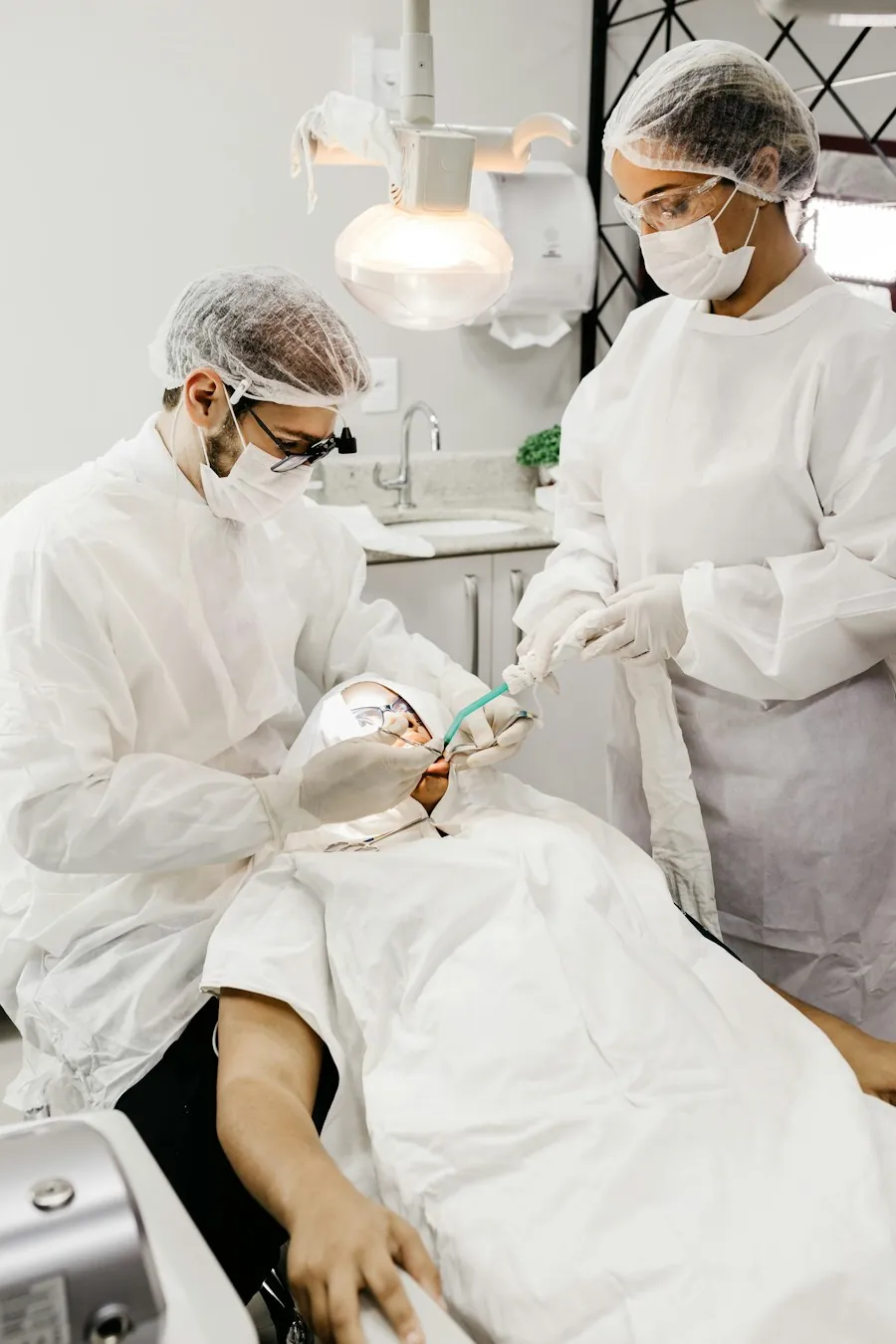
The right dentist may start with a conversation and an exam. This often includes a review of your health history and dental images, such as X-rays or a 3D scan, to look at the bone in the area. You can say up front if you feel nervous, and a good office will take that seriously.
The dentist may explain whether a graft appears helpful in your case, what the material options are, and how healing generally works. Some offices work with a specialist, and some offer sedation options. Sedation is only given by dentists permitted by their state dental board, so it is fine to ask about that.
Helpful questions include: Do I need a graft, and why? What material would be used? Who will do the procedure? What does recovery usually involve? What are the alternatives? Ask for a written treatment plan and estimate, since costs vary by practice, location and case.

The whole-person view
Your body, mind and stress all affect each other. Worry about dental work can raise tension in the jaw and body, and tension or poor sleep can make a procedure feel harder. Many people find that simply knowing what to expect helps them feel calmer.
If dental anxiety is a big part of your story, body-based support such as Somatic Experiences may help some people feel more settled. Talk therapy through Therapists.plus is another option for working through fear or past difficult experiences. These can sit alongside your dental care, and no one should feel shame about needing extra support.
Somatic Experiences: nervous system regulation →Therapists.plus: anxiety panic and ocd →
Keep in mind
- Tuung is educational only and is not dental or medical advice. Only a licensed dentist can examine you and say whether a bone graft is right for you.
- Costs, timelines and healing differ for everyone, so ask for a written treatment plan and estimate before you decide.
- Facial or neck swelling with fever, trouble breathing or swallowing, uncontrolled bleeding, or a serious face or jaw injury is a medical emergency. Call 911 or go to the ER.
- Bone graft materials and devices are regulated, for example by the FDA, so it is reasonable to ask your provider about what they use. If you are in distress, you can call or text 988.
Not sure where to start? Answer a few gentle questions and choose who you’d like to hear from.
Frequently asked questions
What is a bone graft for a dental implant?
A bone graft for a dental implant is a procedure that adds bone-building material to the jaw to help support an implant. It is used when there may not be enough bone to hold an implant steadily. A licensed dentist decides if it is appropriate after an exam and imaging.
Does everyone who gets a dental implant need a bone graft?
No, not everyone needs one. Some people have enough healthy bone already, while others may benefit from a graft first. Only an exam and imaging by a licensed dentist can show which applies to you.
Is a bone graft for a dental implant painful?
Experiences vary, and many offices aim to keep you comfortable during the procedure with numbing and sometimes sedation. Some soreness during healing is common, and your dentist can explain what to expect and how to manage it. If you have swelling with fever, trouble breathing or swallowing, or uncontrolled bleeding, call 911 or go to the ER.
What is bone graft material made from?
Graft material can come from your own body, a human donor, an animal source, or a synthetic material. Each type has different considerations. Ask your dentist which kind they would use and why, and ask about its regulatory status.
How long does it take to heal after a bone graft?
Healing time varies from person to person and depends on the type and size of the graft. Some people wait a period of time before an implant is placed, and some have both done together. Your dentist can give you a timeline based on your own case.
Who does a bone graft for a dental implant?
Bone grafts are done by licensed dentists, often oral and maxillofacial surgeons or periodontists, who are dental specialists with additional training. Some general dentists with extra training also place grafts and implants. It is fine to ask about a provider's experience and whether they are licensed by their state dental board.
Educational resource. Tuung shares general information and connects people with independent dentists. It is not medical advice, diagnosis or treatment. Talk with a licensed professional about your health.