What it is
Grinding or clenching your teeth (often called bruxism) is when the teeth press or rub together, often during sleep. Many people don't know they do it until a partner hears it, or a dentist notices wear on the teeth. A night guard is a custom or store-bought mouth cover worn to help protect teeth from that contact.
TMJ stands for temporomandibular joint, the hinge on each side of your jaw. People often say "TMJ" when they mean jaw joint or bite-related discomfort, such as clicking, soreness, tight muscles or headaches around the temples. Only a licensed dentist or physician can tell what is behind these symptoms after an exam.
Snoring can be harmless, but sometimes it goes along with sleep apnea, where breathing repeatedly pauses during sleep. Sleep apnea is diagnosed by a physician, often with a sleep study. Dentists can then provide oral appliances, which are mouthpieces that hold the jaw or tongue in a position that may help keep the airway open.
How it’s traditionally been approached
Grinding and clenching have traditionally been approached by looking at the teeth, jaw muscles and bite during an exam. Dentists have often used night guards to cushion and protect teeth. Some people also talk with providers about stress, sleep habits and daily routines that may play a role.
Jaw joint and bite concerns have been handled in many ways, from simple self-care and jaw rest to oral appliances, physical therapy and referrals to other providers. Which approach fits depends on the individual, and a licensed clinician decides after an evaluation. Some cases are referred to a dental specialist, such as an oral and maxillofacial surgeon.
For suspected sleep apnea, the usual path starts with a physician who evaluates symptoms and arranges testing. Treatment options are then discussed, and some people use a device that delivers air pressure while others use a dentist-made oral appliance. A physician and a trained dentist often work together. Oral appliances are regulated medical devices in the U.S., so they should be provided by a licensed dentist.
How the right dentist may help
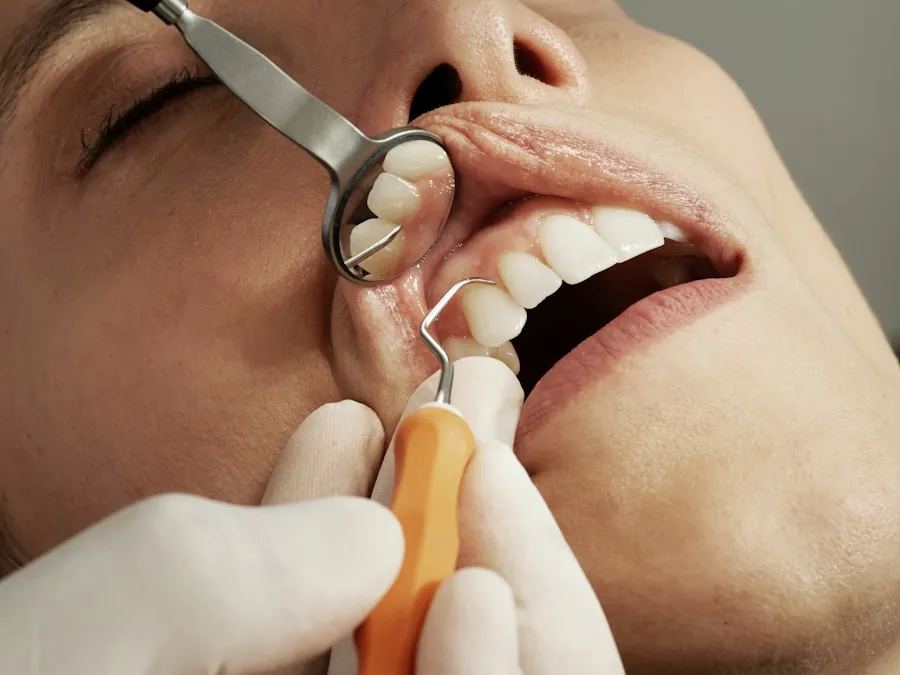
The right dentist may start by listening to your story: when symptoms happen, what you've noticed, and your health history. They may check your teeth for wear, feel the jaw muscles and joints, and look at how your bite comes together. X-rays or impressions and scans may be part of the visit if the dentist feels they're useful.
If sleep apnea is a possibility, a good dentist may suggest you talk with your physician about a sleep evaluation rather than guessing. If you already have a diagnosis, they can explain whether an oral appliance might be an option for you and how it would be fitted and followed up. They may also coordinate with your doctor.
Good questions to ask: What do you think may be causing my symptoms? What are my options, including simpler ones? What does a custom night guard offer compared with a store-bought one? Will you give me a written treatment plan and estimate? Costs vary by practice, location and case, and it's always fine to ask about them up front.

The whole-person view
Body, mind and stress are closely linked. Many people clench or grind more during stressful stretches, and poor sleep can make stress and jaw tension feel worse. Jaw discomfort, snoring and tiredness can also affect mood and focus, so it helps to look at the whole picture, not just the teeth.
Some people find it helpful to pair dental care with other support. Somatic Experiences offers body-based support that some people explore for holding tension, and Therapists.plus can connect you with talk therapy for stress and worry. These can complement, not replace, care from a licensed dentist or physician.
Somatic Experiences: nervous system regulation →Therapists.plus: sleep focus and habits →
Keep in mind
- Only a licensed dentist or physician can diagnose the cause of jaw pain, grinding or snoring, so please schedule an exam rather than self-diagnosing.
- Facial or neck swelling with fever, trouble breathing or swallowing, uncontrolled bleeding, or a serious face or jaw injury is a medical emergency. Call 911 or go to the ER.
- A knocked-out adult tooth needs a dentist right away. Severe pain, swelling or signs of infection should be seen promptly.
- Sleep apnea is diagnosed by a physician, and dentists provide oral appliances. If you feel overwhelmed or in crisis, call or text 988.
Dentists who often help
Get matched privatelyFrequently asked questions
What kind of dentist helps with night guards?
Most general dentists can evaluate grinding and make a custom night guard. Some dentists focus more on TMJ and bite concerns. A licensed dentist can examine your teeth and jaw and talk through options with you.
Can a dentist help with TMJ pain?
A dentist may be able to help by examining your jaw joints, muscles and bite and discussing options. Treatment depends on the individual and is decided after an evaluation. Some cases involve other providers, such as a physician or specialist.
Can a dentist treat sleep apnea?
Dentists don't diagnose sleep apnea, but they can provide oral appliances once a physician has diagnosed it. A trained dentist can explain whether an appliance might be an option and coordinate with your doctor. Ask your provider how the device is regulated and monitored.
Is a custom night guard better than one from the store?
Custom and store-bought night guards are both options people use, and they differ in fit, feel and how they're made. A dentist can examine your teeth first and explain which may suit you. Costs vary by practice, location and case, so ask for a written estimate.
Does snoring mean I have sleep apnea?
Not necessarily, since many people snore without having sleep apnea. Only a physician can diagnose it, usually after an evaluation or sleep study. If you snore loudly, feel very tired or have pauses in breathing, it's worth talking with your doctor.
How do I find a dentist for grinding or jaw pain near me?
Start by browsing the dentists listed on Tuung and look for ones who mention TMJ and bite problems or sleep apnea oral appliances. Confirm they're licensed by your state dental board and ask what to expect at a first visit. Many offices are happy to answer questions before you book.
Educational resource. Tuung shares general information and connects people with independent dentists. It is not medical advice, diagnosis or treatment. Talk with a licensed professional about your health.